



SALT LAKE CITY — In 2024, the Utah Department of Public Safety produced a sort-of census on gangs.
The presentation to the Utah Legislature estimated Utah had 4,500 gang members. That’s about 12 out of every 10,000 Utahns.
Chad Soffe, a retired Utah police officer who now works for the private Panther Security and Investigations, said shootings involving these gang members can be difficult to investigate “because gangs are adaptive.”
Exchange of gunfire occurred during Salt Lake City church shooting that killed 2
“They're decentralized, and they operate partly in ways to evade law enforcement,” he added in an interview.
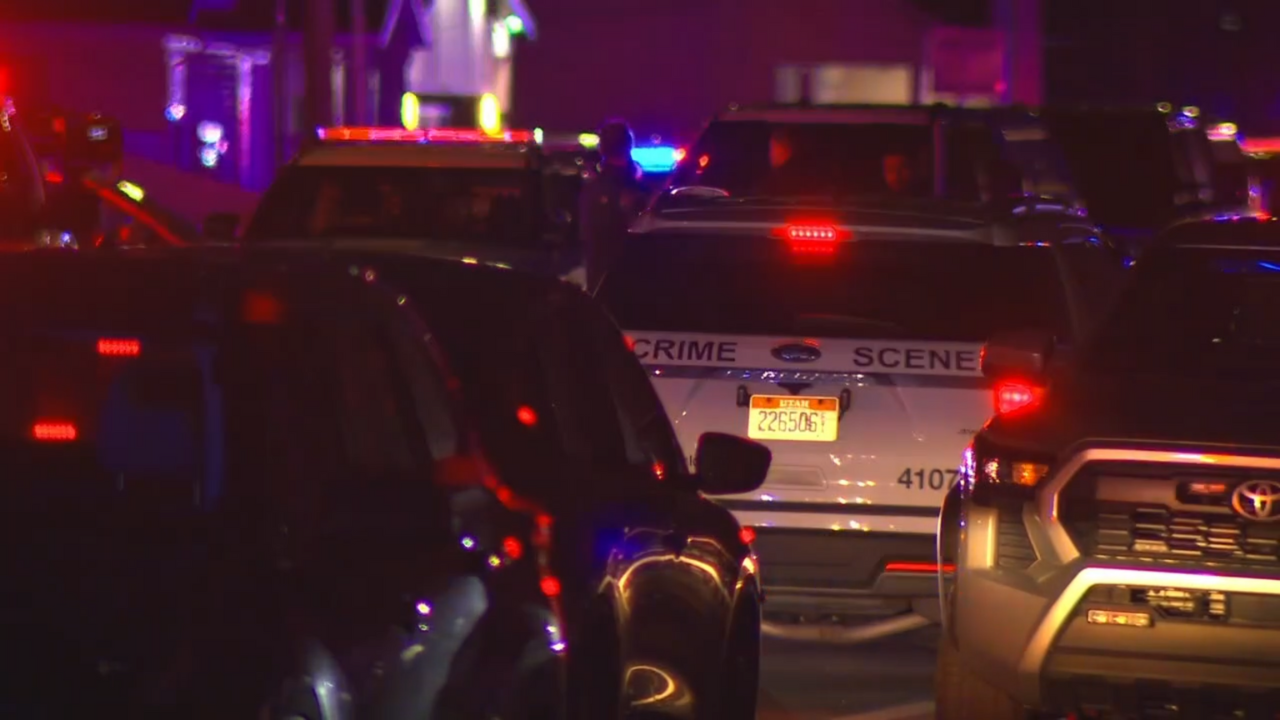
Salt Lake City police are still trying to find whoever fired shots Wednesday night outside a Church of Jesus Christ of Latter-day Saints meeting house at 660 N. Redwood Road. A crowd was there for a memorial service.
Two people died. Six were injured.
Salt Lake City Police Chief Brian Redd said in a news conference Thursday that the gang unit had been deployed to the scene because there were indications those at the meeting house were “potentially involved in gang activity.”
“We don’t know the cause of the violence,” he added. “That’s what we’re investigating. So, we’re cautious to say this is a gang-related shooting.”
He added that witnesses have not been cooperative.
One of those killed was Sione Vatuvei. He was once a member of the Tongan Crips, according to federal prosecutors who sent him to prison for a 2009 robbery. Vatuvei had since become a social media influencer who encouraged others to stay away from gangs and addiction.
That 2024 report on gangs listed Crips among the four biggest gangs in Utah, along with Bloods, Sureños and Norteños. A quarter of Utah’s prison inmates were gang members, the report said.
“Oftentimes, gang members and their victims live in the same neighborhood,” said Kent Cravens, a former gang detective for Sandy police and later an investigator for the Salt Lake County District Attorney, “and it's that the possibility of retribution that they that they fear the most.”
Police, too, can be reluctant to discuss gangs.
“When we talked to the news media,” Cravens said, “we tried to avoid giving unnecessary publicity to those gangs.
“They like to get their names publicized.”
Salt Lake City police haven’t said what they are doing to overcome the lack of cooperating witnesses and video, but previous investigations show what modern tools they may have.
Cell tower data may reveal who was in the vicinity of the shooting. Also, Salt Lake City has a system of license plate readers. Those readers last year helped the FBI identify a defendant suspected of planting an explosive device underneath a vehicle.