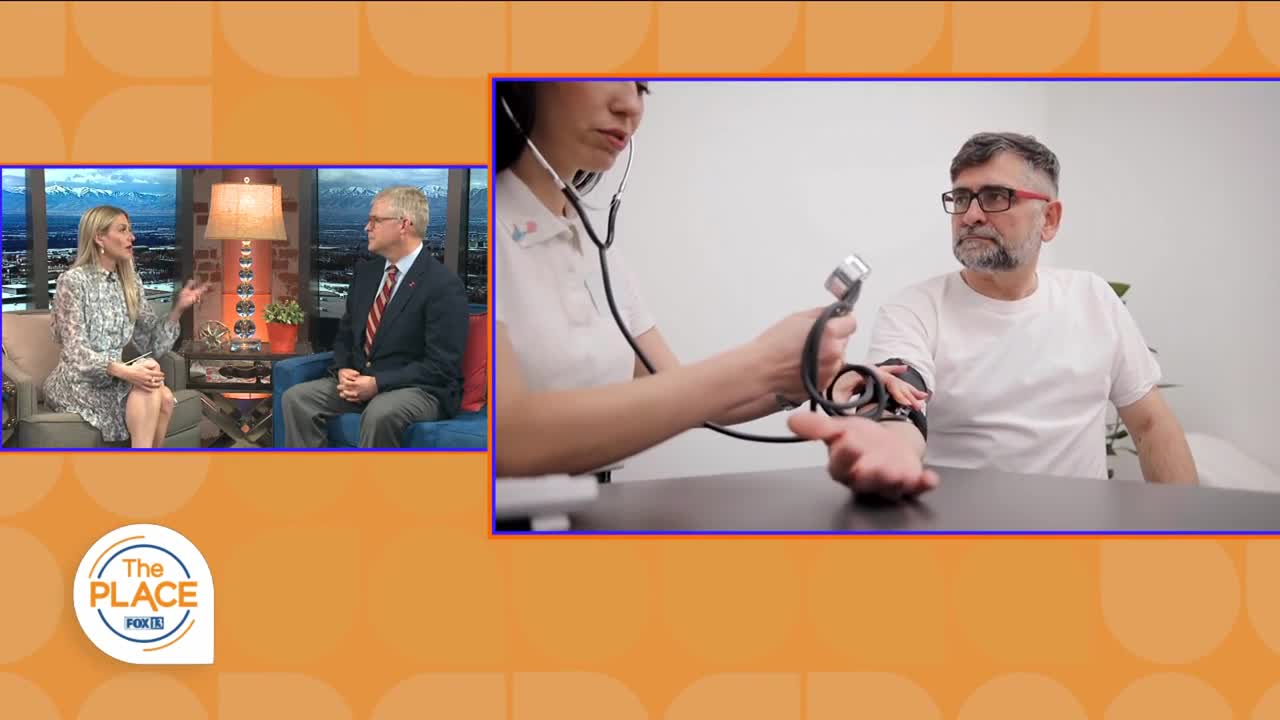

With cardiovascular disease remaining the leading cause of death nationwide, Intermountain Health is reinforcing its commitment to heart health through innovative treatment protocols and community education.
According to 2025 data from the American Heart Association, approximately 805,000 people in the United States suffer a heart attack each year – meaning someone experiences a cardiac event about every 40 seconds.
Of these cases, roughly 605,000 are first-time heart attacks, while 200,000 occur in individuals who have previously suffered one.
Intermountain Health heart experts emphasize that understanding symptoms and accessing rapid, specialized care are the most critical factors in survival and recovery.
Recognizing the Signs: Every Second Counts
"Time is muscle," said Stephen McKellar, MD, an Intermountain Health cardiologist and chair of the department of cardiology at Intermountain Medical Center in Murray. "The faster we can restore blood flow to the heart; the less permanent damage occurs. This starts with the patient recognizing that something is wrong."
Common symptoms of heart attack include:
Chest Discomfort: Pressure, squeezing, fullness, or pain in the center of the chest that lasts more than a few minutes.
Upper Body Pain: Discomfort in one or both arms, the back, neck, jaw, or stomach.
Shortness of Breath: Often occurring with or before chest discomfort.
Other Signs: Breaking out in a cold sweat, nausea, lightheadedness, or an overwhelming sense of anxiety.
Symptoms of a heart attack can present differently in women, Intermountain experts say.
"While it can vary from person to person, women are more likely than men to experience 'atypical' symptoms, such as extreme fatigue, indigestion, or pain localized in the back or jaw rather than the chest," said Dr. McKellar.
That's why getting immediate care at the first sign of symptoms is vital, said Dr. McKellar.
Reducing Your Risk
While some risk factors like age and family history cannot be changed, Intermountain Health encourages the community to focus on "The Simple Five" to reduce heart attack risk:
Move More: Aim for 150 minutes of moderate activity per week.
Eat Real Food: Prioritize a plant- and fish-based diet high in fiber (aiming for 25–30g daily).
Manage Stress: Utilize mindfulness, nature, and adequate sleep to lower blood pressure.
Quit Tobacco: Eliminating smoking and vaping is the single most impactful change for heart health.
Know Your Numbers: Regularly monitor blood pressure, cholesterol, and blood sugar with a primary care provider.
What to Do in an Emergency
If you or someone you are with is experiencing heart attack symptoms:
Call 911 immediately. Do not attempt to drive yourself or a loved one to the hospital.
Innovative Heart Care When You Need it
Intermountain Health provides comprehensive, rapid, and patient-centered heart attack care. This includes nationally recognized hospitals with high survival rates, established treatment protocols with dedicated teams for quick response, advanced interventions across cardiology, surgery, heart failure, and robust cardiac rehabilitation to support recovery.
For more information on Intermountain Health's cardiovascular services or to find a specialist, visit intermountainhealthcare.org/services/heart-vascular-care.