
With the Winter Games about to begin, we'll all be watching incredible athletic performances and some pretty brutal falls.
But it's not just high-speed and intense competition that can get people hurt. Even activities like shoveling snow can aggravate an underlying spine condition.
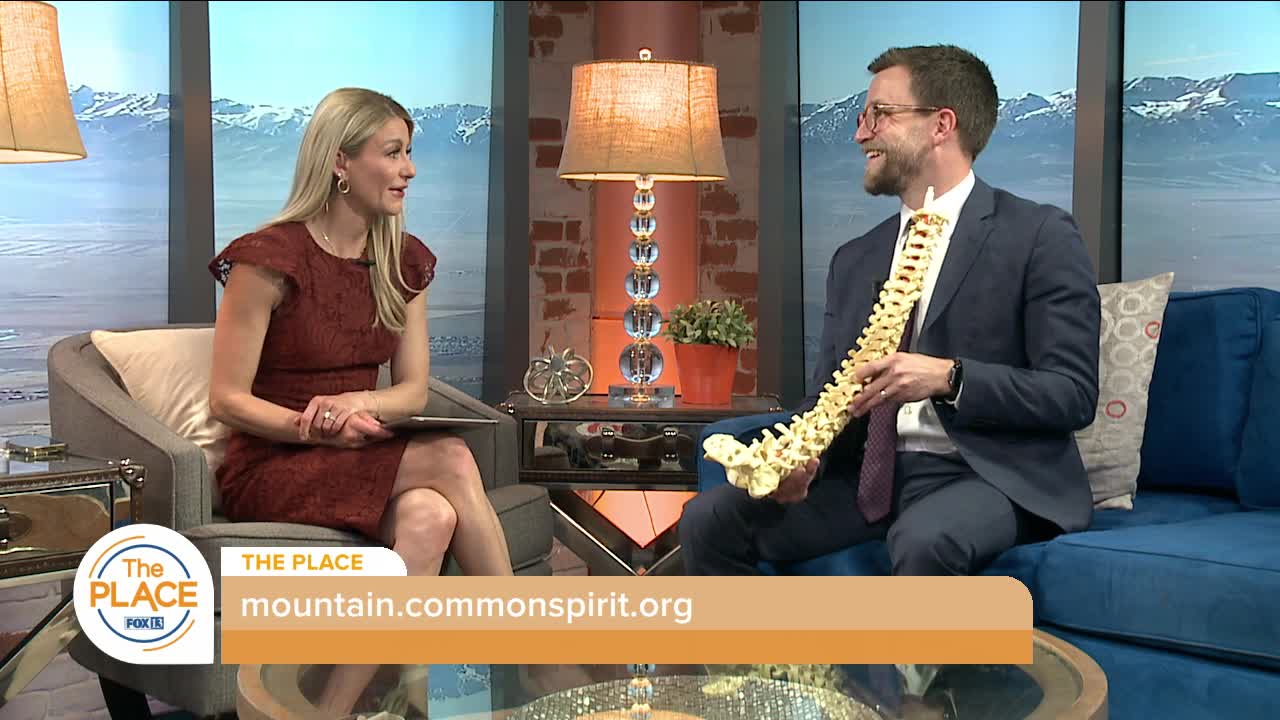
We talked with Dr. Matthew Philippi, an Orthopedic Spine Surgeon with CommonSpirit Health about the kind of spine injuries he's seeing related to winter sports.
He says winter sports place a tremendous amount of force on the spine. He says common injuries include muscle strains, disc herniations and compression fractures.
Dr. Philippi says, "As a former professional skier, I've experienced injuries and surgery myself, so I understand both the physical and mental side of recovery. When spine injuries aren't properly evaluated or treated, they can absolutely lead to chronic back or neck pain, nerve symptoms, and long-term limitations."
He explains that most spine pain does not require surgery and his goal is to avoid it whenever possible.
Many patients improve with physical therapy, medications, activity modifications or injections.
He says, "Surgery becomes a consideration when those treatments aren't helping and we can clearly identify a structural problem — such as nerve compression or spinal instability — that explains a patient's symptoms. It's always a thoughtful, shared decision focused on improving quality of life and function."
Some of the most common conditions that are treated surgically include disc herniations in both the neck and low back, as well as spinal stenosis, which can cause back pain, leg pain or even weakness.
In the right situation, surgery can relieve pressure on the nerves, restore stability and alignment, and significantly reduce pain — often helping people return to activities they've been missing.
But spine surgery is very individualized. Dr. Philippi says many procedures can be done using minimally invasive techniques, which involve smaller incisions, less muscle disruption and often a quicker recovery.
Recovery is a critical part of the success of a surgery. While timelines vary, patients are encouraged to start moving early and progress through a structured rehabilitation plan.
Physical therapy is essential — it helps restore strength, mobility, and confidence.
Doctors work closely with therapists and patients to create a plan that supports healing and helps people get back to living actively and safely.
Dr. Philippi performss surgery at Holy Cross Hospital in Jordan Valley and in Davis County.
You can learn more by visiting mountain.commonspirit.org.