



SALT LAKE CITY — For decades, cloud seeding has been part of Utah’s strategy to stretch its water supply. This winter, scientists are taking a much closer look at whether the practice actually delivers measurable results.
Cloud seeding involves pumping silver iodide into the atmosphere during a storm to generate a little more precipitation.
Researchers from the University of Utah and Utah State University are leading the largest cloud seeding research effort ever conducted in the state, focusing on winter storms over the northern Wasatch Mountains. The goal is to better understand how cloud seeding affects snowfall and spring runoff.
“We’re trying to understand winter storms in the northern Wasatch and the impacts of cloud seeding on those storms,” said Jim Steenburgh, a professor of atmospheric sciences at the University of Utah, “and whether or not it’s having a major impact on both snowfall and runoff.”
The scope of the project is unprecedented for Utah. Scientists say it is the biggest field campaign to study mountain precipitation in the state in at least two decades, and possibly the largest ever.
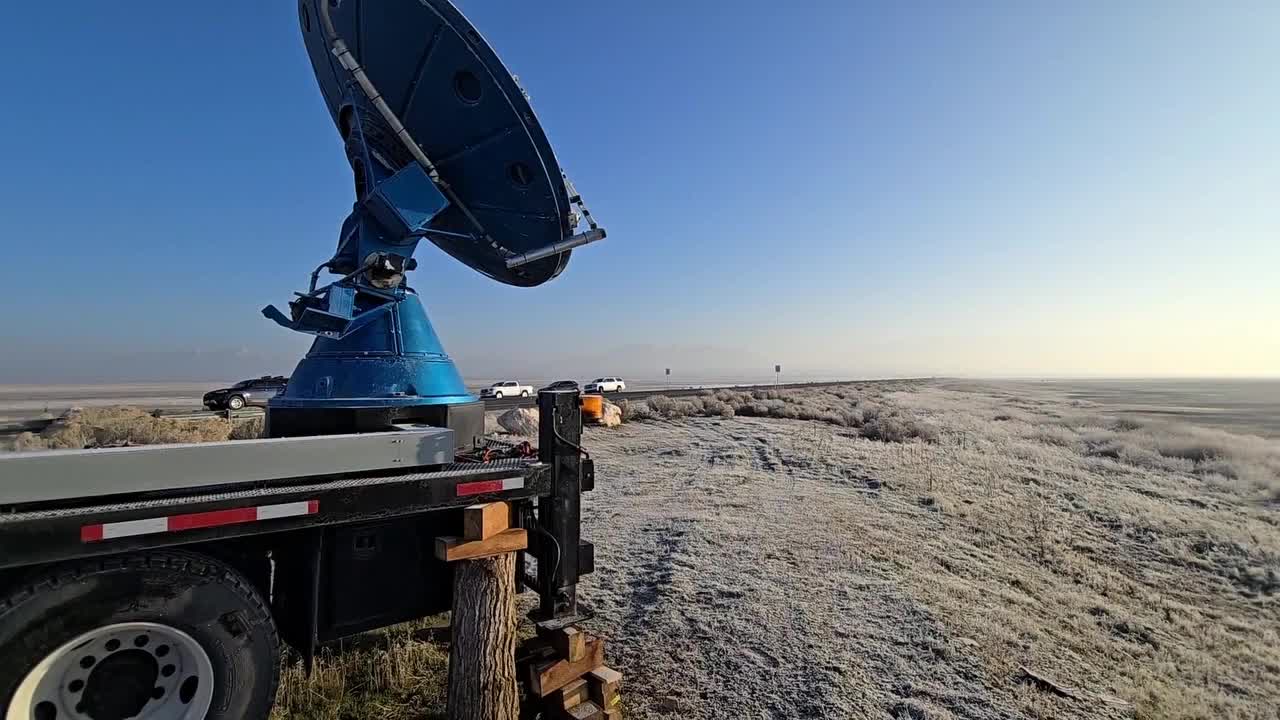
Dozens of specialized instruments are operating around the clock across the northern Wasatch. Many are far more advanced than typical weather sensors and are designed to analyze the internal structure of winter storms. Some systems use laser-based technology to examine cloud properties, including liquid water content and storm evolution.
WATCH: Utah now runs the world's largest remote-controlled cloud seeding program
“These instruments are very different from typical weather instruments,” Steenburgh said. “They’re designed to tell us about the properties and characteristics of clouds.”
During seeded storms, researchers are closely examining radar data and precipitation patterns to determine whether cloud seeding changes storm structure or increases snowfall totals.
The study follows a major expansion of Utah’s cloud seeding program after the Great Salt Lake reached its lowest level on record in 2022. State leaders increased funding for cloud seeding, research, and infrastructure as part of a broader response to long-term water shortages.
“The goal here is to increase the winter snowpack, which we know is our water supply during spring runoff,” said Jonathan Jennings, a meteorologist with the Utah Division of Water Resources.
Jennings said long-term evaluations of cloud seeding programs suggest precipitation increases of about six to twelve percent. While the gains may appear small, he said they can add up over time.
“Over the course of a decade, that’s an additional half year to a year of snowpack,” Jennings said.
Researchers are also testing new drone technology that could allow for more precise cloud seeding by flying directly into specific areas of winter storms.
Data collection will continue through spring runoff, and scientists say the findings could have benefits beyond cloud seeding. The research may improve mountain weather forecasting and snowfall predictions, including for future major events like the 2034 Winter Olympics.
Scientists expect at least two years of analysis before making final conclusions. Early findings, however, could help guide Utah’s water management decisions for years to come.