

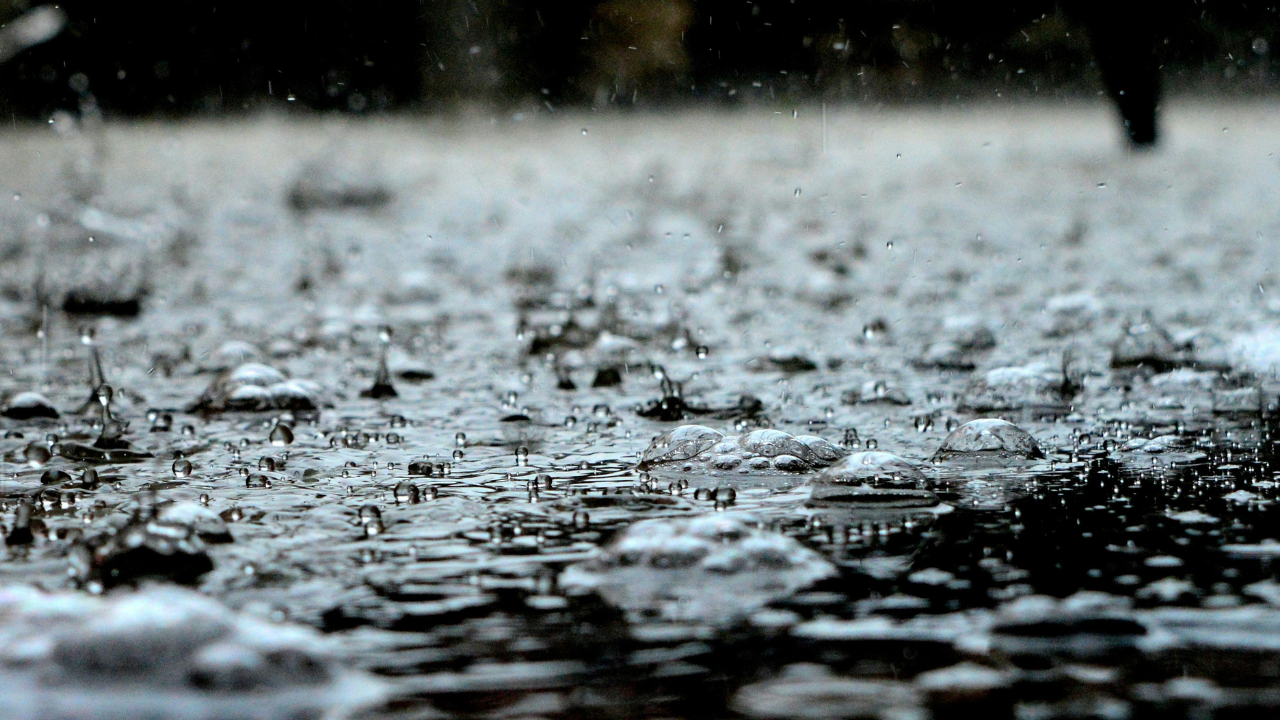


SALT LAKE CITY — Record warm temperatures and rain falling in the valleys instead of snow have helped the rain gauges across much of the state. Lawns are green, and for January, some of us are talking about mowing instead of shoveling.
But when you look up in the mountains, the story changes fast as snowpack numbers are still well below average — and experts say all that rain falling right now may actually be setting us up for water problems later this year.
Much of Utah has picked up a healthy amount of precipitation this water-year, but much of it has fallen as rain instead of snow. While that helps the numbers on paper, it’s not the kind of water the state relies on heading into spring and summer.
“The last storm cycle was actually really good. We went from 55 to 75 percent over the last week, so it has improved quite a bit just from one storm cycle, which shows the sensitivity of our seasonal averages to individual events,” explained Jon Meyer, Utah Assistant State Climatologist.
The jump is encouraging, but Meyer says how precipitation falls matters just as much as how much.
“...We are fairly concerned about ... for drought impacts next year, water availability, reservoir levels — because a gallon of rainwater delivered in the middle of winter is not the same as a gallon of water in the snowpack that melts in April and May,” he said.
Snow acts like a natural reservoir, releasing water slowly as temperatures warm. On the other hand, rain runs off quickly or soaks in before it can be stored.
“Our mid-elevation snowpack, even in those same areas, is poor, and then you get into central Utah and the snowpack is almost nonexistent. It’s terrible,” shared Jordan Clayton with Utah Snow Survey.
Recent storms haven’t helped much, bringing rain across elevations that would normally be building snowpack.
“So it feels like we are getting precipitation. The rain gauges are great. Our grass is green. We’re not shoveling, we’re looking at mowing instead. But from a water resource point of view, our spring and summer is looking quite pinched based on where we currently stand,” admitted Meyer.
Utah has seen worse years up to this point in the past, so there is still time for improvement, but experts say the longer rain replaces snow, the harder it becomes to recover.