The earliest appearances of Betty Boop, Nancy Drew, and Mickey Mouse's dog Pluto are among the works entering the public domain on January 1, 2026.
According to the Center for the Study of the Public Domain at the Duke University School of Law, works first published in 1930, as well as sound recordings from 1925, will be open for anyone to use without restriction under U.S. copyright law.

Among the works entering the public domain are the first appearances of Betty Boop, who made her debut on August 9, 1930 in the Fleischer Studios cartoon "Dizzy Dishes," where she appears as a supporting character, drawn as an anthropomorphic French poodle.
Another canine entering the public domain is the first appearance of Mickey Mouse's dog Pluto, who appeared under the name Rover in two 1930 Disney animated shorts, "Chain Gang" and "The Picnic." Seven other animated Mickey Mouse shorts, ten "Silly Symphonies" shorts, as well as the first three installments of the daily Mickey Mouse newspaper strips are also entering the public domain.
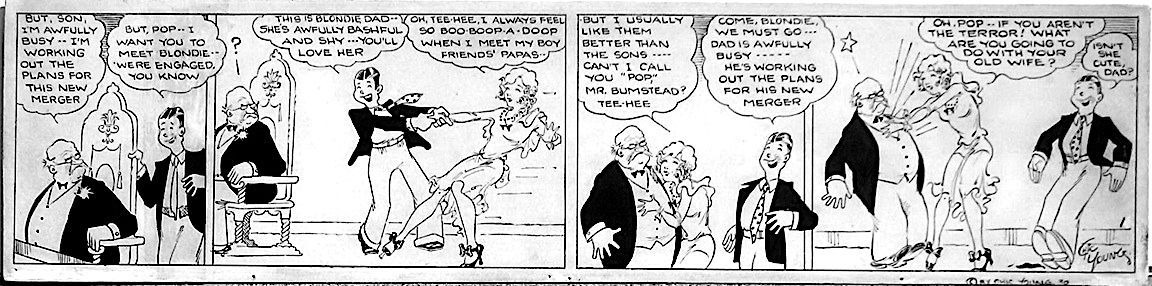
Another comic strip entering the public domain are the earliest installments of "Blondie" drawn by Chic Young, which first began serialization September 8, 1930. The strip introduced the characters of Blondie and Dagwood to American pop culture.
Much like characters "Popeye" and "Tintin," later iterations of Blondie and Dagwood still remain under copyright, as the strip continues to run to this day, now under Chic' son Dean Wayne Young.
Turning to the world of literature, a number of classic books are also entering the public domain, including William Faulker's "As I Lay Dying," and Dashiell Hammett's "The Maltese Falcon."

Additionally, the first four Nancy Drew novels, as originally written by Mildred Benson under the pseudonym Carolyn Keene, are also entering the public domain. It's worth noting that these earlier stories were later revised and re-released in 1959, often changing plot details while retaining the same titles.
Another classic sleuth entering the public domain is Miss Marple, who was first introduced in the Agatha Christie novel "The Murder at the Vicarage." Marple joins Christie's other famous detective, Hercule Poirot, who is featured in the stage play "Black Coffee," which is also entering the public domain as of 2026.
SEE ALSO: Sherlock Holmes now fully in public domain
In the world of cinema, a number of influential films are entering the public domain, including the 1930 sound adaptation of "All Quiet on the Western Front," and the Marx Brothers' film "Animal Crackers," which saw its title song enter the public domain in 2024 alongside Steamboat Willie.
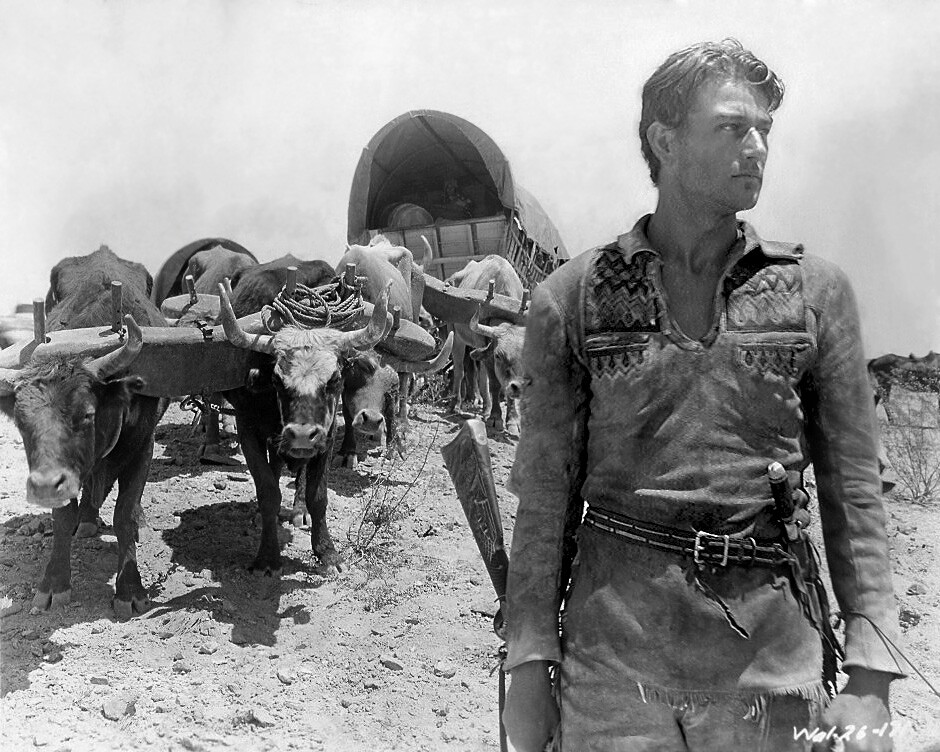
Other notable films include "The Big Trail," which was the first leading role for John Wayne, and "Soup to Nuts," which marked the feature film debut of Moe Howard, Shemp Howard, and Larry Fine, who would go on to appear as "The Three Stooges" after officially cutting ties with Ted Healy in 1934.
However, Shemp Howard would not appear in the short films alongside Moe and Larry until 1947, after brother Jerome Howard, better known as Curly, was forced to leave the due to medical complications.
For music, a number of compositions entering the public domain include the sheet music for "I Got Rhythm" and "But Not For Me" by Ira and George Gershwin. Another noteworthy composition is "Beyond the Blue Horizon" by Leo Robin, Richard A. Whiting, and W. Franke Harling, which has been cited as inspiration for the iconic opening theme of "Star Trek."
As for music recordings, which typically don't open enter the public domain until after a 100 year-term, notable examples entering the public domain include Marian Anderson's 1925 rendition of "Nobody Knows the Trouble I've Seen" and Louis Armstrong's rendition of "If I Lose, Let me Lose (Mama Don't Mind)."
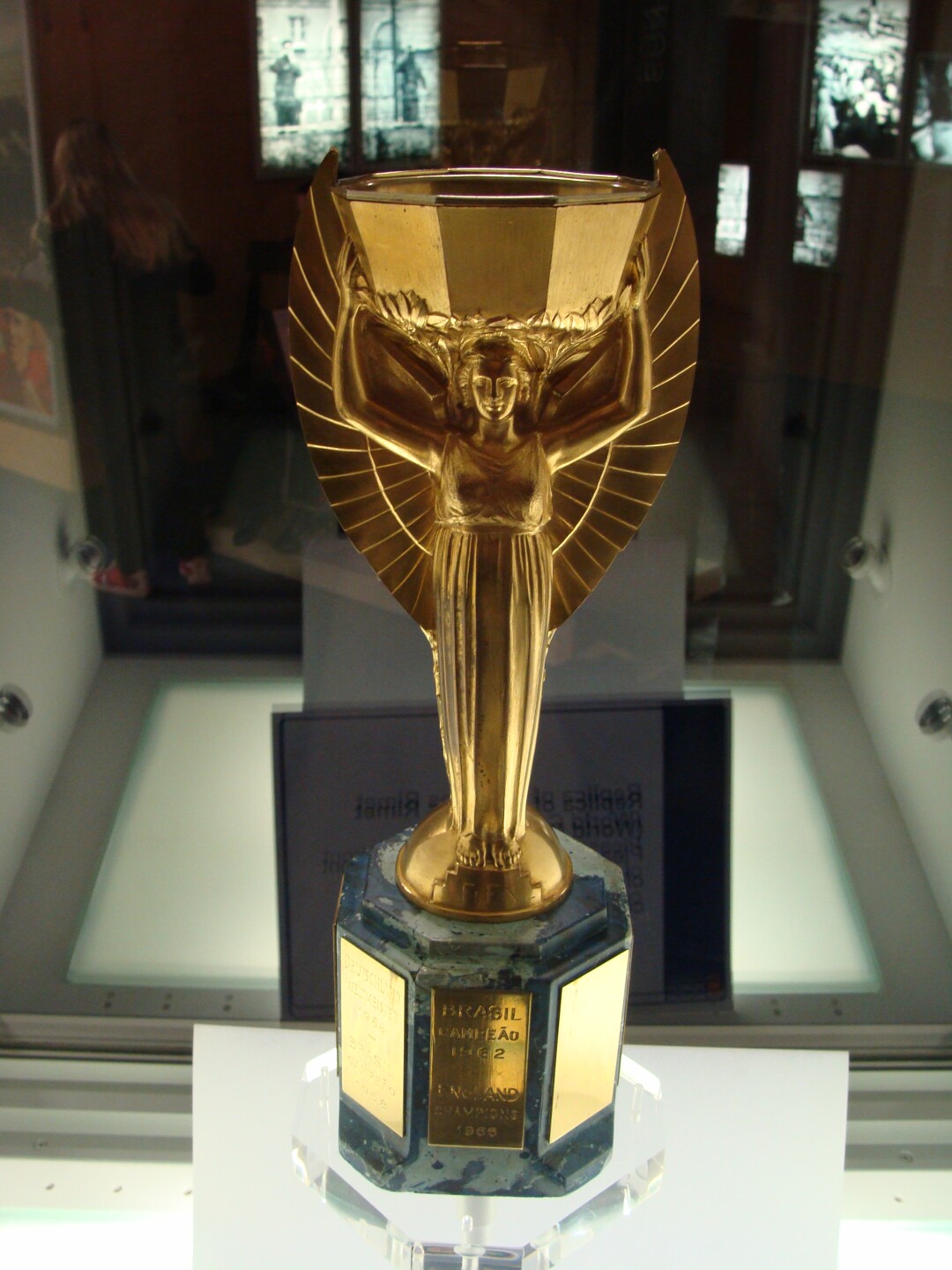
Even artworks published or registered in 1930 are also entering the public domain. This include's Abel Lafleur's "Jules Rimet Cup," which was the original trophy of the FIFA World Cup.