



SALT LAKE CITY — Talk to the insurance experts who know best, and they’ll tell you most Americans don’t understand their health insurance — but it’s not their fault.
The language is confusing, and confusion can lead to very expensive mistakes.
Someone who knows all about that is Jami Munk Carter. After a cancer diagnosis more than 20 years ago, the librarian and avid reader didn’t think she’d live to see her 30th birthday, but she did... only to find out two years later that she had multiple sclerosis (MS).
As someone who has had to navigate the health insurance globe to weigh her options from treatments to medications, she’s had to trot around some complicated information.
“After about the hundredth call that you make when you have a chronic disease, those folks are reading what they are able to do for you. It does not matter what they want to do for you,” Carter said. “My attention shifted from my insurance proactively helping me, to me asking hard questions, to me understanding the questions that I was asking and being able to explain what I needed and why.”
“We use a lot of terms that are really confusing,” said insurance broker Rebecca Yates.
That’s why if you need help deciding what you should ask, people like Yates are around.
She says it’s good to start with the basics.
“The deductible: that’s the amount that comes first. When you pay that, just like in your auto insurance, you pay that amount and the insurance comes in and covers the next part,” said Yates. “A copay is a fixed amount, so if you go to a doctor and you pay $25, that’s your copay; that amount can come before your deductible sometimes, depending on your plan. The out-of-pocket maximum is the most you pay in one calendar year. If everything goes terribly wrong, it’s kind of your backstop.”
But what about things that are not-so-common knowledge?
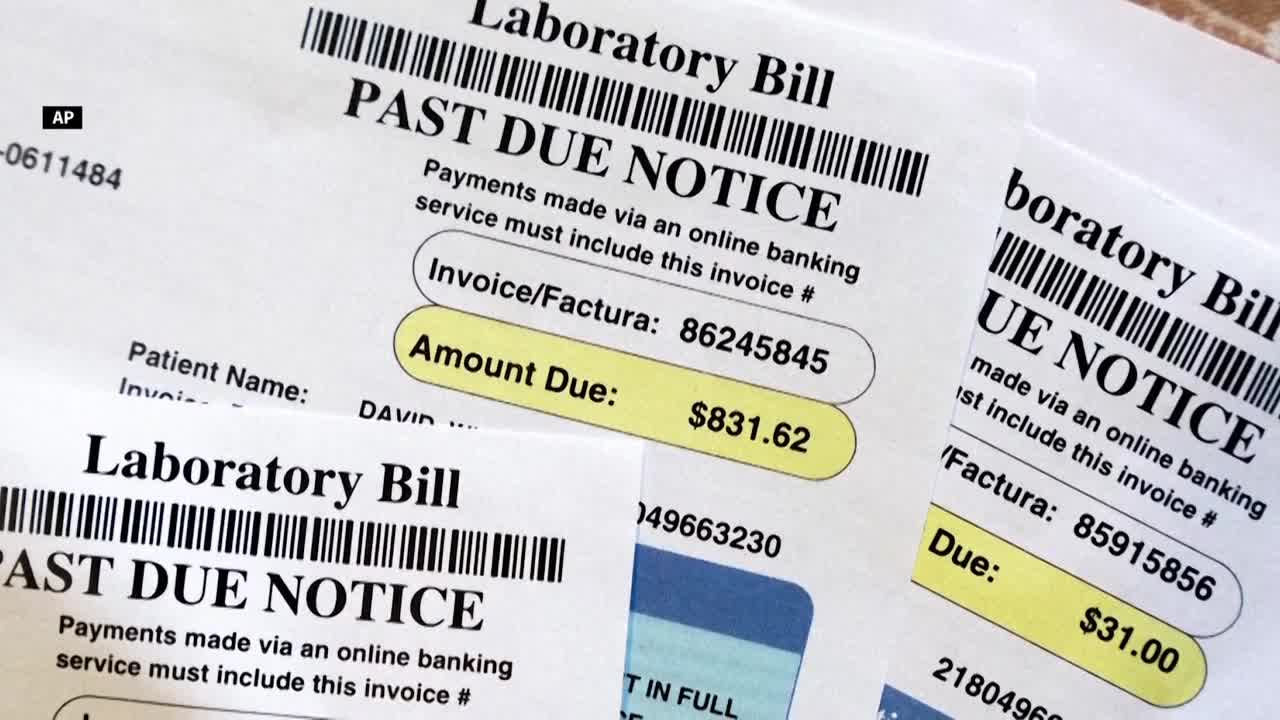
“You’ll have someone say, ‘Hey, I got this bill and it doesn’t make any sense.’ And the first thing that’s going to come out of somebody’s mouth, whether it’s the insurance carrier or somebody else is, ‘Have you checked your EOB?’ And I guarantee you, the consumer’s eyeballs are going to go, ‘Huh?’" said Yates. “Your explanation of benefits [EOB] is a document that you get sent every time the insurance company receives a claim, and it will walk through how that claim was paid or how that claim was denied. In the past, denials didn’t have a document like that, but this legislative session just had it passed. SB 319 just came out, and they have to give you denials that will break everything down.”
In the end, your health insurance shouldn’t feel like a foreign language. So, if you don’t understand, ask.
“I work in libraries, a place where you can come in and ask what you wouldn’t maybe think of that. You feel like you need to know the question to ask, but really what you can do is refine your question,” Carter said. "What is it that you want, and then you work backwards.”
Yates says you don’t have to understand everything, but you do need to understand the basics.
She created a cheat sheet with what you need to know about insurance that may save you some money. You can find it HERE.