

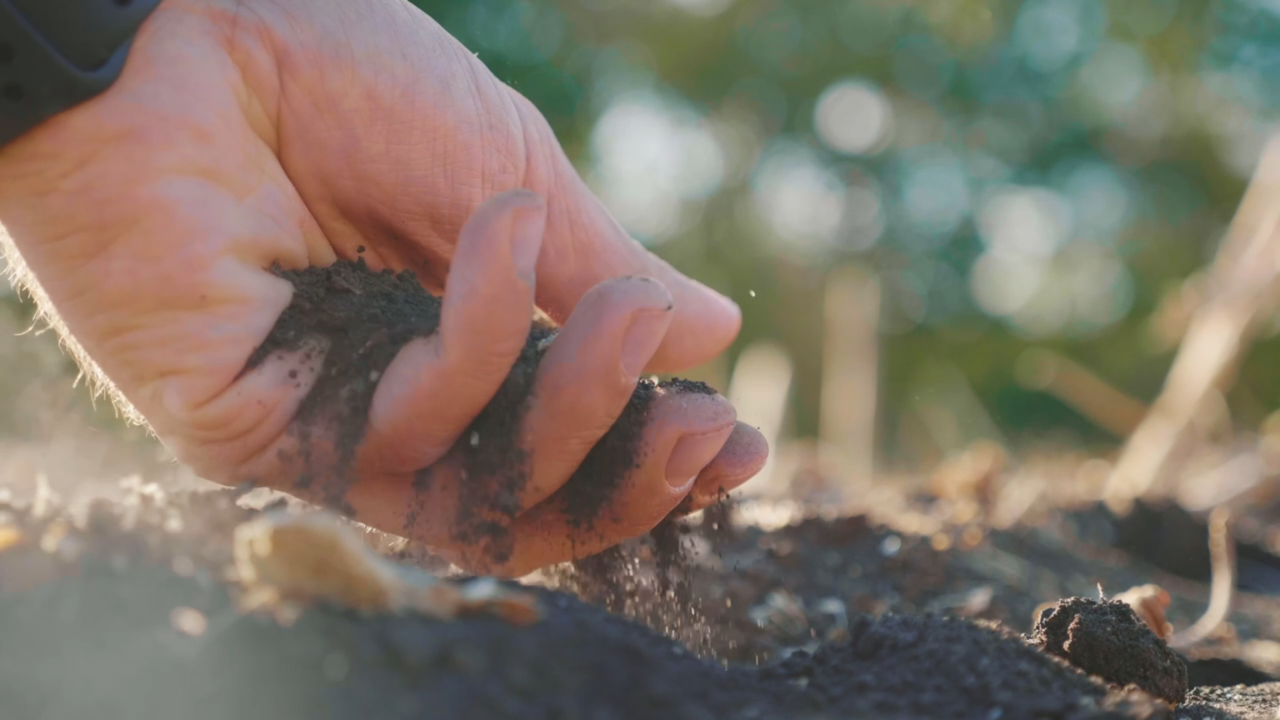


SALT LAKE CITY — Utah farmers and ranchers are confronting what state officials are calling an unprecedented drought, with water supplies dramatically reduced and agricultural producers from Orangeville to Tremonton forced to make difficult decisions about their land, their crops, and their futures.
Lee Moss, a farmer from Orangeville in Emery County, is among those feeling the pressure most acutely.
"We're down to 38% of an acre foot per share, which is way down," Moss said.
Moss said the shortage is already forcing him to rethink basic farming practices he has relied on for years.
"Typically I irrigate all my crops at least 2 times. I don't know if I'll be able to do that this year," Moss said.
For Moss, the stakes go beyond finances. His farm is tied to his identity and his family.
"This is where my kids come home to. There is no selling out, this is me," Moss said.
"You can't walk away, it's my daughter," Moss said.
Utah Commissioner of Agriculture and Food Kelly Pehrson has been touring the state, leading drought workshops through his department's experts. He did not mince words when addressing farmers and ranchers directly.
"I know the drought is more than a headline to you guys. It's financial disaster," Pehrson said.
When asked whether he had seen conditions this severe before, Pehrson's answer was unequivocal.
"Have I ever seen it this bad? No," Pehrson said.
At a workshop in Tremonton, farmers and ranchers received briefings on soil moisture and soil temperatures, on the economics of cattle, on the ongoing demand at food pantries in Box Elder County, and on where money might be available, though requests outpace resources this year.
Underscoring the uniquely difficult year, soil moisture was strong at the beginning of winter, but the lack of snow isn't the only reason that has changed. This springs unprecedentedly early high temperatures are also causing the soil to dry quickly, "We're 100-plus ... a hundred percent above normal across the state," one presenter said.
Among those in the room in Tremonton were growers who last year contributed enough protein to supply 660 Box Elder County families through local food pantries. That need has grown — now exceeding 760 families this year.
Joel Ferry, who runs the Utah Department of Natural Resources, described how agriculture absorbs drought's impact before it reaches the broader public.
"Agriculture, you can say, hey, you're only gonna get 50%. OK, we're gonna deal with that. You're gonna get 25%, OK, we're gonna deal with that. It's hard, but they deal with it and they make do," Ferry said.
Despite the hardship, a sense of resilience and community persisted throughout the workshops, which drew hundreds of farmers from Cedar City to Green River, Richfield, Vernal, and Tremonton.
"We will look out for each other and we will get through this," Moss said.
That spirit was perhaps best captured in a line that drew knowing laughs from the crowd.
"There's been two good years in farming and ranching, 1974 and next year," Moss said.
My colleague Julia Sandor met and interviewed Lee Moss on his ranch for this story.