

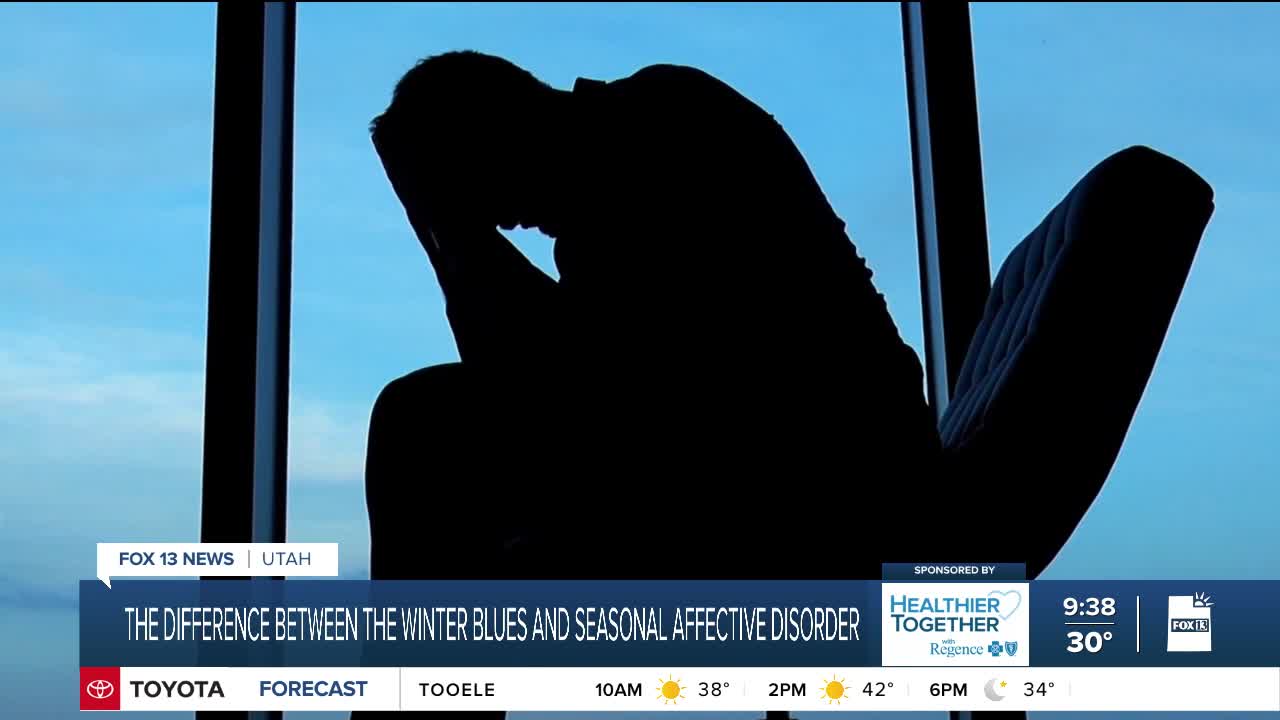


After the rush of Thanksgiving, Christmas and New Year’s, January can feel quiet, gray and hard to get through. If you’ve been feeling a little off, you’re not alone.
Dr. Mike Franz, executive medical director for behavioral health at Regence BlueCross BlueShield, says many people experience what’s often called the “winter blues” or a post-holiday letdown.
“Roughly 60% of people feel some kind of emotional drop after the holidays,” Franz said. “That’s common. But it’s important to understand when what you’re feeling might be something more.”
Winter blues vs. seasonal depression
The winter blues are usually temporary and tied to the change in routine after the holidays. Seasonal affective disorder, or SAD, is different—it’s a form of depression triggered by seasonal changes and can include ongoing sadness, low energy, little interest in daily activities, increased sleep and changes in appetite or weight.
If symptoms feel intense or don’t go away, Franz says it’s important to talk with a provider.
Common signs of the post-holiday blues
People often report feeling anxious, unmotivated, irritable, down, unable to sleep or worried about finances after the holidays.
“These reactions are common after such a busy and emotional season,” Franz said. “The good news is there are simple things you can do to start feeling better.”
What can help
Franz recommends focusing on a few key habits:
- Stay active. Exercise boosts mood-lifting chemicals in the brain and can ease symptoms of depression.
- Check your vitamin D. Less sunlight in winter can affect mood. A provider can help determine if supplements are right for you.
- Limit alcohol. Alcohol is a depressant and can worsen low mood.
- Give back. Volunteering and helping others can improve emotional well-being.
He also suggests spending time outdoors, eating well and putting something positive on the calendar—like time with friends or a fun outing—to give yourself something to look forward to.
When to reach out
“Be kind to yourself and be patient,” Franz said. “Feeling better is a gradual process. And don’t hesitate to talk with your provider—they can offer guidance and next steps to support your mental health.”