


Don't let your most costly holiday purchase be something you didn't actually buy!
Scammers are increasingly targeting people by claiming their financial accounts have been used inappropriately, especially during the holidays when you're probably spending more money anyway.
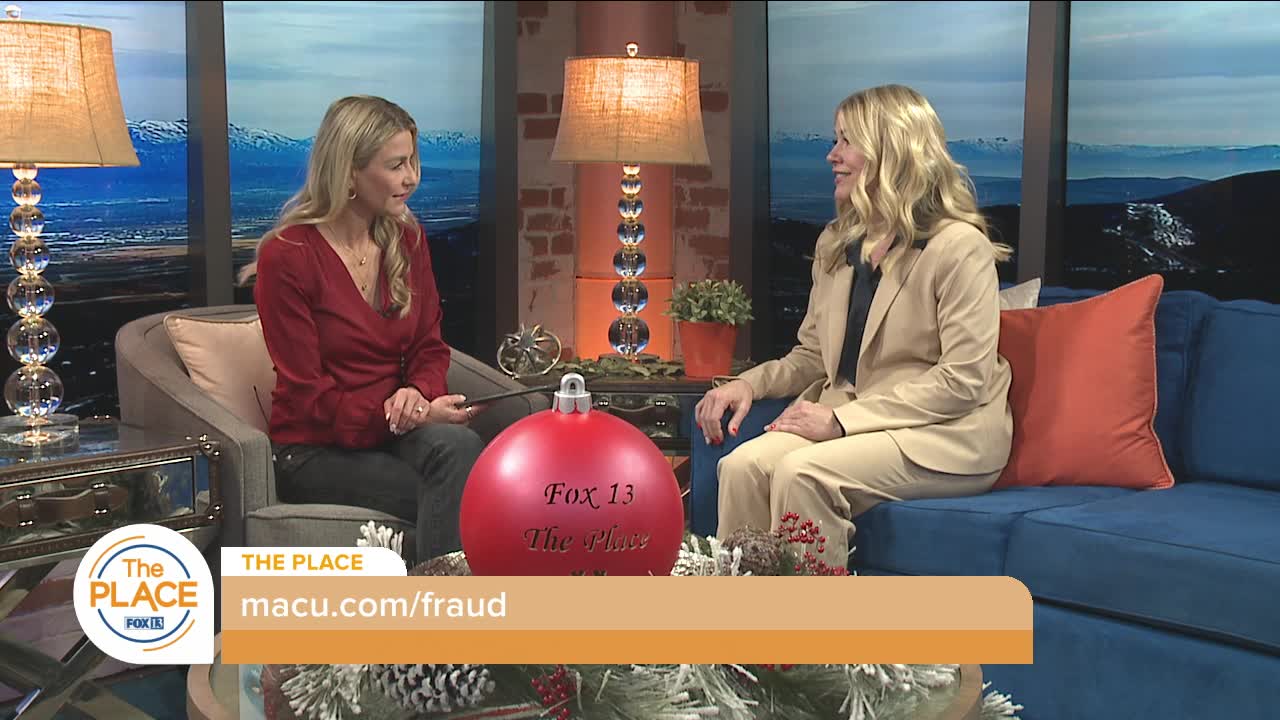
Rachelle Brady, Director of Fraud and Alerting Operations with Mountain America Credit Union, joined us with some important information.
She says as with many common scams, the victims are told that something bad is happening and they need to act quickly.
They may get a message or phone call from someone saying to be with their credit card company, their financial institution, a retailer or even a government agency.
Kelly says they'll be told that there's been suspicious activity, such as an unauthorized purchase or their identity being used in connection with serious crimes, and that they need to do something to stop it.
Ultimately, if they follow the instructions they're being given, rather than protecting their money, they are actually handing it over to the scammer.
These scams are common. Kelly says every age group reports being victims, but those 60 and older have been hit especially hard.
The Federal Trade Commission tracks consumer fraud, and it reported that since 2020 the amount of money reported stolen from seniors in impersonation scams has increased 800 percent to almost $700 million.
This time of year, people may be buying from more places than they usually do or spending more than they might normally, so the potential for fraud can seem higher. That makes these scams even more believable right now.
If you get a message or phone call from anyone claiming you may be the victim of fraud, be careful not to give them any information.
They may ask for something innocent like a name, address or account number to verify who you are.
They might also say they'll send you a code via text that they need you to read back to them. Don't do it.
Instead, end the call and dial the customer support number for the business or agency that the caller claimed to be from.
If they said they are from your bank, credit union or credit card issuer, call that institution and let them know what happened. They can confirm whether the call you received was real.
Another thing you can do is log in to your account and see for yourself if there's something that doesn't look right.
Set up alerts for transactions over $100 or transfers from your account.
Kelly says there are so many scams, like common phishing scams that are trying to get your login credentials, job-offer scams looking to steal your identity, and romance scams that go after your money by pulling at your heartstrings.
There are also fake online shopping sites and scams that claim there's a problem with a package delivery—again, something that may feel even more common this time of year.
Mountain America's Fraud Hub offers more examples and the warning signs for each of these scams at macu.com/fraud.
