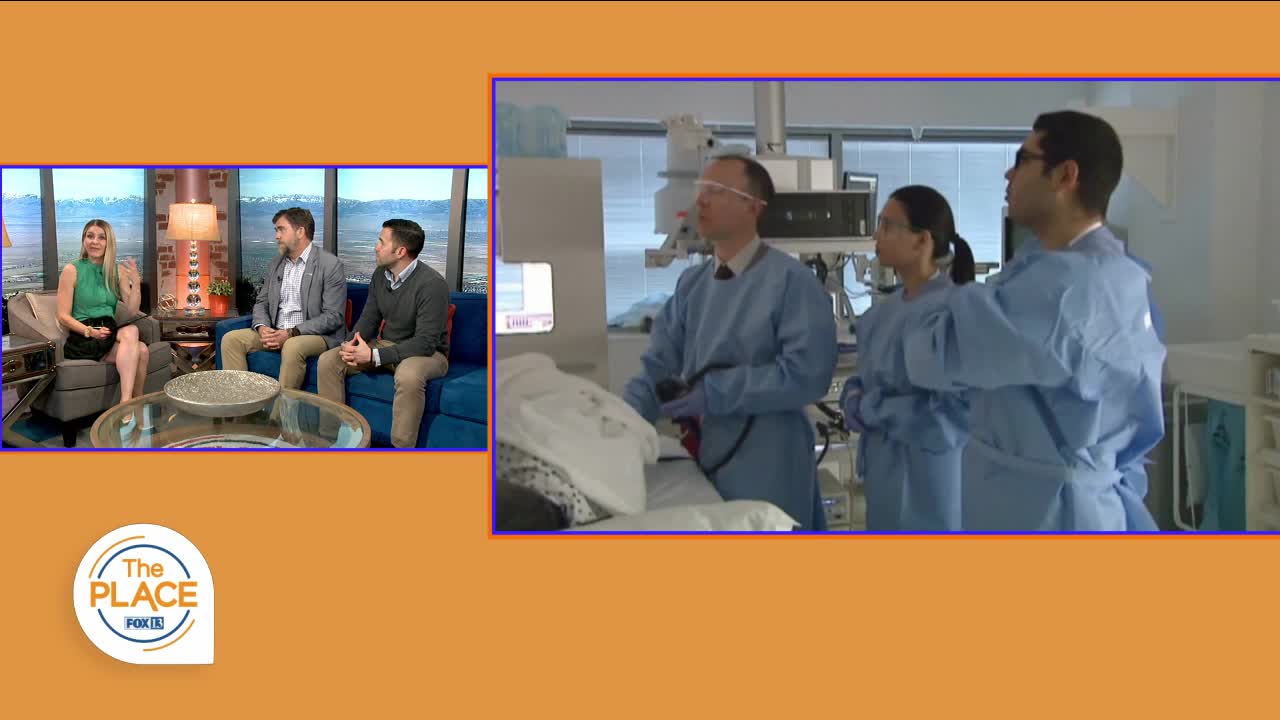

Despite being highly preventable through early detection, colorectal cancer remains the second leading cause of cancer-related death for men and women combined.
Treatment for colorectal cancer in its earliest stage can lead to a 90 percent survival rate after five years.
However, more than a third of adults do not get recommended screenings.
According to the One Utah Collaborative, Utah's colorectal cancer screening rates have experienced a significant decline, falling from roughly 74 percent in 2020 to 59.4 percent in 2022, placing it below the national average.
John Poelman, One Utah Health Collaborative Director of Innovation, told us about Screen Utah, a statewide effort focused on improving access to complete, affordable colorectal cancer screening through coordinated action among payers, providers, health systems, public health, and community partners.
Men and women, anyone over the age of 45 if you are at normal risk, should get screened.
If you're at higher risk (maybe family history) you might need screening earlier.
Screening is recommended at least until age 75.
Direct visualization tests like Colonoscopy allow doctors to look directly to find (and remove) cancerous or pre-cancerous growths. This is the gold standard.
This should be repeated every 10 years if everything looks good.
There are also a couple of at-home testing options:
FIT kits look for bleeding – should be done every year.
Cologuard looks for signs of early cancer – should be done every three years.
Any abnormal at-home test result should be followed up immediately with a timely colonoscopy.
The rules about who, how often, and how can be complicated. Talk to your health care provider about which test would be a good option.
Check with your insurance company – these tests are often fully covered.
Regence BlueCross BlueShield of Utah has expanded its colorectal cancer screening efforts by direct mailing at-home kits to Medicare and individual exchange members and addressing screening gaps during member service calls.
By mailing approximately 5,000 kits, Regence initiated outreach to ensure timely screening, lower costs and timely follow-up for its members.