


Protein has stolen the nutrition stage for a while now and its marketing wave just keeps going.
So, if you worry about not getting enough protein or think that getting more protein is going to be healthier for you or help with weight loss, or any number of other amazing claims – you're not alone.
Trish Brimhall, RDN, CD, CLE, joined us to do a little debunking and possibly some push-back on the topic of protein.
What do we really need when it comes to protein?
0.8-1.6 g per kg body weight. (range of approx. 50-175g/day)
The range accounts for differences as we age, life stage, and physical activity needs.
2g/kg or more is a dangerous level.
Keep in mind this is kilograms not pounds, so calculating using pounds is essentially doubling it, easily putting you in the excessive-unhealthy category.
Why do we need protein?
Building blocks of your body – not just muscles
Repair, growth, immune function, enzyme production
Why do we think we need more? Largely marketing. Science does not back up excessive, more-is-better claims – especially with muscle growth – strength training is what creates more muscle mass supported with sufficient (not excessive) protein.
How do we get a healthy amount of protein?
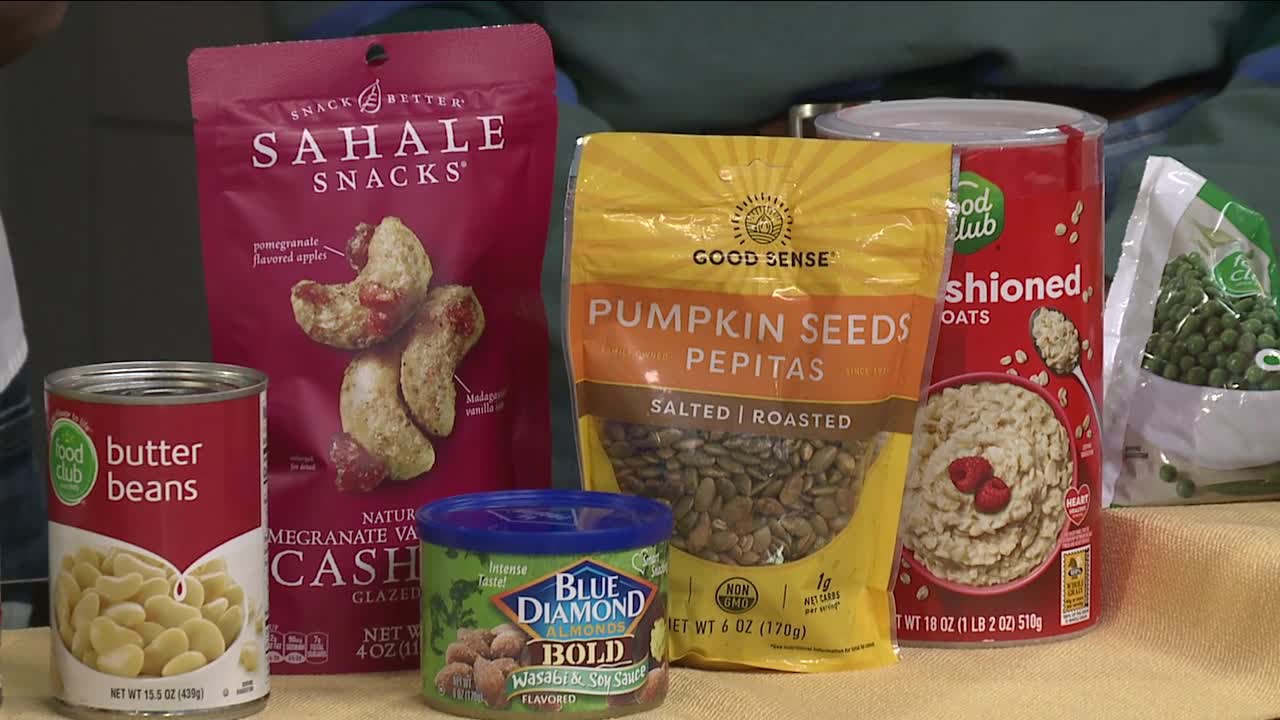
Aim for variety of food sources (lean meats, dairy, legumes, whole grains).
Spreading it out over 3 meals makes it easier, more palatable, and keeps satiety more balanced during the day (15-30 g/meal). You can get it in one lump sum, but balanced is generally better.
Weight loss drugs mean more people are on restrictive diets that place them at higher risk for many nutrients including protein. But that range up to 1.6 g/day is more than enough to account for the muscle loss and protein deficiency found with weight loss meds. The problem is more the restrictive nature of weight-loss meds than a protein problem. And no, more protein doesn't magically translate to automatic weight loss.
You can learn more from Trish at nutritiousintent.com.
