

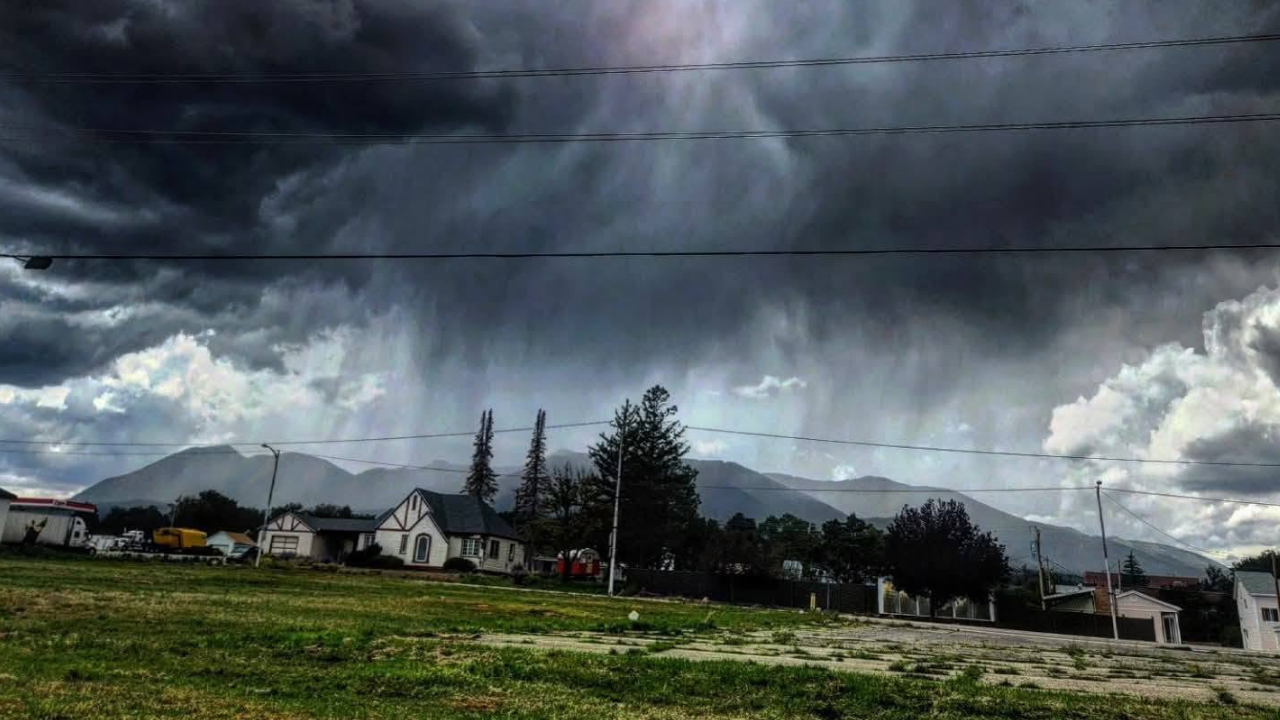


SALT LAKE CITY — Heavy rain and flash flooding have impacted parts of Utah during a busy late-summer monsoon season, prompting some viewers to ask a simple question: With all this water falling, how much of it is actually helping Utah's reservoirs or the Great Salt Lake?
The short answer is that they help, but summer thunderstorms are not nearly as effective at filling reservoirs as the slow, sustained runoff Utah typically sees during the spring.
"Unfortunately, the reservoirs don't get filled a lot from these rainstorms," said Laura Haskell, the drought coordinator for the Utah Division of Water Resources.
That comes down to where the moisture falls and how long the water continues flowing into reservoirs. During a typical spring runoff season, melting mountain snowpack can keep rivers and streams running high for days or even weeks.
"In the spring, a lot of time, not this past year, but other springs, we'll hear about high-flowing rivers, and we'll have warnings about those for weeks, and they'll be flowing very high for like 24 hours a day for a couple of weeks," Haskell said. "So there really is a big difference in the amount of water."
Zion National Park flooding captured on video shows widespread damage:
Summer thunderstorms, on the other hand, can produce a tremendous amount of rain in a short period of time. That can lead to flash flooding, especially in areas with steep terrain or recently burned landscapes, but the water does not necessarily make its way into Utah's reservoirs.
Much of the rain can run off locally, soak into the ground or be lost to evaporation before reaching a reservoir. That matters this year because Utah's reservoirs did not begin the summer as full as water managers would have liked.
"We didn't start the reservoirs as high as we would have liked, and then we had to use them a little bit longer, so they have gone down," Haskell explained.
While the storms may not suddenly refill reservoirs or dramatically change water levels at the Great Salt Lake, Haskell said the rainfall can still provide an important benefit by reducing the amount of water people need to use outdoors.
"The big win that we can get out of some of these storms is like at our house, we've turned off our sprinklers," she said.
If the rain allows Utahns to cut back on irrigation and other outdoor water use, that can reduce demand on the state's water supply.
"It does help," shared Haskell. "These storms help, and they're heading us in the right direction, but it's gonna take a little bit of time."
So while the recent rain is welcome news for Utah's drought and water supply, it is not a quick fix. The biggest boost to reservoirs typically comes from a healthy winter snowpack followed by a sustained spring runoff season.
This story was reported on-air by a journalist and has been converted to this platform with the assistance of AI. Our editorial team verifies all reporting on all platforms for fairness and accuracy.