



Last week's winter storm brought a welcome boost to Utah’s snowpack, and for many, it sparked a hopeful question: Are our water woes over?
The Central Utah Water Conservancy District even leaned into that conversation on social media, asking followers for their thoughts. But water managers say the answer isn’t that simple. One storm, they caution, doesn’t undo an entire winter of dismal snowfall.
According to Jared Hansen, the district's director of water policy, much of January and early February were unusually dry at a critical point in the winter.
“Then the first part of January, it just shut right off," he said. "Up through this recent storm, conditions were pretty flat. Most of the measurement stations across the state were either at record lows or second closest to record lows, so we’re in a pretty big deficit.”
That timing is significant because winter snow accumulation determines how much water will flow into rivers and reservoirs during the warmer months. Hansen says the state lost a key portion of the buildup season.
“What we missed in that dry, warm stretch in January into February was about a third of the snow accumulation season," he said.
State drought officials say the recent storm did add to the snowpack, but Utah remains far behind typical seasonal averages. Laura Haskell, the drought coordinator with the Utah Division of Water Resources, says there’s still a large gap to close.
“We got about 1.5 inches of water in our snowpack statewide on average, which is great, and we’ll take it," Haskell said. "But we’re at about 7.5 inches of water, and typically by April 1st or 2nd, we should have about 16 inches of water. So we still have a long ways to go, unfortunately.”
With summer demand ahead, conservation remains critical. Amanda Strack, the district's water conservation manager, says outdoor watering presents the biggest opportunity for savings.
“Most of the water here is applied to outdoor landscapes," Strack said. "It’s about 60% of the water, and we’re getting more and more information that much of that water applied to the landscape is being depleted and not going back into the system. So it’s a really big place that we want to focus.”
District leaders say this winter stands in sharp contrast to recent strong snow years. Zack Seipert, a marketing and communications specialist for the district, says perspective matters when comparing seasons.
“I think it’s really important to talk about how different this year is compared to a couple of years ago when we were getting major snowstorms. Our snowpack was looking really good. This year, we look out and our mountain peaks are really suffering," he said.
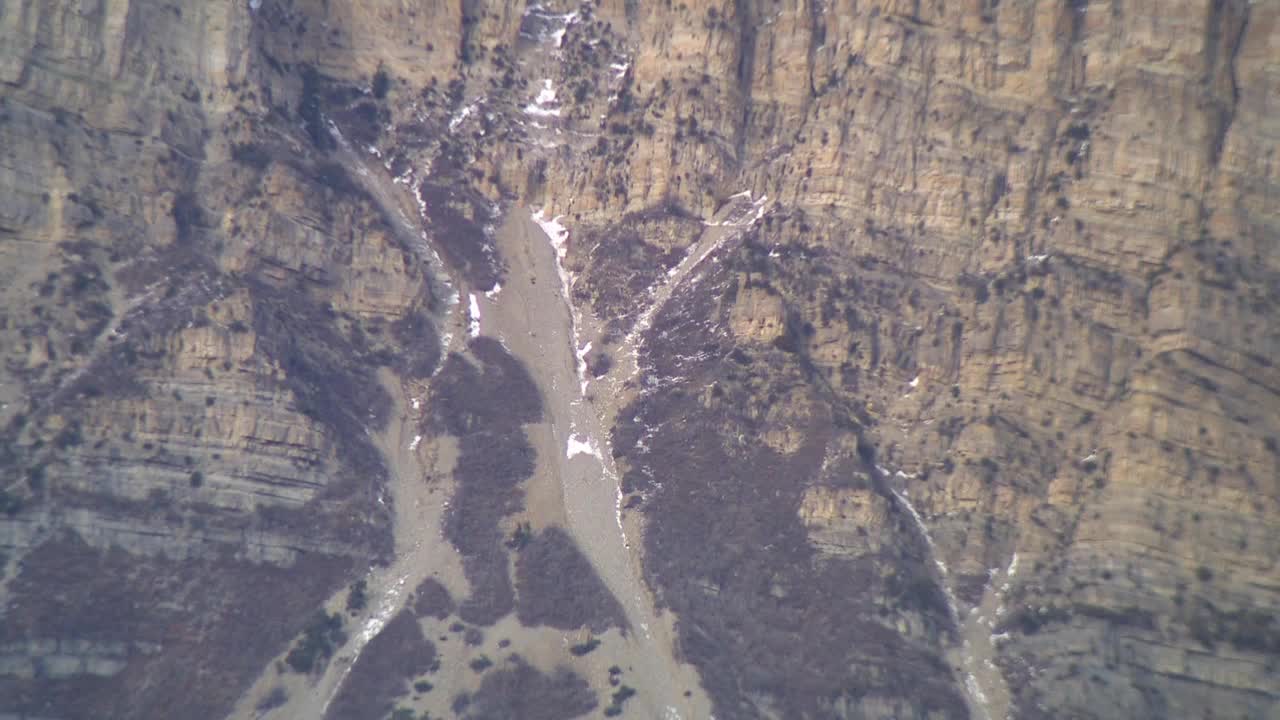
The recent storm is a positive step, water managers say, but it’s only one piece of a much larger picture. While Utah will take every inch of snow it can get, officials emphasize that long-term conservation habits remain essential as the state heads toward summer.