


February is American Heart Month, and for one Utah family, the message is deeply personal.
FOX 13’s Max Roth said his mother went into cardiac arrest 16 years ago. Strangers, first responders and cardiologists helped save her life after someone in public began CPR. His family now celebrates what they call her “second birthday” each year.
Heart disease remains the leading cause of death in the United States. According to the American Heart Association, about 805,000 people suffer a heart attack each year — roughly one every 40 seconds.
Doctors say fast action can make all the difference.
The thing I love most is helping people,” said Dr. Aaron Weaver, an interventional cardiologist at Intermountain Health Utah Valley Hospital in Provo. "I mean, literally you can see somebody coming in who is very sick, sometimes literally dying, and within minutes you’ve alleviated their pain. They’re feeling better.”
Weaver and Dr. Jonathan Holbrook, also an interventional cardiologist at Intermountain Health Utah Valley Hospital, treat patients during heart attacks, but they say it’s important for people to understand what a heart attack actually is.
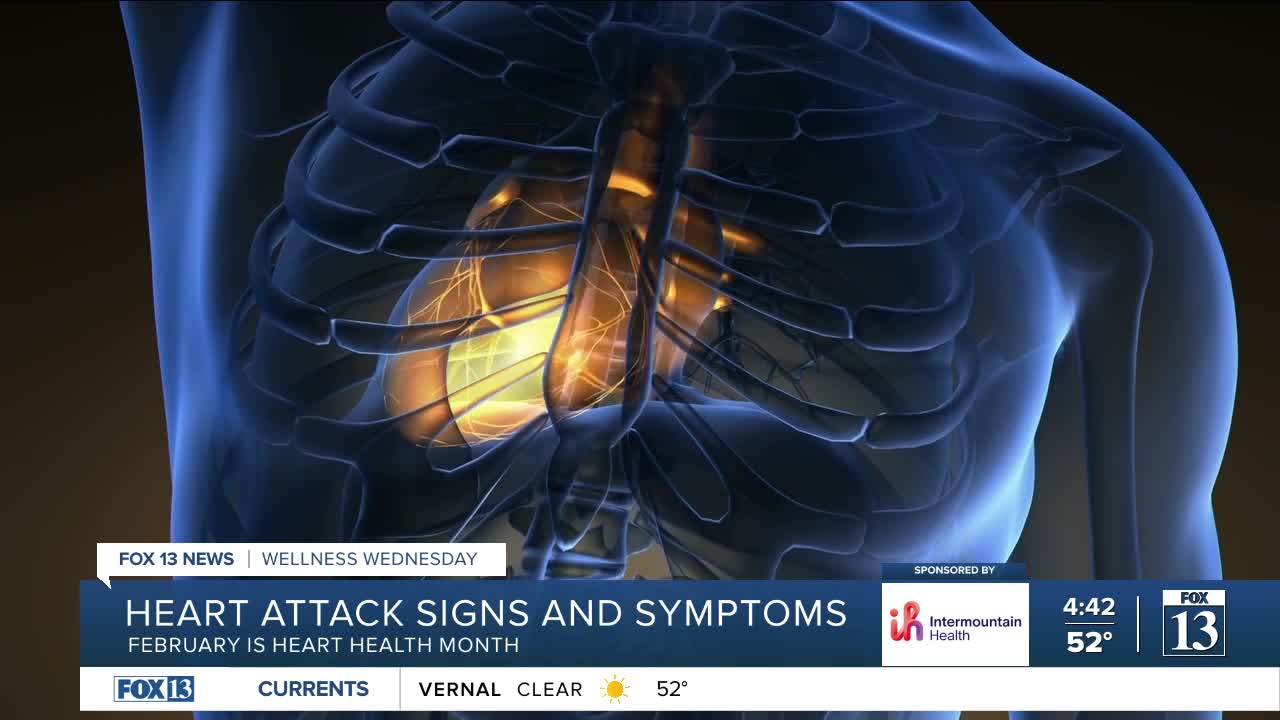
“Lack of blood flow to the heart muscle,” Weaver said. “Our heart is an active muscle that is moving all the time and it needs oxygen. And so when that muscle doesn’t get oxygen, it starts to die.”
Weaver and Dr. Jonathan Holbrook treat patients during heart attacks, but they say it’s important for people to understand what a heart attack actually is.
“Lack of blood flow to the heart muscle,” Weaver said. “Our heart is an active muscle that is moving all the time and it needs oxygen. And so when that muscle doesn’t get oxygen, it starts to die.”
Doctors say many people ignore symptoms because they feel strong or don’t recognize the warning signs.
“Where I practice, we cover a lot of central Utah and a lot of those farmers down that way,” Holbrook said. “They’re just going to keep going. But the sooner you get in, the better off you are.”
Doctors say heart attacks can happen even to people who seem healthy.
“Many times we’ll see folks who can be in their — often men in their 50s — and they’re active,” Weaver said. “Some of them are taking good care of themselves, and they’re asking that very question: Why did this happen to me? I’ve been doing the right thing. But out of the blue, they get symptoms — chest pain, trouble breathing.”
Those symptoms are not always obvious.
“Most people don’t describe it as a pain, like an ‘ouch’ or sensation there,” Holbrook said. “It’s usually more of a kind of a heavy tightness, have difficulty breathing. That pain can go other places. Some people feel it more up in their jaw or neck, other people down their left arm.”
“They may feel like they’re going to throw up or feel real sweaty,” Weaver added.
Common heart attack symptoms
Doctors say warning signs may include:
- Chest discomfort or pressure
- Pain in the arms, back, neck, jaw or stomach
- Shortness of breath
- Cold sweats, nausea or lightheadedness
Women may experience different symptoms.
“While it can vary from person to person, women are more likely than men to experience ‘atypical’ symptoms, such as extreme fatigue, indigestion, or pain localized in the back or jaw rather than the chest,” Holbrook said.
How to reduce your risk
Doctors recommend focusing on these heart-healthy habits:
- Get regular physical activity
- Eat a balanced, high-fiber diet
- Manage stress and get enough sleep
- Avoid tobacco
- Monitor blood pressure, cholesterol and blood sugar
If you or someone near you shows signs of a heart attack, doctors say to call 911 immediately.
“Time is muscle,” Weaver said. “The faster we can restore blood flow to the heart, the less permanent damage occurs.”