

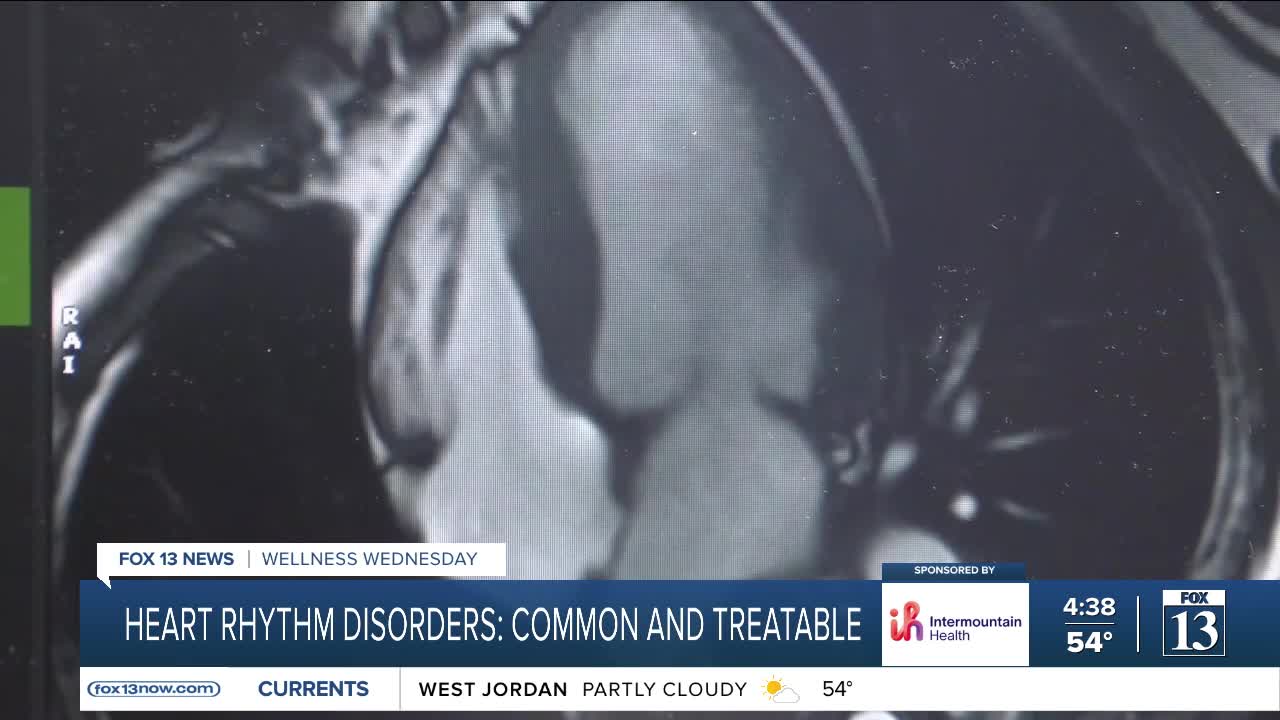


February is American Heart Month, and heart specialists are focusing on the electricity that keeps the heart beating in rhythm.
Every heartbeat is controlled by tiny electrical impulses that tell the heart when to contract and relax. Most people never think about it, but that steady rhythm is what keeps blood moving through the body day after day.
“I'm a heart rhythm specialist, so heart rhythm includes mainly the way the heart beats and the rhythm itself,” said Dr. David Wang, a cardiologists who specializes in heart rhythm disorders at Intermountain Health Utah Valley Hospital in Provo. “We take it for granted that it actually beats flawlessly every day of our lives.”
Heart rhythm is usually reliable, but when that electrical system falls out of sync, the results can be uncomfortable—or even dangerous. Symptoms can include palpitations, fatigue, dizziness, shortness of breath and chest pain. In more serious cases, an ineffective heartbeat can eventually lead to heart failure.
“Meaning that you're bothered with symptoms on a day-to-day basis of getting through your class, getting through average daily living could be challenged by having symptoms,” Wang said. “Or your heart can have such ineffective heartbeat all the time that it leads the heart to fail.”
Treatment depends on the cause and severity of the rhythm problem. Some conditions can be managed with medication, while others may require procedures or implanted devices like pacemakers to help regulate the heartbeat.
Technology is also changing the way some people first learn something is wrong.
“There are consumer products out there ready to make the diagnosis for you as long as you reach for them, have it on,” Wang said. “Oftentimes I meet a patient with the first diagnosis of common arrhythmia such as AFib from their Apple Watch.”
While smartwatches and other wearable devices can alert people to possible issues, doctors say they should not replace professional medical care. Anyone who notices unusual symptoms or receives a warning from a device should follow up with a healthcare provider.
The good news, according to Wang, is that most heart rhythm disorders are highly treatable—especially when caught early. Addressing the problem before symptoms worsen can help prevent long-term damage and keep the heart beating strong.