

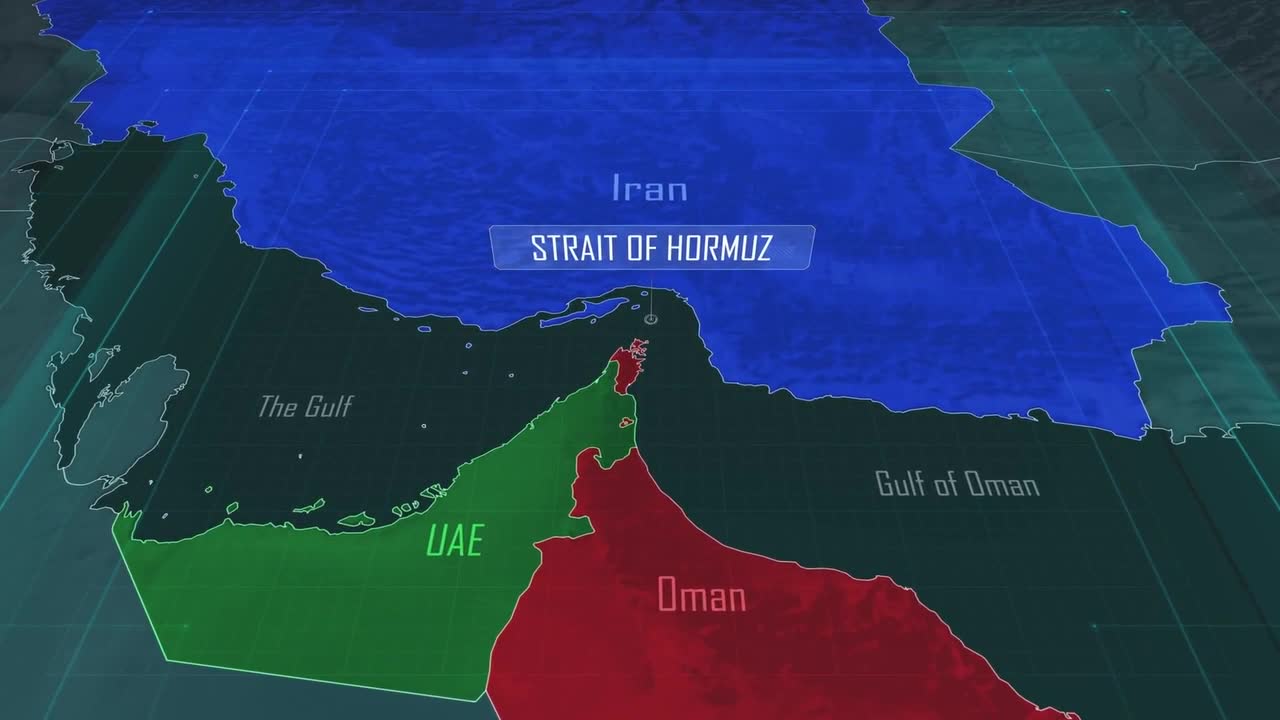


The ongoing conflict in the Middle East has essentially shut down the Strait of Hormuz, cutting off a critical choke point for ships exiting the Persian Gulf with much of the world's supply of oil, natural gas and fertilizer.
The current shutdown removes 11 million barrels of oil per day from the global market, according to the International Energy Agency head Fatih Birol, who also said this disruption surpasses the impacts of the 1973 Yom Kippur War and the 1979 Iranian Revolution. Each of those wars cut about five million barrels a day and led to major recessions.
Today, the Gulf supplies 20% of the world's oil and 20% of its liquefied natural gas through the Strait. Additionally, 30% of the world's fertilizer passes through the Strait in the form of urea.
It takes about three to five months for expensive fuel to impact grocery store shelves, meaning consumers could see a spike in food prices this summer or fall, though a quick end to the war might forestall some of the pain, according to Derek Thompson, co-author of "Abundance."
The timeline for the end of the bombings remains a moving target, with questions surrounding potential regime change and the rights of Iranians. Missiles, drones and bombs leave lasting damage to infrastructure that cannot be fixed quickly, so some supply will be affected in the long term.
After the conflict ends, the ship owners, captains and insurance companies will be wary of the region, and their own prices will increase.
The U.S. produces more oil than it uses, which grants security in the form of availability, but not in the form of affordability, as prices are set on the international market.
Data regarding these market impacts comes from the U.S. Energy Information Administration, the Bureau of Labor Statistics, the Federal Reserve Bank of St. Louis, and the International Energy Agency.