



KEARNS — On concert nights, Martha Smith says the streets near her Kearns home no longer feel like a neighborhood.
“It was just bumper to bumper all the way down,” Smith explained. “Next thing you know, we’re not a residential street anymore; we’re a freeway.”
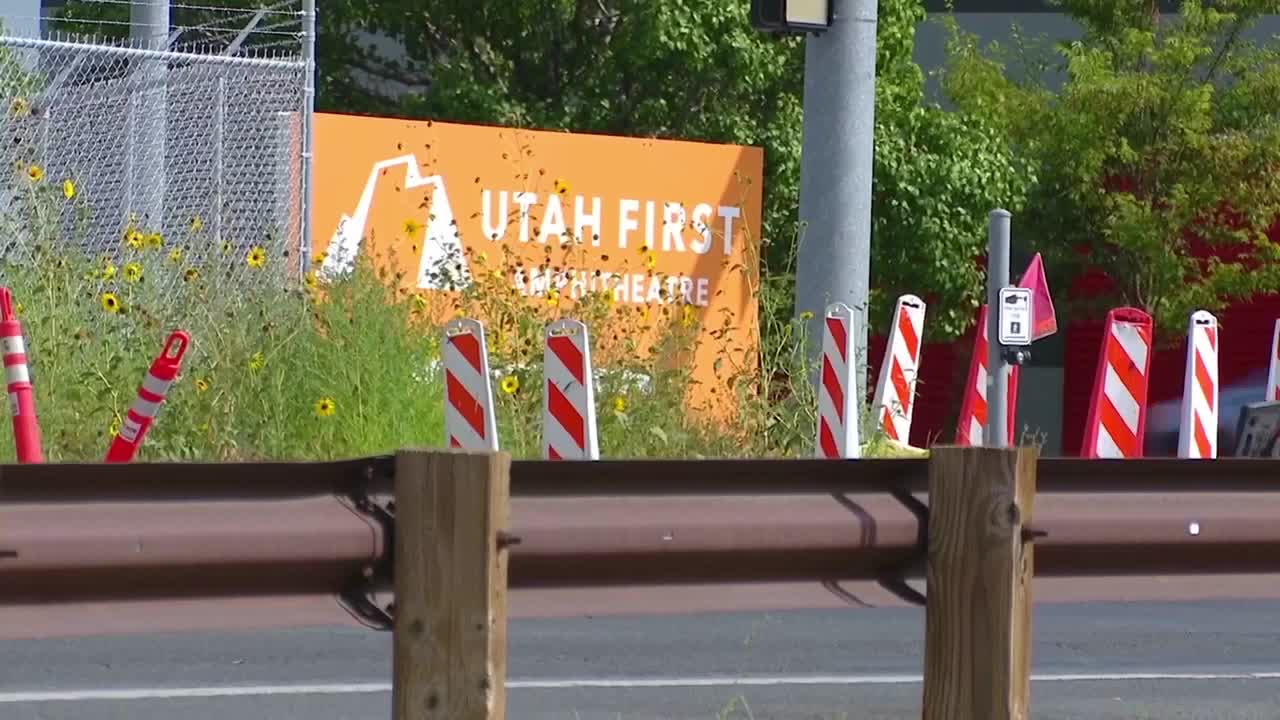
People who live near the Utah First Credit Union Amphitheater say concert traffic fills neighborhood streets, blocks driveways and creates concerns about whether emergency vehicles can get through.
The city says they’ve implemented solutions over the years, including “No Event Parking” signs for the streets most affected by event traffic. Now, they’re considering implementing a residential parking-permit program.
During a city council meeting last month, officials said a permit system could help police identify which vehicles belong in the neighborhood and which ones are parked there for an event.
“People will advertise their driveway, 'Hey, come and park in my driveway for a discounted price,’ City Attorney Nathan Bracken said during the meeting. “People come, all the driveways are full, people drive on the street, exacerbating the problem.”
The city noted that the amphitheater is located in neighboring West Valley City, not within Kearns city limits, which creates some challenges.
“You have to consider what you’re going to pay for one officer," said Unified Police Department Precinct Chief Levi Hughes during the council meeting. "It’s considered time and a half. And is one officer sufficient? No, it’s not sufficient."
He added, "West Valley is the creator of this issue that impacts us, and so I don’t think we should be financially responsible for the city next to us.”
Smith worries the congestion could delay emergency responses.
“It scares me when I have an asthma attack,” Smith said. “Us not being able to get the emergency vehicles, us not being able to get in and out.”
The city wants feedback from residents before deciding what parking systems or restrictions to put in place. They plan to survey the community and continue discussions with West Valley City and the amphitheater.
Officials are exploring temporary solutions through the end of the venue’s concert season in early October, with a permanent parking system possibly in place by next year.