



SALT LAKE CITY — A simple bill on the Colorado River Authority of Utah has been amended in a sign that negotiations are not going well.
House Bill 473, sponsored by Rep. Scott Chew, R-Jensen, started simply by moving the Colorado River Authority of Utah from underneath the Governor's Office and over to the Utah Department of Natural Resources. But language has been added into the bill to bolster its authority to stick up for Utah's interests in the ongoing high-stakes negotiations over the river that supplies water to more than 40 million across the West.
Rep. Chew told members of the Senate Natural Resources Committee that it was done because negotiations between the seven states along the Colorado River have not yielded a new agreement.
"Those of us that rely on the Colorado River, it’s put us in kind of a tough spot. We know what litigation will do and our portion of the Colorado River extends across the state," he said.
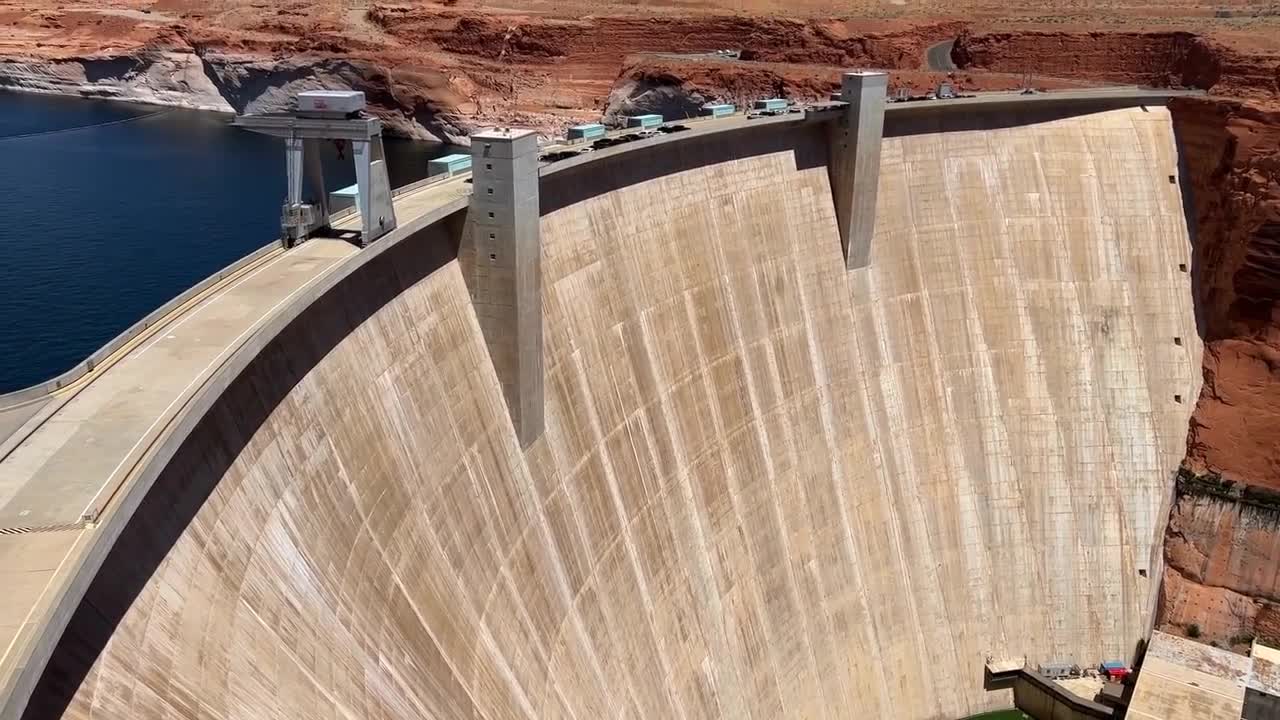
The states missed another deadline set by the Trump administration to get a deal. The U.S. Bureau of Reclamation is advancing its own proposals for managing the river, while also warning of a horrible hydrology. Lake Powell could drop 50-feet in elevation this year. The bureau also warns that Glen Canyon Dam could cease to generate power by December. (Recently, Upper Colorado River Basin states offered to release water from Flaming Gorge and other reservoirs to prop it up.)
Utah and other states have begun socking away money to prepare for lawsuits. Lawmakers on the committee acknowledged things aren't looking good. Sen. Nate Blouin, D-Salt Lake City, wanted to know why HB473 scrapped any mention of the Authority's mission protecting and conserving Colorado River water?
"We believe that protecting Utah’s right to use the waters of the Colorado River inherently includes conservation or develop or use," said the Authority's Cody Stewart, who told the senator it was "duplicative."
During public comment, Cecily Ross said she opposed that change.
"Other states may not take us seriously if we’re actively removing any mandate of conservation on Colorado River water," she said.
Joel Ferry, the executive director of the Utah Department of Natural Resources, spoke in favor of the bill aguing it would "give the support, the resources, the manpower, the funding everything necessary for the Colorado River Authority to be successful moving forward."
HB473 passed out of the committee and is before the full Senate.
"We’re going to be forced to conserve because we’re going to have a whole lot less water," said Sen. David Hinkins, R-Ferron. "Especially if we lose against the downstream states."
On Thursday, Colorado River Commissioner for Utah Gene Shawcroft told reporters they are exploring options after the missed deadline. He pushed back on assertions by Lower Basin states that Utah and others in the Upper Basin failed to come up with any concrete conservation solutions. He detailed offers they had made that had been rejected in the negotiating rooms.
But with an agreement on the river set to expire in October, Shawcroft said the states were discussing other options.
"The focus, frankly, has turned to rather than a 5 year deal, turned to what do we do for the next 12 months and then potentially the next 24 months," he said. "So as we meet again, that will be the focus of our conversation. How do we survive? How do we get by with an incredibly horrible hydrology, with low reservoirs, with an extremely warm winter."
This article is published through the Colorado River Collaborative, a solutions journalism initiative supported by the Janet Quinney Lawson Institute for Land, Water, and Air at Utah State University. See all of our stories about how Utahns are impacted by the Colorado River at greatsaltlakenews.org/coloradoriver