



SALT LAKE CITY — Kids are gearing up to head back to school in Utah, just as the state has the second-highest number of measles cases in the country. Those numbers have many physicians and parents wondering what will happen once children get back into the classroom.
While 12-year-old Gloria Vargas has her own concerns heading back to school, her meningitis shot was not one of them.
“I found out that I just have to get two more," said Gloria.
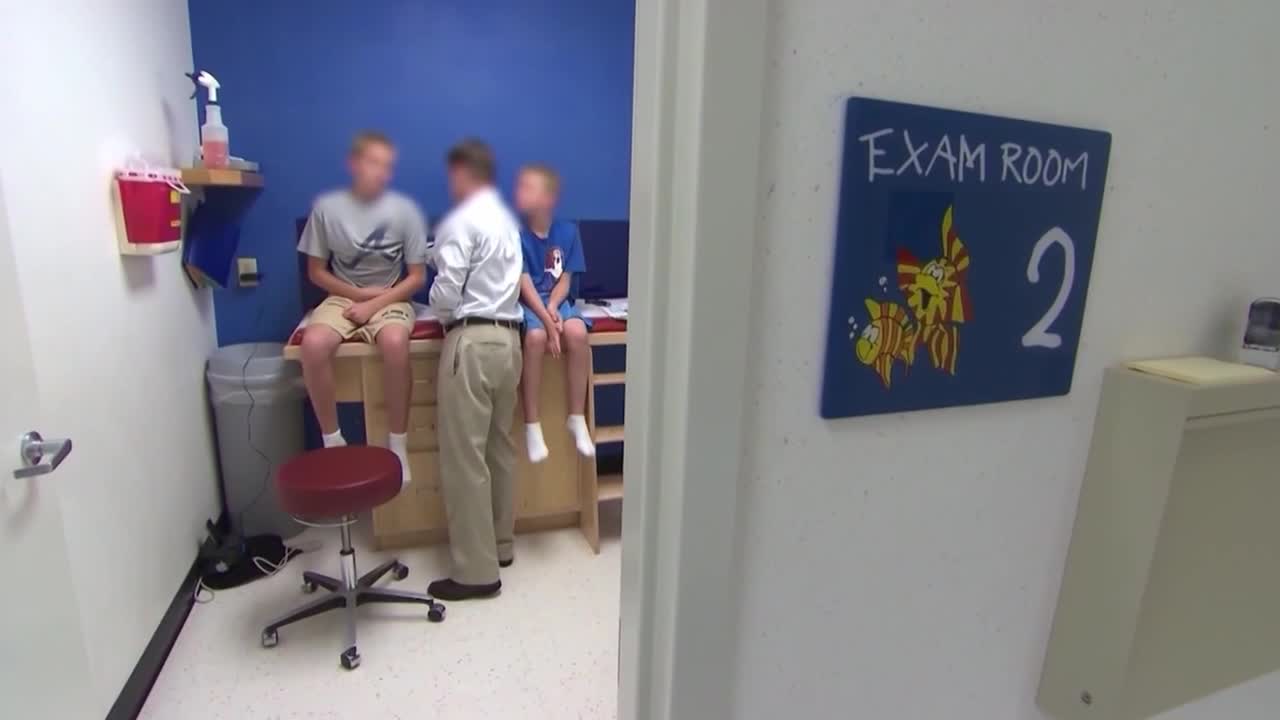
Her mother, Pa Yang, felt Tuesday's doctor’s visit was necessary.
“Just make sure that she is healthy, she is protected; that she's up to date with her shots," she said. "You just may never know what other people carry... whether if her health can have an impact on other kids.”
The one disease physicians are worried about is measles. The Utah Academy of Family Physicians says over 700 people were sick with measles this past year, and while things were calm in the summer, that may be short-lived.
“Seeing it in person is awful," explained pediatric infectious disease specialist Dr. Trahern W. Jones. "Frankly, you're watching this child struggling to breathe... It's pretty emotionally distressing as a pediatrician, somebody who's dedicated their lives to trying to take care of sick kids, and also as a parent.”
Video below shows where current measles cases are located in Utah:
Jones shared how things can get tricky when you mix kids of all vaccination levels in one classroom.
“For kids who are immunocompromised, kids who have had transplants... it's tougher for them because they can't get the vaccine," he said. "We've got to tell them to wear N959 [masks]. It's rough."
According to Jones, unvaccinated students exposed to measles may have to quarantine and miss school for up to three weeks. Physicians feel misinformation spread online can contribute to low vaccination rates, and they hope families talk to their doctors.
“I know it's difficult to know, this day and age, who can I trust?" said family physician Dr. Jordan Roberts. "I wouldn't tell you to do something for your child that I haven't already done for myself or for my own child."
Physicians encourage families to visit their local health department, pharmacy or primary care office for vaccinations.