



SALT LAKE CITY, Utah — About 900 Utah families won’t receive subsidies to pay for childcare, which is about 10% of the families currently in the program, due to a federal funding shortfall.
Families with children receiving childcare subsidies who are enrolled in part-time programs will also receive less funding if they qualify under the revised guidelines.
There are proposed cuts to how much eligible families of children enrolled in school and childcare programs would receive, but those numbers are still being worked through.
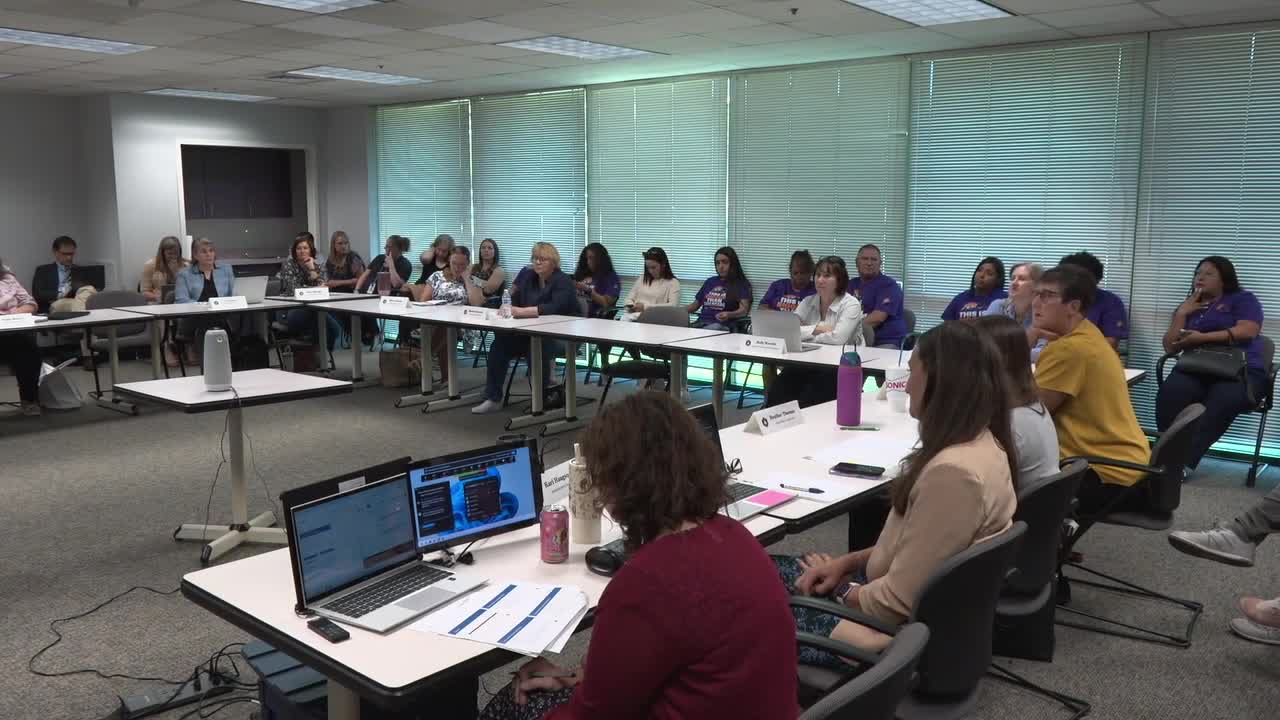
On Wednesday, parents, childcare providers and advocates packed the Office of Child Care’s Advisory Committee Board meeting, in-person and online, to raise concerns about the potential domino effect of these cuts.
"Families are already paying as much for childcare or more than they're paying for their mortgages, so to put more on them when they can’t already afford their house payment, their food, their education, clothes to put on their children's backs, and now,” said Melea Rogers, owner of Kids Zone Preschool and Daycare in Ogden. “It’s just not possible.”
She was one of the people who attended in person. She said about 85% of the children in her program rely on state assistance.
Sadie Larsen, who FOX13 News spoke to last week, lives in West Haven and is one of the moms who relies on childcare and this program to raise her three boys. Larsen is one of the families who won’t meet the new eligibility guidelines and will lose the subsidies.
The Department of Workforce Services said they received $22 million less in federal funding.
"It’s really difficult, it’s really challenging. We know it’s challenging for families and for the childcare providers as well,” said Heather Thomas, division director of the Office of Child Care. “We’re doing our best to make sure that those families with the highest need are not impacted and doing everything we can with the funding that’s available."
Under the new guidelines starting Oct. 1, only families who make under 50% of the median household income in Utah will qualify for help for the first time, or 65% if they are returning to the program. It used to be 85%, going to income levels lower than they were before the pandemic.
"I’m worried about their protection, their education, their stability, but also I’m worried about losing my lifelong dream,” Rogers said.
With all the changes, 63% of families currently receiving subsidies could be impacted, along with the larger economy.
"As these cuts become a part of our reality, my business will dwindle down to nothing,” Rogers added. “I’ll have to close my doors and force families into (unpredictable) territory."
She’s worried about what could come next.
"We need to stop putting the biggest burden on the littlest people,” she added.