



SALT LAKE CITY — A breast cancer diagnosis can come with lots of fear, apprehensions and sadness. It can be a very difficult journey for women, not just physically, but emotionally too.
According to the American Cancer Society, one in eight American women can get breast cancer at some point in their lives, and surgery can be a tough pill to swallow.
"It’s a very difficult thing to embrace the thought that you need to have surgery on your breast,” Pam Higginson said. “It was very intimidating and very frightening."
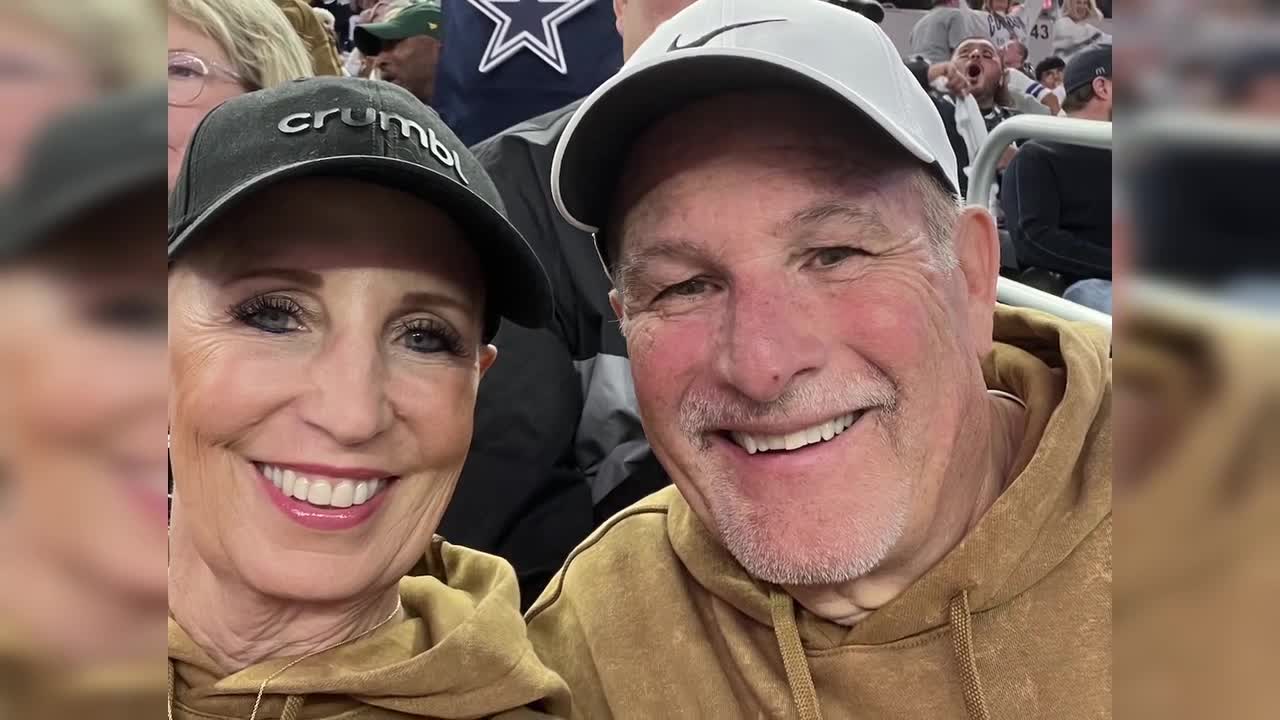
For 18 years, Higginson worked at the American Cancer Society. Little did she know that a few years after she retired, her life would come full circle in 2023.
"Upon diagnosis, of course, it was a shock. It’s always a shock when you get a cancer diagnosis,” she said.
But she also knew that there was a treatment protocol for her type of breast cancer, and had resources from the American Cancer Society to help. But still, it was a tough road.
Her treatment started with a lumpectomy, then rounds of chemotherapy and radiation. But with surgery as the first step to get rid of her growing tumor, Higginson said it was a lot to process.
"You’re going to have something operated on that’s very personal and very much a part of your sexuality and who you are,” she said.
She said her family, and especially her husband, were her support system and helped her through a difficult time. She said she sometimes still doesn’t feel totally herself in her body, but is thankful to be here.
"It is not easy to know that you’re going to have some very invasive thing happen and things are not going to look the same when you’re done, so it was very emotional for me,” Higginson said. “I healed well and I was just counting my blessings.”
Higginson said she did not want reconstructive surgery. But for women who do, Dr. John Hijjawi, a plastic surgeon at Intermountain Health who specializes in breast reconstruction, said the medicine has come so far.
“The procedures that we do to rebuild a breast after someone has had either part of their breast or all of their breast removed to treat cancer are just much more nuanced,” Dr. Hijjawi said. “The surgeries that we do preserve muscle function, can either preserve or restore nerve function and minimize downtime compared to 20 years ago when I started practice."
For Dr. Hijjawi, breast cancer and breast reconstruction is personal.
"It's one thing to be the doctor with your white coat on or your scrub cap,” he said. “It's another thing to be the husband, you know, in the bathroom at home writing down the drain numbers and being right there with someone who you care about a lot and who is going through it themselves."
He got into this field after his mother had breast cancer. His wife was diagnosed with it as well and had a double mastectomy.
Higginson said she hopes fear doesn’t prevent women from getting their mammograms because there are treatments that can help and help you come out stronger.
"Cancer will change your life and you will never be really the same," she said. "But you will be a better you because you’ll know you even more than you ever knew yourself."