



SALT LAKE CITY — Sarah Kimmel is packing again.
It is another move she does not want to make, but after nearly 16 months in Utah, Kimmel has learned much of her life revolves around circumstances she cannot control.
She still cannot take her twin daughters home to Boise.
One of them, Quinn, has spent all 482 days of her life at Primary Children’s Hospital, where she is waiting for a heart transplant.
“Quinn is a very complex case,” Kimmel said. “She cannot go home on the Berlin Heart. It is an FDA trial.”
The Berlin Heart is a ventricular assist device that pumps blood for Quinn outside her body, doing the work her heart cannot.
Kimmel knew before the twins were born that Quinn had a serious congenital heart condition. She expected the family would spend three to six months in Utah while Quinn underwent treatment and surgeries before returning home.
That never happened.
Quinn spent seven months in intensive care. Kimmel said there were days doctors told her to prepare for the possibility that her daughter would not survive.
“But Quinn had other plans,” Kimmel said. “And she said, ‘No. That’s not what we’re going to do.’”
A medical stay that became a life
Sixteen months later, the strain has reached far beyond Quinn’s hospital room.
Kimmel stopped working. Her savings have dwindled. After 10 years together, she said she and her husband separated.
“You’re living in a pressure cooker,” Kimmel said. “That’s the best way to explain. And not everything can survive something like this.”
She is now largely navigating life in Utah with Quinn’s twin sister, Harper, beside her while Quinn remains hospitalized.
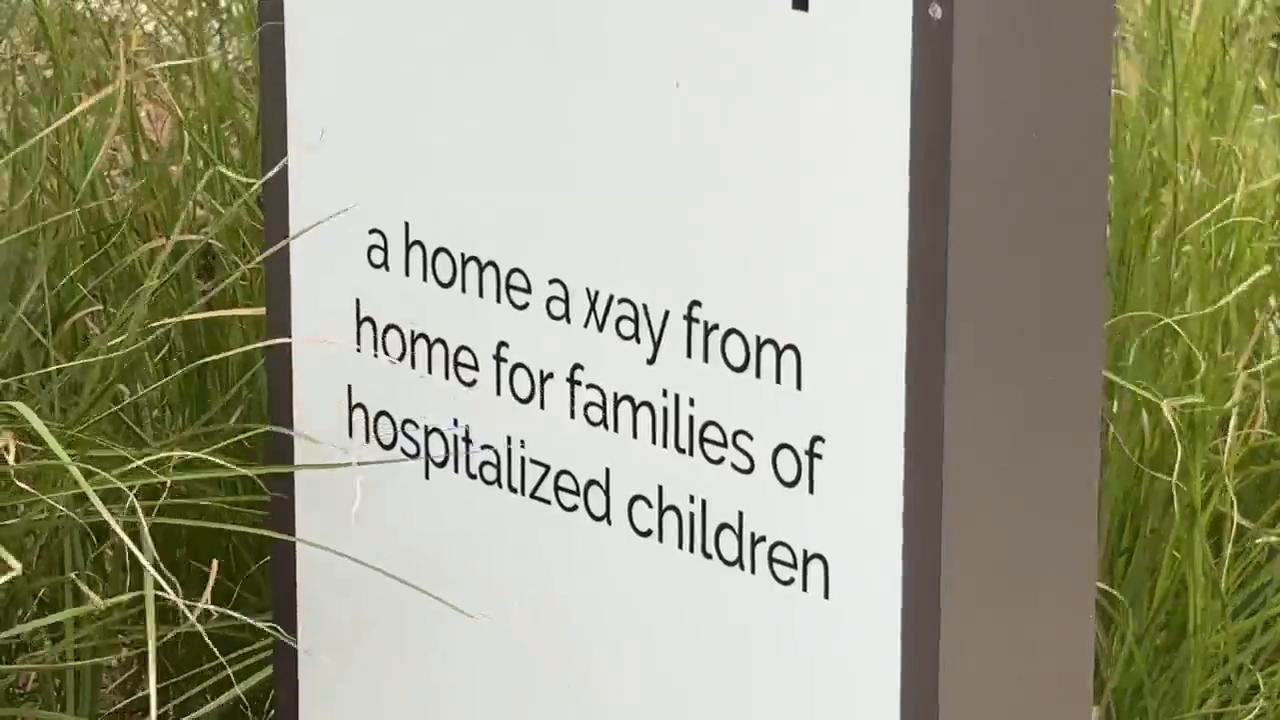
For nearly a year, Ronald McDonald House Mountain West gave Kimmel and Harper free lodging close to the hospital.
That is where Kimmel’s story intersects with a much larger problem facing families who come to Utah for specialized pediatric care.
Carrie Romano, CEO of Ronald McDonald House Mountain West, said Utah’s growing reputation as a destination for lifesaving pediatric medicine has increased the geographic area from which hospitals draw patients — and increased pressure on organizations trying to house their families.
“As Utah has become a pediatric magnet hub of lifesaving medical care,” Romano said. “The pressure on local nonprofits like Ronald McDonald House have increased significantly over the past couple of years.”
Romano said the Salt Lake City house has been full on nights when other families were waiting for rooms.
Free lodging, meals and transportation are often limited to stays of up to one year so rooms can become available for other families in need, she said.
For Kimmel, that year ended.
Quinn’s hospital stay did not.
“I had found myself scrambling to figure out where Harper and I were gonna go,” Kimmel said.
‘There are certainly not enough resources’
Kimmel eventually moved into an apartment near Primary Children’s and began paying market rent while she remained unable to return to work.
Her situation is not unique, according to Tyler Payne, Intermountain Health’s director of heart transplant.
“Sarah’s case really shows that there’s a need for long-term housing for patients who are coming from out of state,” Payne said. “It’s a limited resource, and we always are in need of more.”
Some patients can require care in Utah for as long as 18 months, Payne said. When temporary lodging runs out, social workers may try to connect families with government, religious or privately funded assistance, but there is no single solution.
“There are certainly not enough resources for families right now,” Payne said.
The problem is intensified by Utah’s success in transplant medicine.
Payne said patients travel to Utah from across the country — and sometimes from outside the United States — because of the state’s transplant programs and comparatively short waiting lists.
That success creates another need: somewhere for those patients and their families to live while treatment continues.
Payne said Intermountain regularly sees families sacrifice significant parts of the lives they left behind.
“They’re having to give up their savings, they’re having to sell their homes to be able to come to a great place to get care, but it costs money to stay here.”
An unusual solution for one family
For Kimmel, Quinn’s transplant team eventually found a temporary solution.
A colleague at Primary Children’s contacted Intermountain’s adult transplant program to ask whether it had any housing available. An apartment that would normally be reserved for an adult transplant patient happened to be vacant.
Intermountain offered it to Kimmel and Harper.
Payne said the arrangement is unusual, but the available apartment provided a way to keep the family close to Quinn.
Demand is still growing
Ronald McDonald House Mountain West says it is working to increase capacity.
Romano said the organization is raising millions of dollars to expand its Ronald McDonald House on South Temple and develop a second house in Salt Lake City.
The expansion comes as families continue arriving for complex care that can keep them in Utah far longer than they ever anticipated.
For Kimmel, those months have changed even her definition of home.
“Before this, I had a home, a career, a nest egg,” she said. “And I don’t have any of that anymore.”
Her days now revolve around Primary Children’s, where Harper naps, the family shares meals and Quinn continues waiting for a heart.
“The hospital is our home,” Kimmel said. “Not where we lay our head at night.”
How readers can help
Kimmel’s family has created an online fundraiser to help with rent, food, transportation, diapers and other expenses while she remains in Utah with the twins. The fundraiser says Kimmel was Life Flighted from Idaho to Utah in May 2025 and has been unable to return to work while Quinn remains hospitalized.
The family also operates a Quinn’s Heart Journey merchandise store with Team Quinn and congenital heart disease awareness items.