



SALT LAKE CITY — It’s a $170 billion industry cashing in on the backs of 30 million vulnerable victims: sex trafficking, according to the Department of Homeland Security and the International Labor Organization.
July 30 is “World Day Against Trafficking,” and this year, FOX 13 News spoke with survivor June Haskell about why the day of recognition is important and why we need to talk more about this atrocity hidden in plain sight.
“He pulled over halfway home on the side of the road and said, 'I just want you to know that I could kill you right now, but I’m not going to because I love you,' and I’m not sure what I said, but I remember saying something like, 'Of course nothing's wrong. Everything's cool, everything's fine.'
"He drove me home, and I walked him to the door; he went inside, shook my dad‘s hand and handed him an envelope.”
June thought she was just unlucky because the incident came after a series of sexual assaults and rapes, starting before she was a teenager. But it was more than just bad luck—it was a plot.
“I knew what was happening to me was wrong," Haskell said. "I knew that it wasn’t okay. Never suspected my mother was behind it. That was the first one where I thought this one’s going to stick with me.”
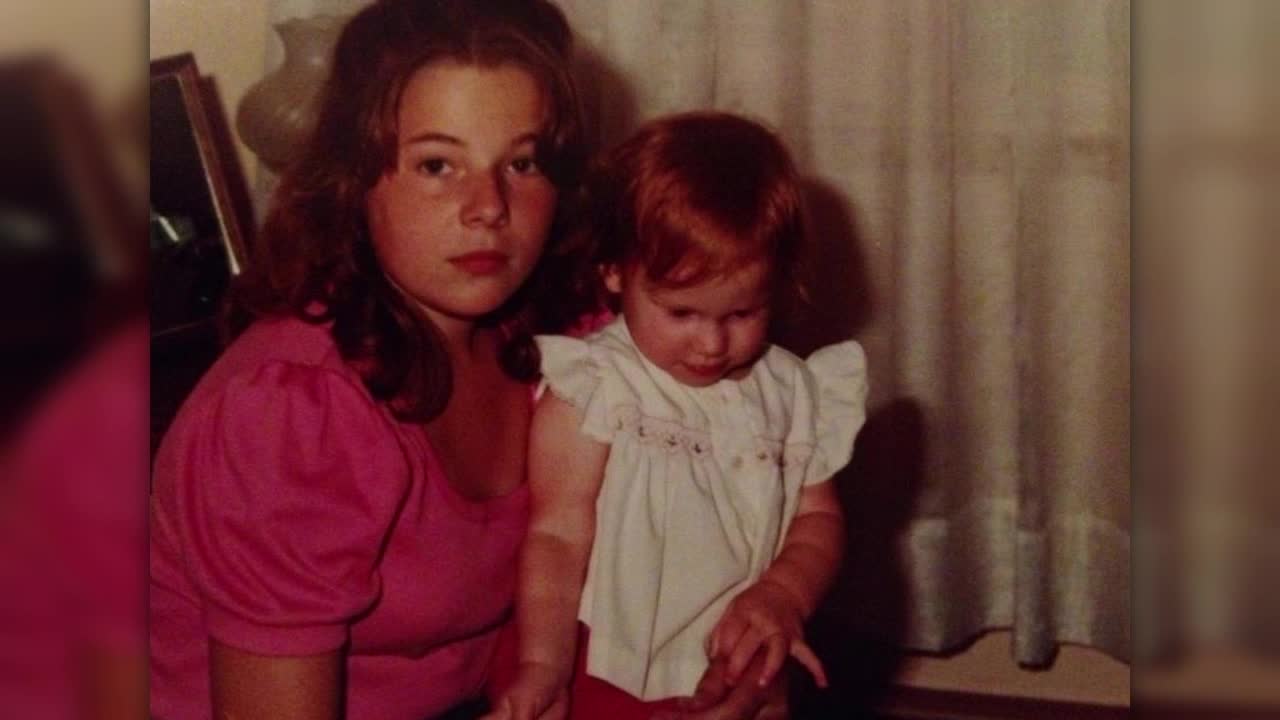
June wouldn’t realize until many years later that she had been trafficked by her mother. Sometimes for cash, sometimes a new furniture set. Because her story is not typical of sex trafficking, it’s one reason she’s so open to sharing.
“I know a girl, a survivor, who was trafficked for a pizza," said Haskell. "Trafficking looks different, and it doesn’t always involve violence in my experience. I wouldn’t have known what it was because it was familiar. It’s all I knew, and unfortunately that’s really common.”
Now a survivor herself, June travels the country and the world working with communities on how to spot trafficking and educating them about what it can look like, including working with women, girls and boys who have escaped the FLDS community.
“We can’t fight what we don’t recognize, and if we don’t see it for what it is," she explained. "And that’s why awareness is great, but action is where we really change things."
“Our survivor care is our North Star; that’s why we’re here," said Derek Benner, CEO of Our Rescue. "We’re here to support law enforcement, but also quickly pivot and support survivors on their journey.”
The mission of Our Rescue is to work in tandem with law enforcement to get victims out of precarious, dangerous situations and give them the tools they need for survivorship.
“We shouldn’t think that we can just arrest our way out of this problem," Benner said. "We need to really put an emphasis on the prevention, the awareness and training to harden our communities, harden our schools, our children against sex trafficking organizations."
How do you make everyday people feel like they can be part of the solution?
“Starting the conversation with some of the resources that we’ve provided makes it sort of an easy way to have a hard conversation about this because it’s certainly not something that’s pleasant to talk about,” shared Benner.
Unlike hers, June said home should be a haven where safety begins, but never think that it can’t happen in your backyard.
“Build trust with your kids so that if something does happen, they feel safe enough to come and talk to you about it," said June. "A huge part of the battle is not feeling shame because something happened to me, feeling safe to come and speak to you.”
