



SALT LAKE CITY — With deportations across the country and here in Utah, some organizations are seeing how "forgotten" family members are impacted, too. Whether it’s families having to self-deport or be forcibly removed from the United States, many of them have to leave their pets behind.
"Anecdotally, we know that we are seeing more pets surrendered, and more pets are coming to our clinics for vaccines and microchips in preparation for travel,” said Juli Ulvestad, the pet resource center director at the Humane Society of Utah.
Ruff Haven Crisis Sheltering in Salt Lake City helps people take care of their pets — whether it's keeping them temporarily while someone is experiencing homelessness or dealing with medical issues, getting food if they can't afford it, or a variety of other issues. And now, they are adding a new category of people to that list.
Kristina Pulsipher is the co-executive director and co-founder of Ruff Haven. She said a few weeks ago, a woman reached out to them while her husband was going through immigration proceedings.
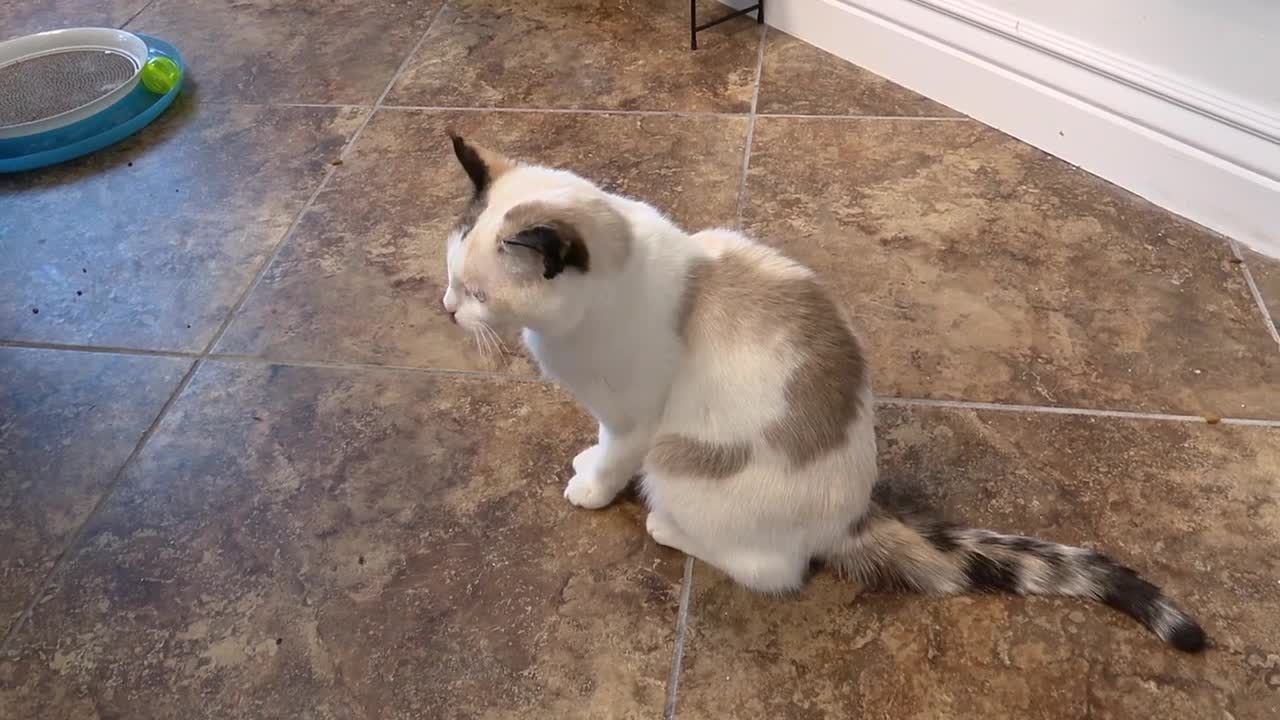
"[They] found out at that court hearing that he was going to be deported,” explained Pulsipher. “So, they chose to all join him as a family and that included their small, cute, little dog, Haru. And she reached out to us in a panic and wasn’t sure what to do."
Haru needed an international health certificate to travel, up-to-date vaccines and a plane ticket to travel with his humans — something that his family was struggling to afford with all their other costs.
"To then be uprooted and have to leave everything that you know and leave your companion animal behind, it’s just one more layer of trauma to add on to the situation,” said Pulsipher.
So, Ruff Haven stepped in to help.
They have been hearing from more families with pets after a loved one was deported or needs to self-deport.
"Unfortunately, their family member has already had to be deported and so they’ve been kind of stuck with these animals that they don’t know what to do,” she added.
Ulvestad wants to encourage people to plan to care for their pets if something drastic happens, and to get their pets microchipped to help with reunification.
"If you are deported or choose to self-deport, can you or will you take your pets with you? What do you need to do to prepare for that? Consider if your family is separated, and some are left in the United States and others are returned to their home country, who would be best to have that pet as a source of comfort?” she said.
She also wants to remind neighbors to look for pets that might be waiting for their loved ones to come home, but are not. You can find more resources from the Humane Society here.