

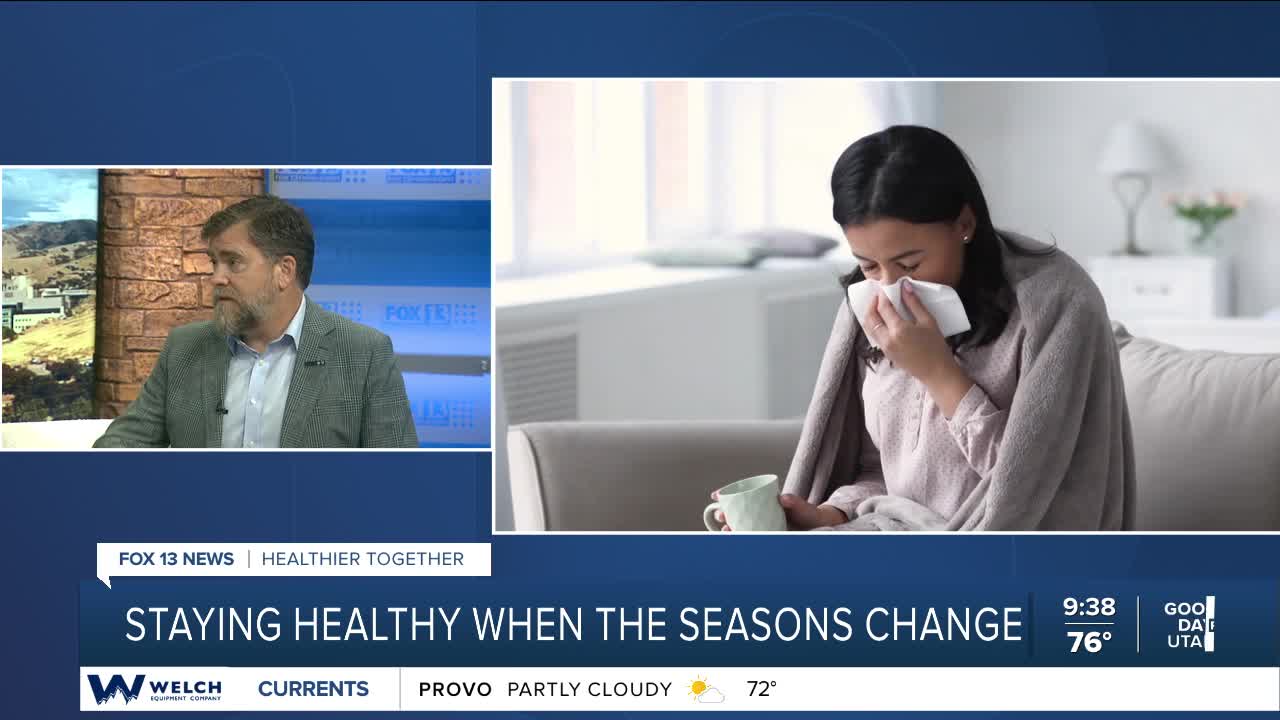

As summer gives way to fall, it is a good time to check in on your health. Getting recommended vaccines, paying attention to symptoms and protecting your sleep can help you navigate the change in seasons.
Prepare for flu season
The Centers for Disease Control and Prevention recommends a flu vaccine each season for everyone 6 months and older, with rare exceptions. For most people, September or October is a good time to get vaccinated. It takes about two weeks for protection to develop after a flu shot.
Think of it like preparing your car for winter: It helps to get ready before conditions get difficult. A flu vaccine can lower your chance of getting sick and reduce the risk of severe illness if you do get the flu. Ask your doctor or pharmacist whether you are also due for COVID-19, RSV or pneumococcal vaccines. Recommendations vary by age, health history and other risk factors.
Everyday habits matter, too. Wash your hands often, cover coughs and stay home when you are sick.
Know that not every sniffle is a cold
A runny nose or sneezing does not always mean you have a virus. Fall pollen and mold can trigger allergies that cause congestion, sneezing and itchy or watery eyes. Those symptoms, especially without a fever, may point to allergies, though symptoms alone cannot confirm the cause.
Checking local pollen and air quality reports may help you plan outdoor activities. Dry indoor air can also irritate your nose and throat. If symptoms persist, worsen or leave you unsure whether you are sick, check with a health care provider.
Give your body time to adjust to shorter days
Daylight helps regulate your body’s internal clock, which influences when you feel awake or sleepy. As daylight hours change, keeping a consistent sleep and wake schedule and getting outside in the morning can help support that routine.
Pay attention if changes in sleep, energy or mood continue or interfere with daily life. A health care provider can help you determine what is going on and what might help.
This story was reported on-air by a journalist and has been converted to this platform with the assistance of AI. Our editorial team verifies all reporting on all platforms for fairness and accuracy.