
When you look up caregiver nutrition, the results are all about how to feed the person you are caring for. That is important — we need to be aware of how to feed our loved one — but what often gets neglected is the nutrition of the actual caregiver.
What you don't often hear about caregiving is that it can make it difficult to take care of your own basic nutritional needs. Here is what many caregivers face:
- You will spend more time trying to cook for and feed your loved one than yourself or the rest of your family.
- You won't have extra time to cook for yourself.
- Any extra time you have will likely not be spent in the kitchen — it goes to sleep, laundry, or crashing on the couch.
- You often won't have the time or ability to eat proper meals while caregiving.
- Helpful suggestions like "eat when you feed them" or "meal prep or batch cook in advance" aren't always helpful or even realistic.
- Personal stress levels and the hands-on work of caregiving may keep you from having the ability or desire to eat.
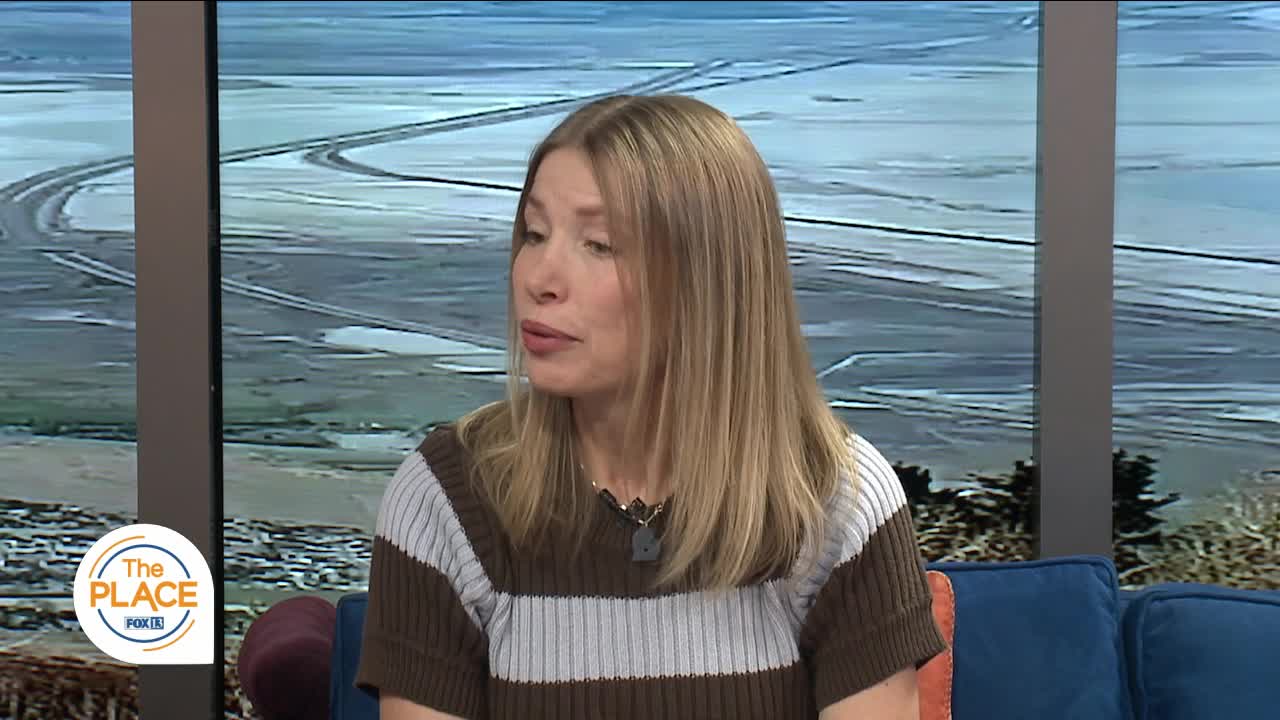
So what can you do? Trish Brimhall shows us some more realistic tips to help you stay nourished:
- Keep flexible expectations around food and mealtimes for yourself. Dinner may be a lot later — once your loved one is in bed or napping.
- Grab-and-go foods are OK. One-handed foods that you can keep in your purse or pocket may be what keeps you fed while you are in the middle of a caregiving stretch.
- Get creative with hydration. You may not be able to use your regular water bottle while caregiving. Something small and refillable that you can keep on your person may be a better option.
- One-handed produce and protein options are OK.
- Find some respite from family, friends, or respite care programs — and then enjoy a favorite meal or restaurant where you can relax and reconnect with your personal relationship with food.
- Give yourself grace. Nutrition may be less than ideal as a caregiver, and that is OK. You don't need food guilt piled on to your emotional plate.
Visit Trish here for more information.