
With Utah's record-breaking heat a lot of people are blasting their A/C... so how is Rocky Mountain Power keeping up with the demand?
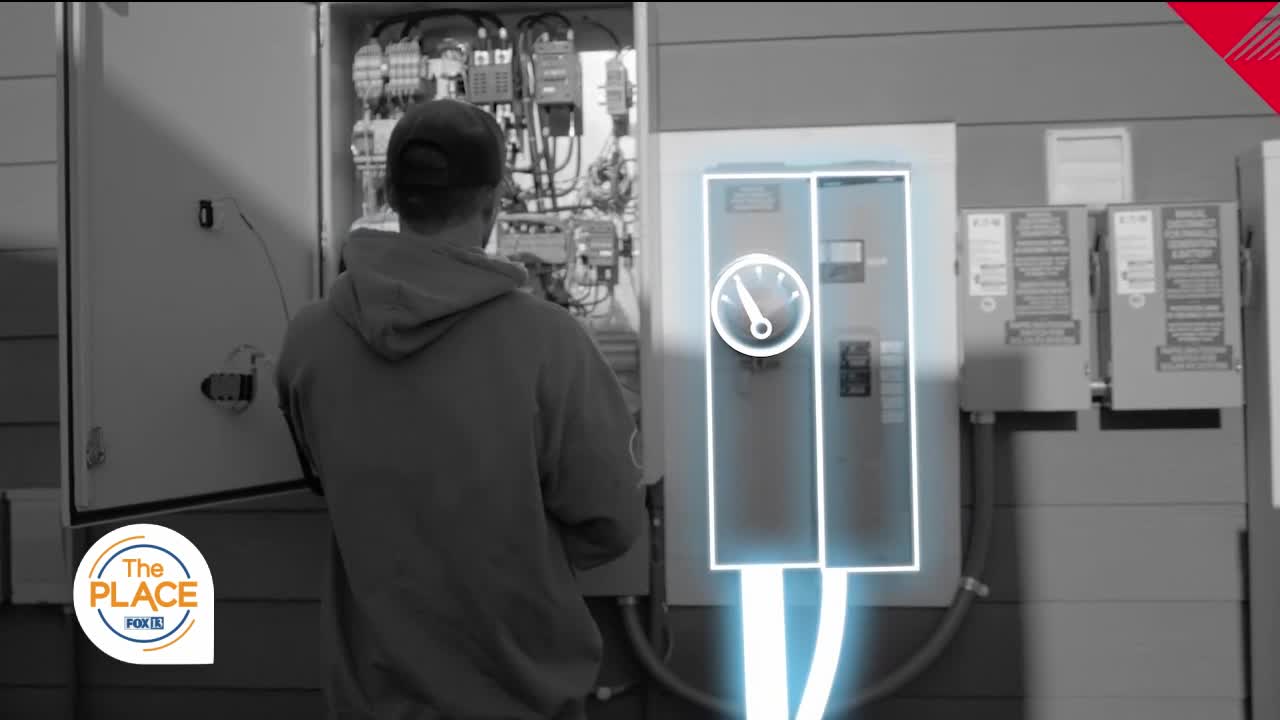
Bianca Velasquez says they have control centers across three states, Utah, Idaho and Wyoming, that help with demand response, which is the ability to temporarily reduce or shift electricity usage during periods of high demand or grid stress.
It helps maintain the balance between electricity supply and demand, supports grid reliability, and can reduce the need for additional generation and infrastructure.
Demand response gives grid operators another tool to help manage peak demand and respond to unexpected system conditions.
Bianca says control center operators continuously monitor grid conditions and work to keep generation and customer demand in balance.
Operators use forecasts, real-time system data, and coordination with generation resources to maintain system reliability.
Demand response programs can be activated during high-load conditions, reducing demand on the system and helping operators maintain reliability without impacting the broader grid.
Wattsmart Battery participants provide flexible energy resources that can support the grid during peak demand periods.
By discharging stored energy or reducing demand during targeted periods, battery resources help lower system peaks and reduce stress on the electric system.
Programs like Wattsmart Battery help maximize the use of existing grid infrastructure while supporting reliability and integrating more renewable energy resources.
Demand response and customer-owned battery resources are becoming increasingly important tools that help maintain grid reliability, reduce peak demand, and make better use of existing electric infrastructure.
You can learn more at Wattsmart.com.