
Earth Day is about celebrating and protecting the natural world that provides for us—and in Utah, few systems are more important than the Great Salt Lake.
The Lake isn't just scenery and protecting it is not separate from protecting our own health and quality of life.
Great Salt Lake is a living ecosystem that supports wildlife, clean air, water supply and Utah's economy.
However, ongoing depletion of the water sources that feed the lake, combined with prolonged drought, have severely threatened the health of the Lake and the ecosystem.
Low lake levels affect habitat, expose dust from the lakebed and create risks for communities along the Wasatch Front.
The health of the lake is also directly connected to the health of our communities.
Great Salt Lake plays a major role in air quality because healthy wetlands help keep dust and pollution out of the air we breathe.
When lake levels drop, toxic dust from the exposed lakebed can become airborne, increasing health risks for nearby communities.
The Nature Conservancy in Utah is helping lead the effort to protect and restore it through science, policy, and on-the-ground conservation.
The single most important thing for the Lake's future is protecting and increasing freshwater flowing into it.
That means improving how water is managed across the watershed and continuing to support practical water solutions.
The Nature Conservancy's work focuses on helping advance water policy, restoring wetlands and co-managing the Great Salt Lake Watershed Enhancement Trust with the National Audubon Society, an unprecedented state-supported effort to restore lake health.
Through that Trust and other work being led by the state, they are working to ensure that more water is reaching the Lake.
Wetland restoration is also happening at a meaningful scale—which shows that collaborative solutions can work.
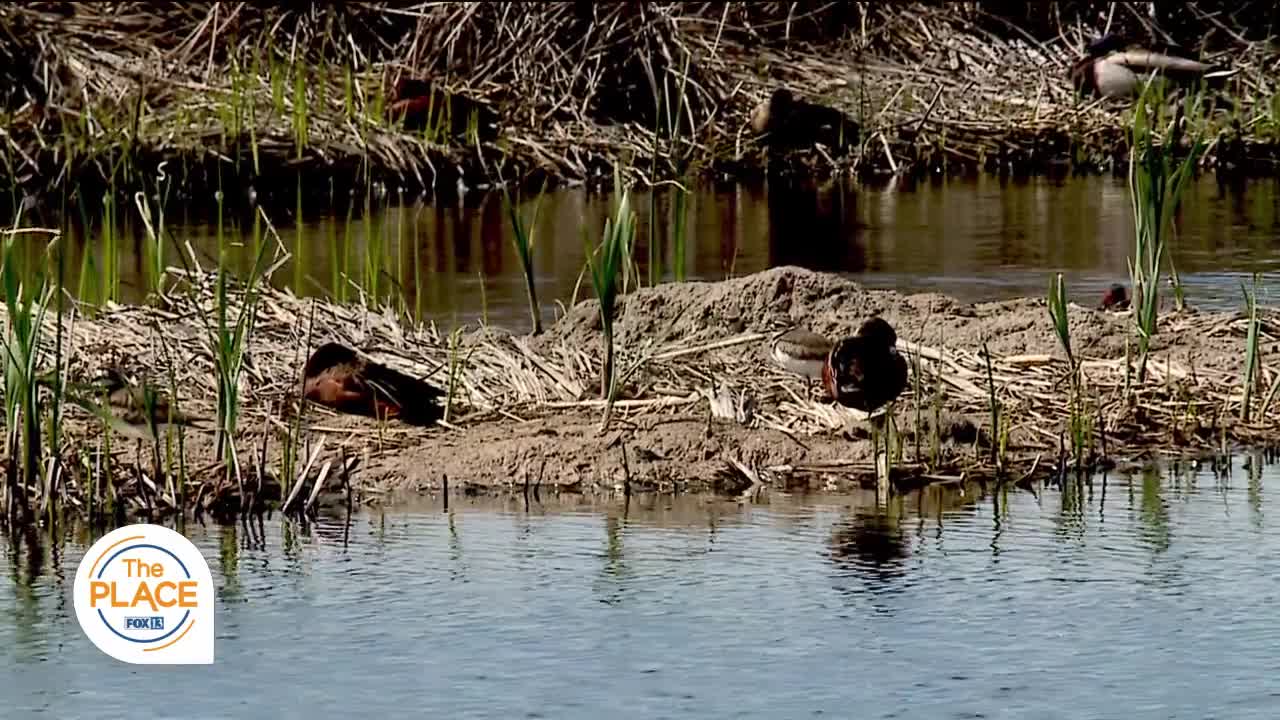
The wetlands at the visitor center which you can see as you drive in and as you walk around, has been expanded.
Since 1984, The Nature Conservancy has protected more than 12,000 acres of wetlands and uplands around the Great Salt Lake.
Regence BlueCross BlueShield of Utah is committed to help protect the health of Utahns and supports The Nature Conservancy's ongoing mission at Great Salt Lake.