
We've come out of another hot, dry Salt Lake summer and now we're into fall. What's been happening to the ground around our homes?
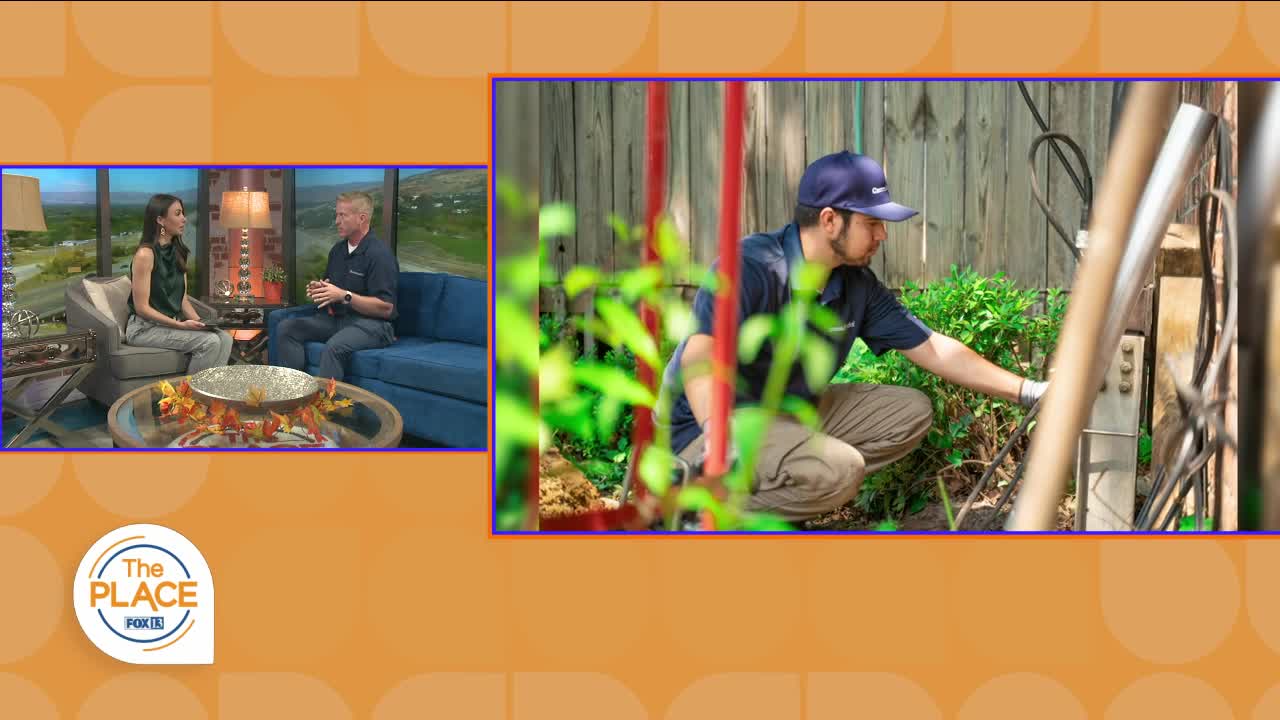
Tareq Butler, Certified Field Inspector for Groundworks Salt Lake City, joined us with the answer and what homeowners need to know.
He says during extended hot, dry conditions, soil loses moisture and can shrink or contract.
In some cases, homeowners may even see the soil pulling away from the foundation.
Your home relies on that soil for support.
When the soil changes, the support beneath the foundation can change with it.
That can contribute to settlement and movement in the home.
And even with moisture returning this fall, the soil doesn't simple go back to normal.
Tareq explains that shen dry soil begins taking on moisture again, it changes volume and can shift.
Some soils are more sensitive to those moisture changes than others.
That transition from dry to wet can mean another period of movement around the foundation.
You should look for these signs in your home:
- New or growing drywall cracks.
- Doors and windows that suddenly stick.
- Uneven or sloping floors.
- Gaps between walls, floors, doors, or windows.
- Outside, look for cracks in the foundation or stair-step cracks in brick or masonry.
One crack doesn't necessarily mean there's a serious problem. Change over time is what homeowners should pay attention to.
If you do notice a crack, don't just patch it and forget it. Take a photo or measure it so you can tell if it's changing.
Look for other symptoms elsewhere in the home.
If it's growing or you're seeing multiple signs of movement, have it evaluated.
The crack is a symptom; the important thing is determining what's causing it.
Tareq says not every crack requires foundation repair.
If the foundation has lost reliable support, piering may be recommended.
Piers bypass unstable soils near the surface and transfer the home's weight to stronger, more reliable support deeper below.
Groundworks offers free inspections to determine what's happening and whether repair is needed.
The goal is long-term stabilization—address the movement rather than continually repairing the symptoms it creates.
For more information visit Groundworks.com.