



SALT LAKE CITY, Utah — A frozen pipe can turn into a costly repair, and homeowners may not discover the damage until water starts flooding their home. With increasingly cold temperatures moving into Utah, experts say now is the time to take a few simple steps to protect your plumbing and heating systems before winter settles in.
One of the easiest ways to prevent a plumbing headache starts outside your home.
WATCH | Utah homeowners: Simple steps now could prevent costly winter damage
Disconnect garden hoses to prevent frozen pipes
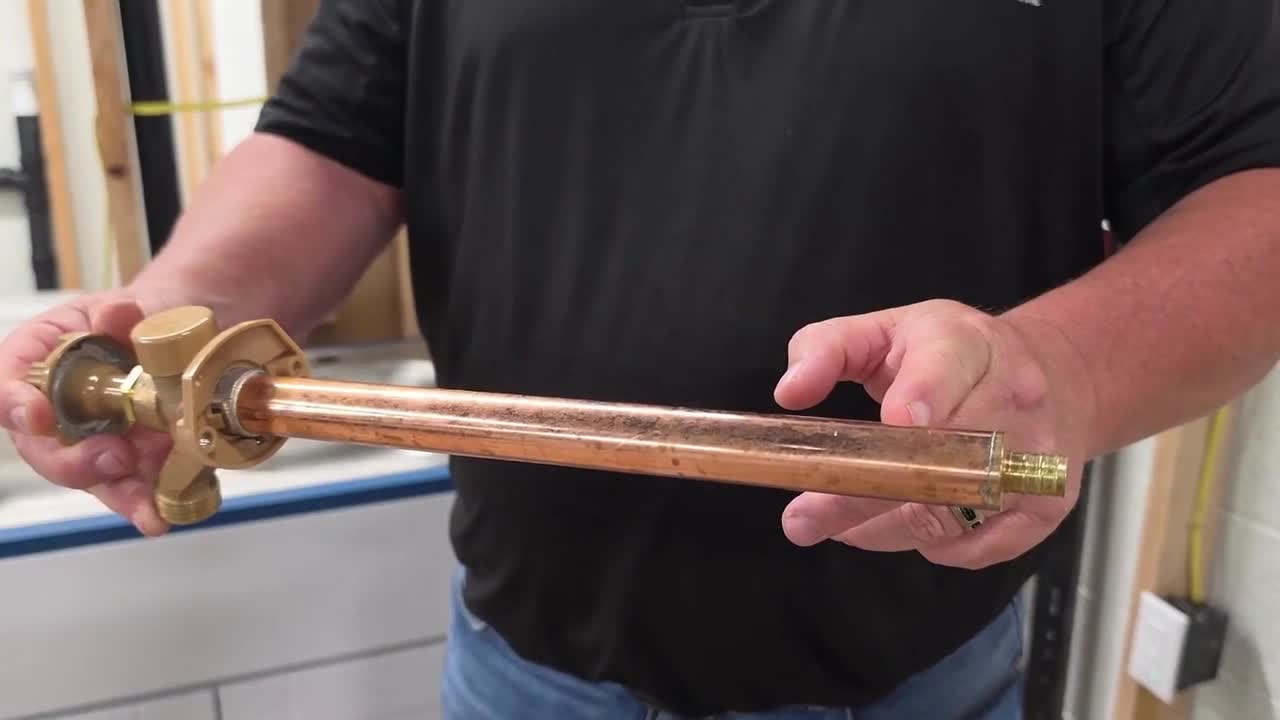
Bill Schietzelt, trade manager for Whipple Heating, Plumbing and Air, says disconnecting garden hoses from exterior faucets is one of the most important steps homeowners can take before freezing temperatures arrive.
Leaving a hose attached can trap water inside the faucet and the pipe behind it. When that water freezes, it can cause the pipe to split inside a wall or another concealed area.
The damage may not be obvious right away. Schietzelt says homeowners might not discover the problem until they turn the water back on in the spring, potentially leading to a major leak and water damage inside the home.
Disconnecting hoses before freezing weather arrives can help prevent that problem.
Check exposed pipes and sprinkler systems
Outdoor faucets aren't the only concern when temperatures drop. Homeowners should also check for exposed plumbing in areas such as garages and crawl spaces, where pipes may be vulnerable to freezing.
Insulating exposed pipes can provide additional protection during cold weather.
It's also important to properly winterize sprinkler systems before freezing temperatures become more frequent. Draining the system and following the manufacturer's winterization recommendations can help prevent water from freezing inside irrigation lines and causing damage.
Get your furnace ready for colder weather
As temperatures fall, home heating systems will soon be working harder. Schietzelt recommends taking care of your furnace now rather than waiting until the coldest weather arrives.
Preventative maintenance and regular filter changes can help keep a heating system operating properly throughout the winter.
A common recommendation is to replace furnace filters every three to six months, although some homes may need more frequent changes depending on the filter type, household pets, and indoor air conditions. An annual professional furnace inspection can also help identify potential problems before the heating system is needed most.
This story was reported on-air by a journalist and has been converted to this platform with the assistance of AI. Our editorial team verifies all reporting on all platforms for fairness and accuracy.