

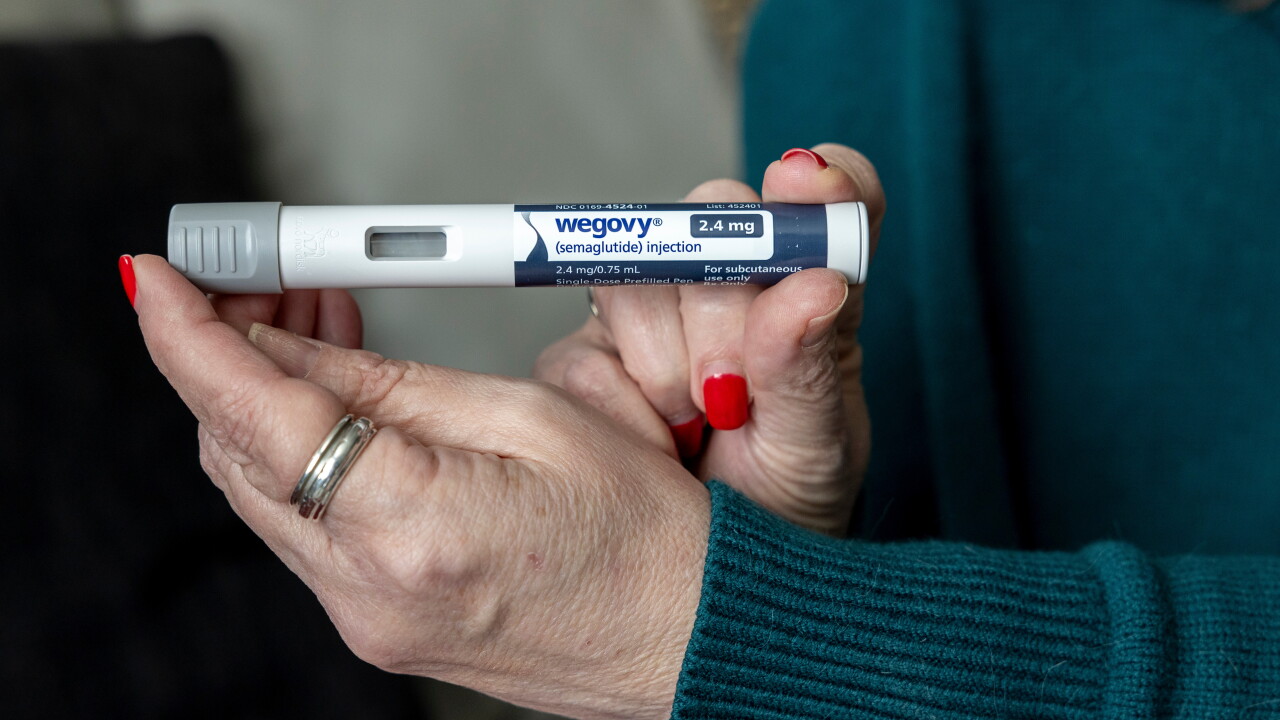


Popular weight loss drugs, including Ozempic and Wegovy, will carry a new warning about a possible rare side effect that can sometimes lead to permanent vision loss, U.S. health regulators announced Monday.
The Food and Drug Administration said the risk will be added to the labeling of all GLP-1 drugs, the blockbuster medications used to treat obesity, diabetes and several other medical conditions. The class includes a dozen injectable or pill-based drugs, including widely used brands like Zepbound and Mounjaro.
RELATED STORY | Could GLP-1 drugs be anti-aging medications?
The eye condition, known as non-arteritic anterior ischemic optic neuropathy, can cause significant vision loss. The problem, which has been reported with all GLP-1 drugs, occurs due to decreased blood flow to the optic nerve, although the underlying cause isn't understood, the FDA said.
FDA scientists began looking into the problem after the publication of a 2024 medical paper tying the condition to certain patients taking semaglutide, the active drug in Novo Nordisk's Ozempic.
An FDA analysis of more than 125 clinical trials found that the problem occurred in roughly 6 of every 100,000 patients who took a GLP-1 for at least one year. The comparable rate for people taking a placebo or other types of glucose-lowering medications was less than 4 per 100,000, the FDA said.
RELATED STORY | Stopping GLP-1 drugs may raise heart attack and stroke risk, study finds
The agency also found reports of the problem in its electronic tracking system for drug injuries and side effects.
Symptoms of the problem include blurred vision, blind spots, distorted colors and other visual disturbances, according to the FDA. Patients experiencing such problems should contact a health care professional immediately, the agency said.
