



SALT LAKE CITY — We all know it’s the season of giving, so you might be in a particularly charitable mood.
These days, it’s not just the Salvation Army red kettle bell ringers pining for your donations, but several charities that now have moved their campaigns online, making it easier for you to contribute.
But some “charities” aren’t really about the “ho ho ho” — more like no no no.
“Oftentimes, it would be a well-known topic or an issue that pulls at people’s heartstrings, but the charity itself is one you may not have heard of previously,” said Blake Young, the assistant director for the Utah Division of Consumer Protection. “That’s because scammers are aware of the types of charities that draw the most fundraising interest, so our advice would always be to make sure you vet the charity before you give them money.”
There are several organizations that we all are familiar with. But what if you come across one you haven’t heard of, but the cause speaks to you?
After all, who can say no to a sad puppy at Christmas time?
“We would always recommend looking to see if it’s a charity that’s been in the news or that had visible charitable activities previously,” said Young.
That’s an easy tell from a quick internet search, but there are red flags to look out for.
How is this charity asking you to pay? Young says wire transfers, cryptocurrency and gift card payments are usually associated with fraud. He suggests if you’re going to donate, use a credit card or a check.
It’s also a good idea to keep track of when you donate and who you donate to.
“There could be tax advantages which we all like, but also, that way you know where your money went, and in the future, if you had questions about whether or not that charity was legitimate, you would know who to look into to see if it was in fact going to the right charity,” said Young. “You could also be contacted by charities in the future who claim that you donated to them when that was not the case. If you know which charities you’ve donated to, that helps you filter that out.”
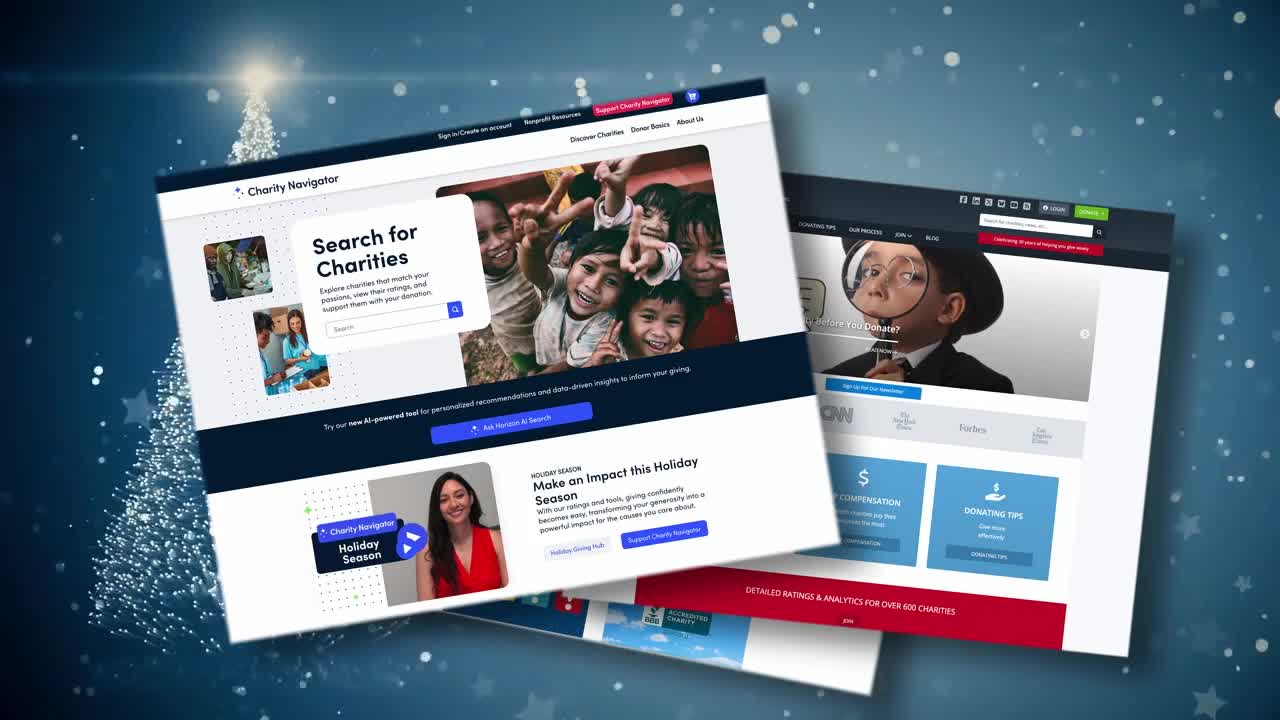
There are resources to help you research who’s naughty or nice. Sites like Give.org, Charity Navigator or Charity Watch either rate charities or offer frequent consumer updates.
Also, be wary of crowdfunding sites where the organizer controls how the money is spent — like GoFundMe, one of the most popular crowdfunding platforms.
“Anyone can make one, which includes the bad actors,” said Young. “Always be sure that the person who’s hosting in crowdfunding is someone who’s actually affiliated with the person who should receive the funds and if the funds are going to go to that purpose. It’s a very good idea to make sure that that really is the group that you think you are donating to and the one who’s making the pitch.”
It helps to investigate whoever is making that pitch. Search their name and the project along with terms like “complaint” or “scam”.
Look out for stolen content — scammers may copy and paste someone else’s story along with their photos.
And check the fine print — trusted online platforms should clearly state where your money goes, the fees, and how long it takes the charity to receive your donation.