

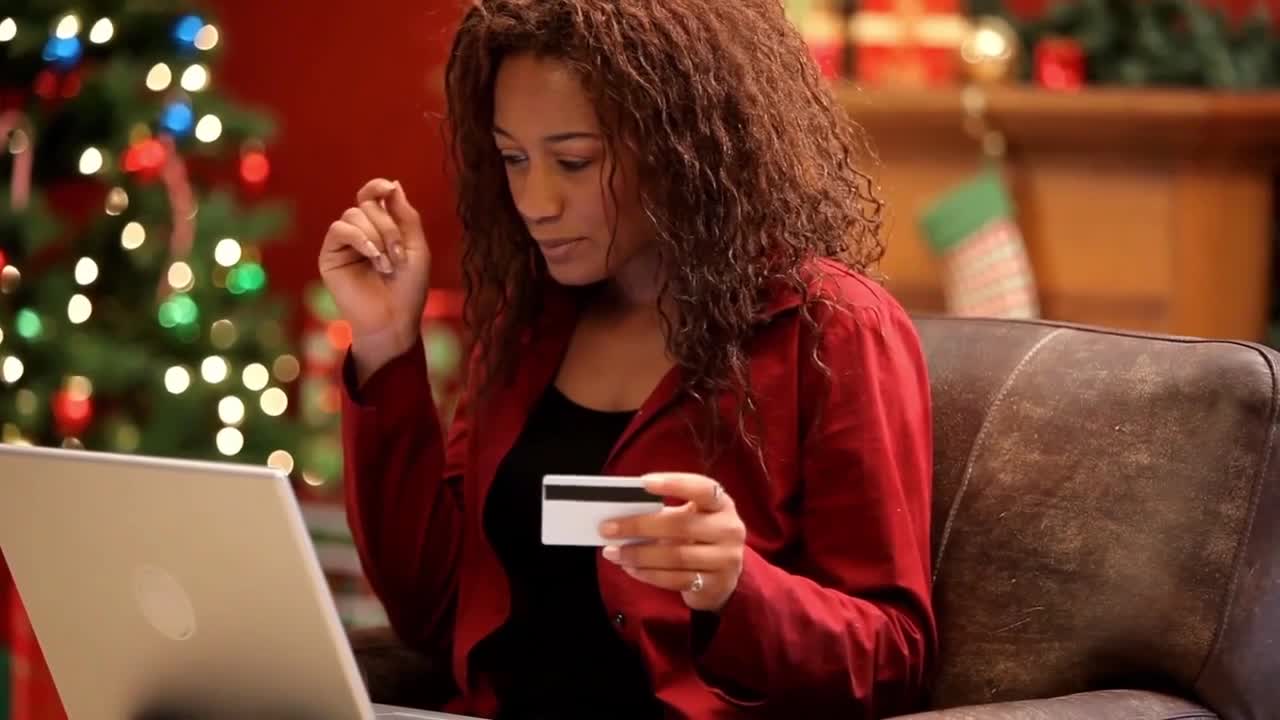


SALT LAKE CITY — Whether you’re decking the halls with boughs of holly, roasting your chestnuts on an open fire, or asking Santa for your two front teeth, chances are you want the holly, chestnuts, and teeth to be real.
As you merrily scroll your phone in search of the perfect gifts for your friends and family, make sure you don’t fa la la la fall for a dupe.
“Unfortunately, even a legitimate site, they’re trying their best to police the counterfeits that are on their sites,” says Frank Cullen, the executive director for the Council for Innovation Promotion. “You still see counterfeits getting into supply chains, and that’s not even to discuss the unscrupulous criminals, who try to take advantage of consumers, particularly during the holidays.”
Cullen says you might be looking to steal a deal, but scammers are looking to do the same thing at your expense. “With the ability to digitally reproduce images, they’ll simply rip an image, slap it into a new counterfeit website, and the consumer will just have a very tough time seeing what they’re actually getting,” says Cullen.
Long gone are the days when you had to go to a big box retailer to nab those presents. Sites like TikTok and Instagram peddle products that seem fun and unique, but chances are, they may not exist.
“Very often they’ll stand up what look to be very legitimate sites that are completely fake. They redirect consumers to sites that not only peddle counterfeit goods, but may also allow for them to steal their personal information, their financial information, information about their family,” says Cullen. “So this is a very serious problem.”
And it’s a safety issue, many counterfeits are made in inadequate conditions, often using child or forced labor. They’re usually made with dangerous materials like lead, certain dyes that can irritate skin, or batteries that catch fire and explode, all very harmful to consumers.
“We’ve seen many people suffer serious injury, even death, because of counterfeits,” says Cullen. “Typically, during the holiday season, some of the most popular items are going to be electronics, toys, luxury brand goods, and even personal care items. All of those can be made with substandard or even dangerous materials.”
So how do you avoid these Grinches?
First, if it says it’s “discounted” or if it seems cheaper than you know the price would be, it’s probably too good to be true.
Next, verify the seller you’re doing business with. Even legitimate sites like Amazon, Etsy, and eBay do allow third parties to sell products on their sites, making it difficult to verify third-party sellers.
Visit the actual brand’s website to see if everything matches up, but it’s best to buy directly from the seller. Look for trademarks or certificates of authenticity. And although criminals are clever, sometimes they’re sloppy.
Something as simple as a grammar or spelling mistake in the description of the product or other quality-related errors on the website, like fuzzy pictures or a font that doesn’t match the font that you’ve associated with a particular vendor, are signs you should not buy.
But say you happen to open a box of disappointment, what should you do?
“If you do receive a fake counterfeit, if you dealt with a legitimate or reputable seller, the likelihood is that they’ll work with you, because they don’t want to have their brand or their store’s reputation damaged because they become known as peddling fakes and counterfeits,” says Cullen. “You really want to make sure you record it and try to see if they’ll provide you with some kind a refund.”
Remember, this is not a victimless crime. Reporting your experience not only helps you, but also other consumers. If you do choose to report a counterfeit product, you can report it to the Federal Trade Commission or the Consumer Product Safety Commission.
Or even report it to local law enforcement, some departments have entire divisions dedicated to busting these counterfeiters.
