



SALT LAKE CITY — If you ever find yourself in an uncomfortable situation with someone who is supposed to be a professional but is acting anything but, what do you do?
While the Utah Division of Professional Licensing has a reporting system, they’re taking it a step further in an effort to tackle the rise of sexual misconduct complaints. The agency has seen an increase over the past couple of years in sexual misconduct complaints, but there isn’t one case in particular that led them to create a task force to put more eyes on the issue.
“We’ve just noticed an increase in cases across the professions,” said Assistant Director Jan Johansen. “We’re looking at specifically nursing, chiropractic, massage, mental health, medical, just any of those touching, more involved professions.”
One of the most notable instances of sexual misconduct as of late is that of former OBGYN David Broadbent, who faced numerous felony charges accusing him of sexually abusing patients.
More than 450 women filed civil lawsuits against him.
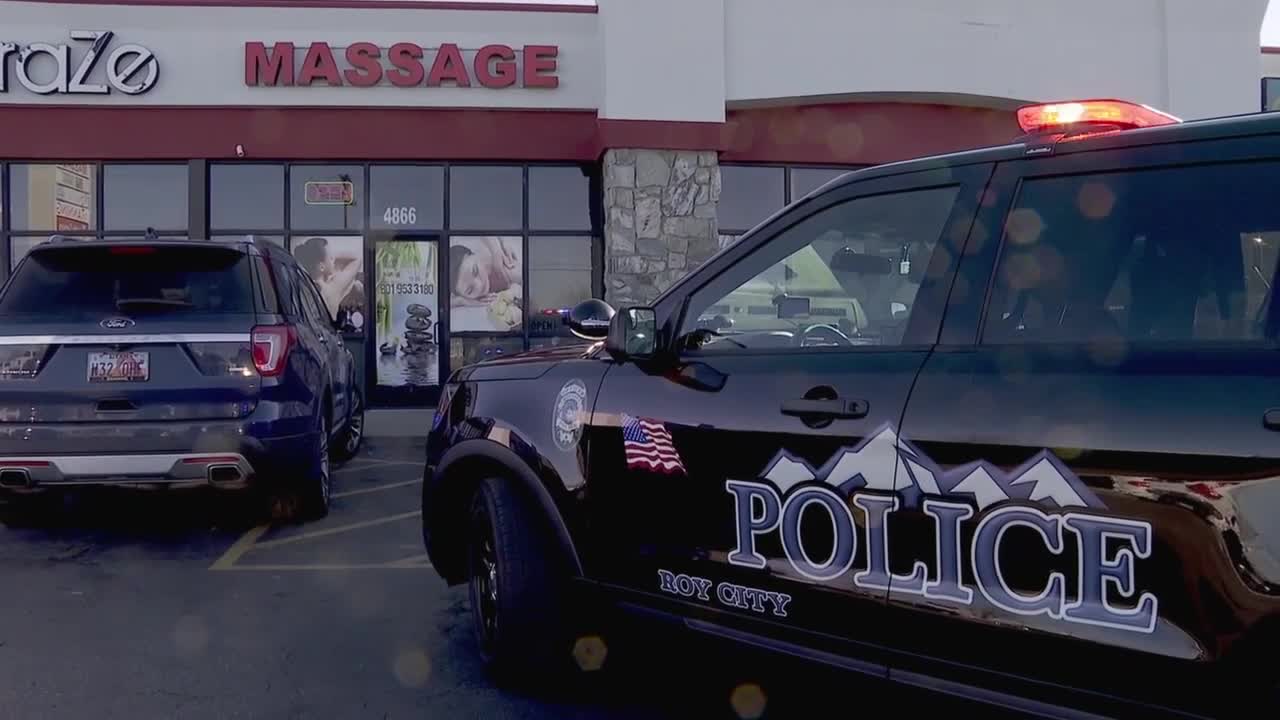
Earlier this year, the department announced new ways it would crack down on sexual misbehavior in massage parlors.
Anonymous tip leads to massage parlor busts in Cottonwood Heights:
When sexual misconduct cases are reported, the case is given an initial review by the department, given a priority ranking, and then it goes straight to investigators. They usually try to wrap the case in no more than 30 days, but Johansen says there are ways to improve upon what they’re already doing.
“We are hoping that we can get an outside look at our policies and processes to see if there’s any holes in it,” she said. “When you’re working on the inside of something, you don’t see all of the holes that there might be, and we’re hoping some outside eyes will help to see these kinds of gaps in our process.”
The goals of the task force include developing a “unified inter-agency protocol” that standardizes the process for sharing and cross-referencing reports among state agencies. The protocols would include creating a “survivor resource map,” a digital resource to help survivors navigate available criminal, civil, and administrative options, implementing public awareness initiatives like mandatory training for licensed professionals and state agencies, and compiling a list of recommended statutory changes.
“It’s really important to know what your provider, whether it’s mental health or doctors or nurses, chiropractors, you need to know what they’re able to do, what their scope of practice allows them to do and by looking at the DOPL website, looking through the laws and rules or even just calling in and speaking with someone who works with that profession, we can help you understand what their scope of work is,” explained Johansen.
All complaints, including sexual misconduct, can be filed HERE. Any resources and tools developed by the task force will be shared on the Division’s resource page for consumers. Licensed professionals will be emailed about any changes that directly impact them.