



SALT LAKE CITY — You may have noticed an uptick in calls with numbers you don’t recognize, creating some not-so-silent nights for you this holiday season.
But it is the time of year when your favorite cousin or your chatty aunt will reach out to catch up and wish you a merry Christmas, so a number you don’t have saved may not seem strange.
Scammers know this and they’re ready to strike, posing as someone you know.
According to Utah Division for Consumer Protection Director Katie Hass, there’s one family member in particular they love to impersonate.
“A voice bot or a person that sounds a lot like a grandchild calls the grandparent and acts as if there’s an emergency and they need money quickly,” said Hass. “The grandparent usually is told that they shouldn’t call mom and dad and that they’re trying to keep it quiet.”
The jig is they pretend to be in distress, for example, they say they’re in jail or their car has broken down and they’re stranded, any excuse they can use to make you panic and send them money.
The ploys have become more realistic.
“A.I. has gotten very good at mimicking in real time the voice of a child. If your child is anywhere on the internet, your grandchild and most of our teens are and they have any recording of their voice out there, it only takes about 20 seconds for A.I. to pick up your speech patterns,” said Hass. “The A.I. model can also be trained to respond to questions that the grandparents may have. Where are you? What’s going on? What’s your name? Any information that they glean from that child’s profile online can be used to train the A.I. to then perpetuate this scam.”
Our digital footprint gives fraudsters all the details they need to try to trick us.
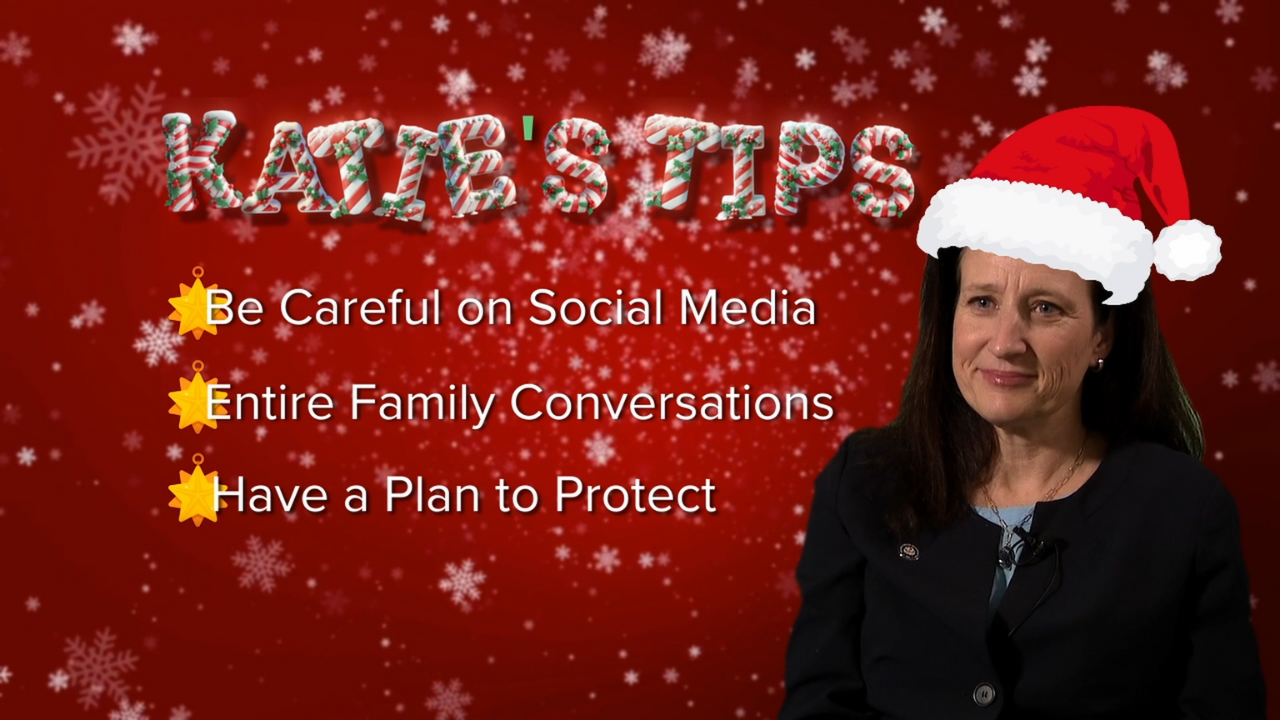
It’s one reason why Hass urged caution about what is posted on social media.
She advised that you have conversations with not just the older adults in your life about what they post, but kids too.
In the meantime, one of the best ways to stay ahead of the fake family frauds is to have a plan.
“There should be a question and an answer, a password maybe, that you as a family can set that’s going to do two things,” said Hass. “One, if everyone knows the question and the password and that’s not anywhere recorded, then that is the first thing that grandparent is going to do. It is going to be the trained response for when you get that urgent request.”
Another tell-tale sign it’s a grandparent scam is if they ask for non-traditional payment like cryptocurrency or gift cards.
She said if you get an email or text with this request, directly call the person they claim to be and verify for yourself.