



October brings Breast Cancer Awareness Month into full focus — a powerful reminder of the thousands of lives changed by the disease each year. But for those who lose a loved one, navigating life after loss can be a quiet, ongoing battle.
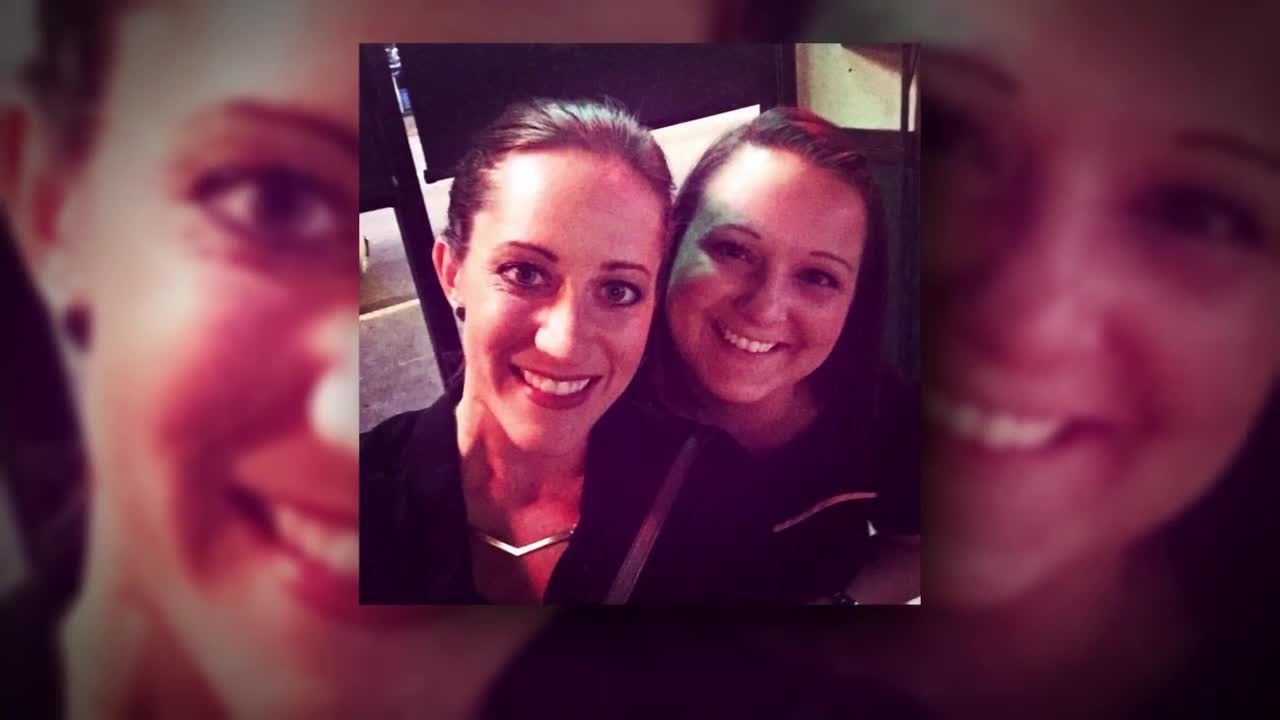
For Christa McGraw, Breast Cancer Awareness Month is personal. It brings memories of her college friends Kelly and Amber, two young mothers who were diagnosed with breast cancer in their mid-30s.
"Kelly and Amber were great friends in college and both just exceptional people, wonderful mothers, and somehow through their fight against cancer, kept very selfless and steadfast in keeping their families first and foremost," McGraw said.
McGraw watched her friends try to keep life as normal as possible for their children while balancing doctor's visits and treatment. Her friend group traveled to Chicago, where both Kelly and Amber lived, and helped with simple tasks that can become overwhelming during cancer treatment.
Both women later passed away. And while their battles ended, McGraw says her connection to them didn't.
"I think a lot of it is about keeping their memory alive," McGraw said.
For McGraw, that means watching their children grow and seeing pieces of their mothers live on through them.
According to clinical psychologist Timothy Fowles, grief doesn't follow a simple timeline.
"There's not a right way to grieve," Fowles said.
Fowles understands cancer from both a professional and personal perspective. His son was diagnosed with a soft-tissue cancer at 9 years old. His son is now in remission, but Fowles says the experience taught his family the emotional effects of cancer can continue even after treatment.
"I think you need to process it, but there's a difference because some people process very silently and very privately and some people process very loudly and very socially and neither is right or wrong," Fowles said.
Healing can mean acknowledging what has been lost and learning how to rebuild life around that loss. But understanding it doesn't necessarily make it disappear.
"That's one of the, I think, misnomers about grief is that, well, I'll work through it, and then I'll be done with it. But it doesn't really end. It keeps going. It just transforms," Fowles said.
For McGraw, part of that transformation has been turning grief into action. She plans to walk in Making Strides Against Breast Cancer of Utah in memory of Kelly, Amber, and another friend, Beth, who also died from breast cancer.
Remembering her friends also means encouraging others to pay attention to their health.
"Diagnoses are happening younger and younger. I'm unfortunately not a unique example in that I've had so many friends diagnosed, fought, and unfortunately lose their battle with breast cancer at such a young age." McGraw said.
Behind the pink ribbons are people like Kelly, Amber and Beth. And for the people who love them, grief may never completely disappear. It can, however, change into something else: remembrance, awareness and action.
This story was reported on-air by a journalist and has been converted to this platform with the assistance of AI. Our editorial team verifies all reporting on all platforms for fairness and accuracy.