

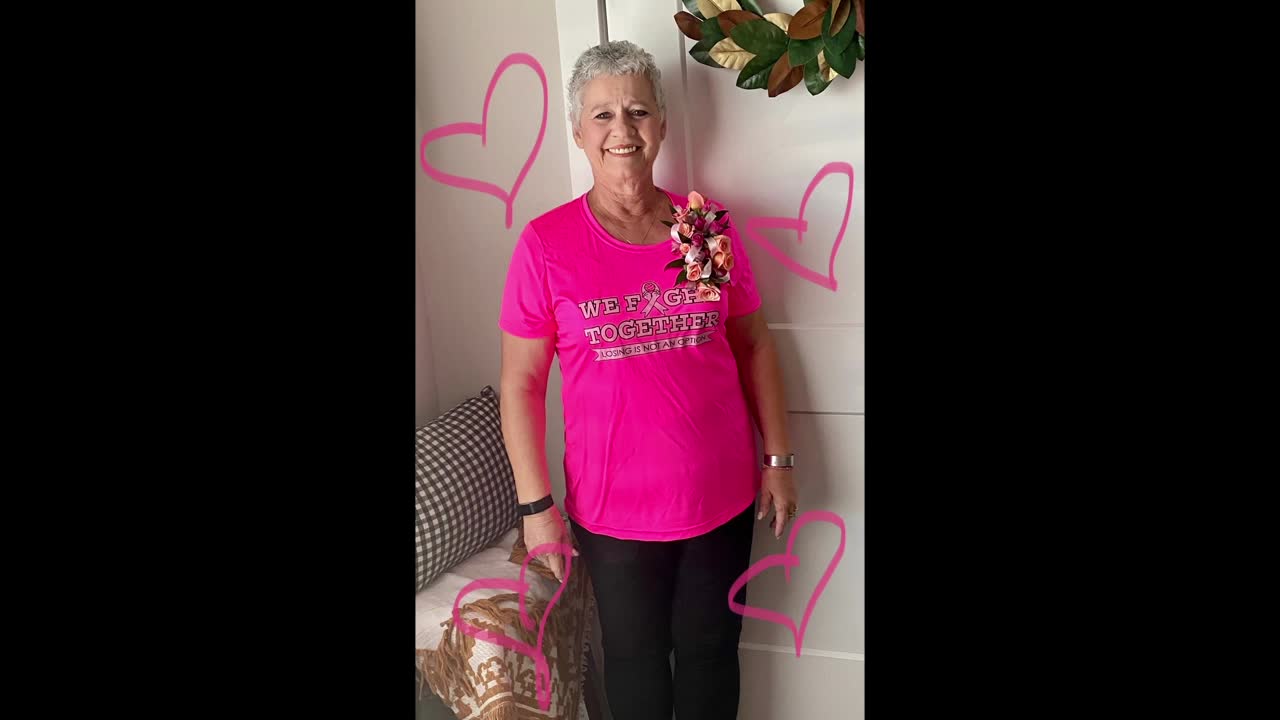


PAYSON, Utah — For Vickie King, getting a mammogram wasn't something she took for granted.
She knew the importance of screening from personal experience. King lost her mother to breast cancer when she was just 40 years old.
“She never went,” King said. “And then when she went, it was already into her lungs.”
That experience motivated King to stay diligent about her own breast health.
Seven years ago, a routine mammogram found something concerning.
King was diagnosed with breast cancer in 2019 after doctors found calcifications — something she said she would not have been able to feel herself.
“I know they typically are looking for lumps,” she said.
That's one reason breast-imaging providers emphasize the importance of regular screening.
“Patients won't feel it, but we can find it,” said Amy Dalton, marketing director for Solis Mammography in Payson. “And that's why it's so important to get those annual screenings.”
According to the Utah Department of Health and Human Services data based on the CDC's Behavioral Risk Factor Surveillance System, 63.8% of Utah women age 40 and older reported having a mammogram within the previous two years in 2022.
That placed Utah 44th nationally.
For women living in rural areas, access can be another challenge. Solis Mammography in Payson serves women from communities across central Utah, including Price, Delta, Genola and Goshen.
Dalton said women do not necessarily need a doctor's order to schedule a screening at the clinic.
“You don't have to have an order to get it. You just come in and get it done,” Dalton said.
She said a screening mammogram can take 10 minutes or less.
King ultimately underwent a double mastectomy and chemotherapy.
She remembers one particularly difficult part of treatment.
“After my second treatment, I lost my hair,” she said.
Through it all, she said the support of her family and community helped her get through treatment.
Today, King is seven years cancer-free.
She is a wife, mother, grandmother of 18 and great-grandmother of five.
She wants other women to learn from her experience and not put off a screening.
“Early detection, it is so, so, so important,” King said. “If not for you and your health, for your families. They want you here.”
For King, that message is deeply personal.
She said the mammogram that found her cancer gave her the chance to get treatment and ultimately more time with the people she loves.