



FILLMORE, Utah — Weekend storms put some central Utah communities to the test, including areas still dealing with the aftermath of a massive wildfire.
In Millard County, crews began building flood protection while the Widemouth 2 Fire was still burning. This weekend, that work faced its first real test.
Fillmore Mayor Curt Hare said the community saw a significant flow of water and a surprising amount of debris Saturday. The water and debris flowed into Wildlife Park in Fillmore, but Hare says the flood mitigation work already underway helped prevent major problems.
WATCH: Fillmore residents fill their sandbags as recent downpour threatens to flood
“There’s been a number of structures built to take the debris out, which then allowed the clear water to come through,” Hare said. “Otherwise, there was a potential of that debris getting caught in bridges and causing some flooding.”
One of the debris basins built to protect the community was put to work during the storm, catching material before it could move downstream. Hare says high-water marks show how much water and debris moved through the area before it was diverted.
“So far, so good,” Hare said. “We have been very fortunate, the amount of work that has been completed by some incredibly talented folks.”
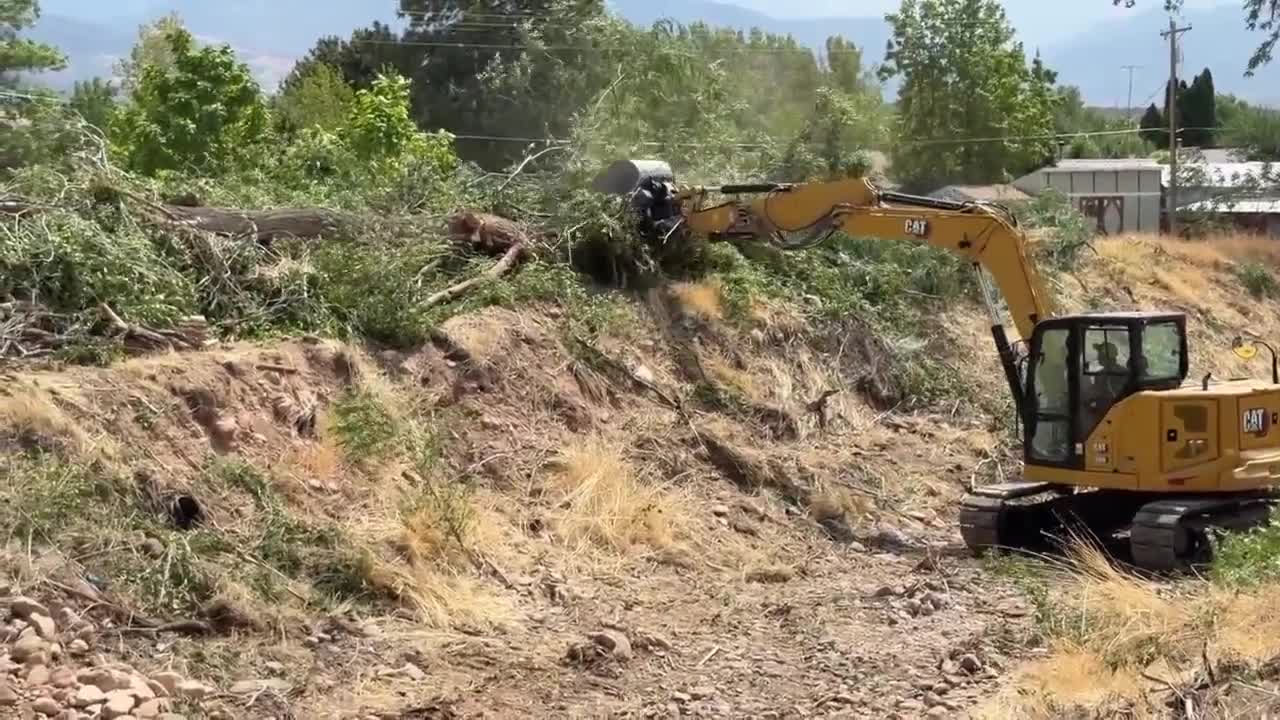
The mitigation work has included clearing Chalk Creek, the main waterway coming down the impacted canyon, fortifying bridges, planning overflow and diversion routes, reinforcing diversion dams, and installing hundreds of concrete barriers along banks and near bridges.
The goal is to help protect against erosion and keep rushing water from spilling into town.
“The good thing is that we’ve had these structures tested now,” Hare said. “We know that they work, we know that they take the debris out of the water, allow the water to flow free, which makes it much easier to get through town.”
The Widemouth 2 Fire burned roughly 130,000 acres in Millard and Sevier counties before becoming largely contained.
Hare says officials knew the flood threat could become a major concern even before the fire was fully contained.
“As the fire was still burning, we could see the potentials, where the planning began before the fire was out,” Hare said. “As soon as we could get safely in, the work started.”
He says communities including Meadow and Kanosh, as well as the Kanosh Band of the Paiute Nation, have also been working to prepare for potential flooding and debris flows.
Now, local officials are facing another challenge: paying for the work.
Crews have put in overtime hours, purchased construction materials and rented equipment. Hare says the costs are mounting, and local leaders are working with county and state officials to find a way to cover those expenses.
“It is a daunting task that we are addressing,” Hare said. “Fortunately, the state and county, you know, we've been working together to see how we can address those costs.”
Governor Spencer Cox visited the area earlier this month as local leaders were already discussing the need for flood mitigation.
“The fire is concerning, but the flood risk is years of concern,” Hare told FOX 13 during that visit. “We’re trying to get measures in so we don’t go through what Beaver just went through.”
Beaver County experienced major flooding after the Cottonwood Fire destroyed much of the mountains there this summer. Communities are still cleaning up.
For Fillmore, this weekend's storm provided an early test of the flood protection work — and, so far, officials say the preparations appear to be working.