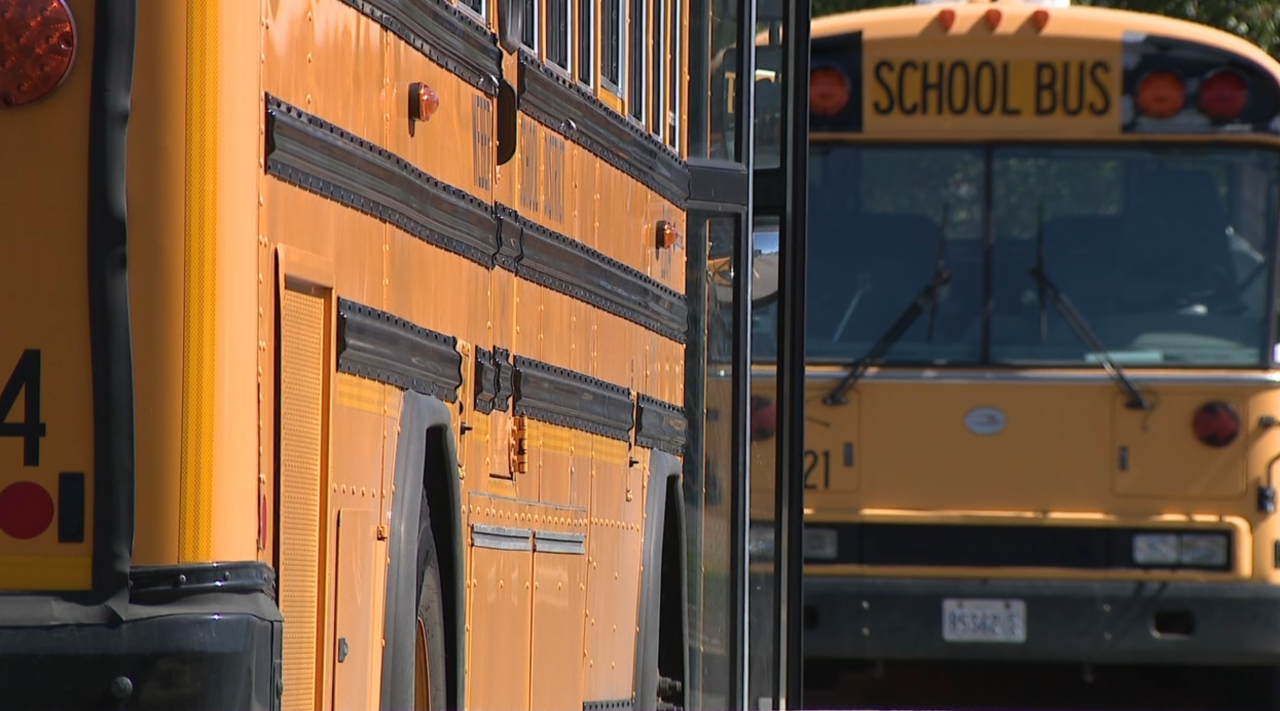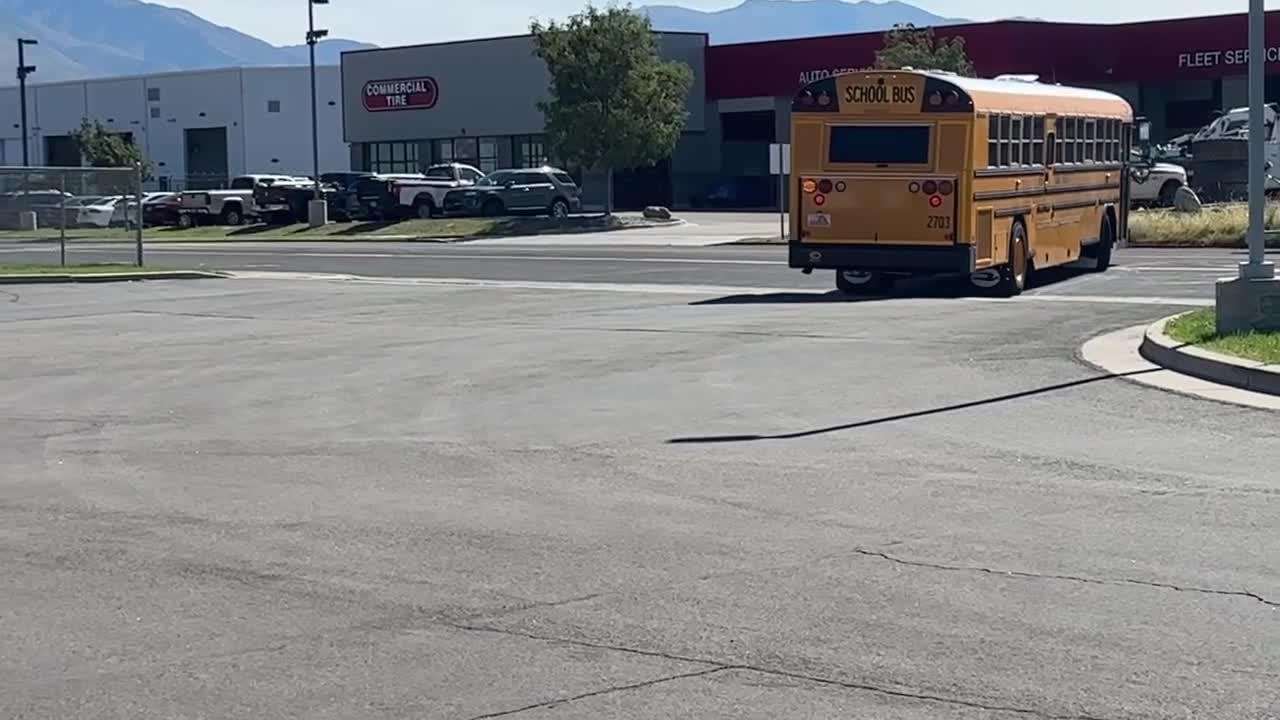


UTAH — The wheels on the bus go round and round and so do gas prices.
As diesel prices continue to skyrocket, how are big vehicles like schol buses managing their gas budgets?
“We run about 153 routes every day, morning and afternoon, special events. We also have Driver's Ed, we have maintenance vehicles," says Lane Findlay, public information safety officer for the Weber school district. "So when it comes to the transportation costs, it’s a pretty big expense for us.”
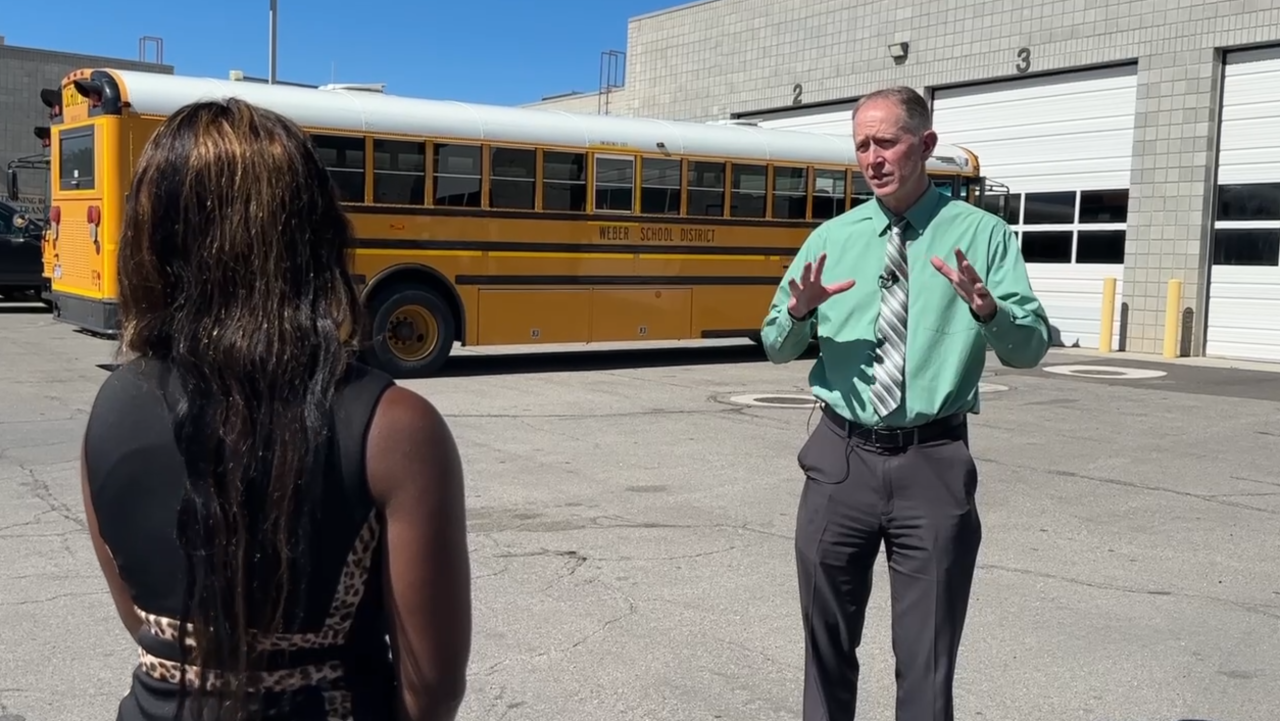
Big is an understatement.
“When prices went way up at the end of the school year, we were looking at almost $100,000 a month in addition to what our normal costs were," says Findlay. "Looking at last year compared to this year, our overall costs are up about 30%, about $32,000 a month.”
WATCH | How high diesel prices are impacting school districts, public transit
Findlay says as fuel costs rise, the district’s budget does not.
“It’s hard to budget because you can’t really predict what fuel costs will be. You end up moving finances around to be able to cover that, so you’re taking money from one area and putting it toward another. Someone’s missing out,” says Findlay.
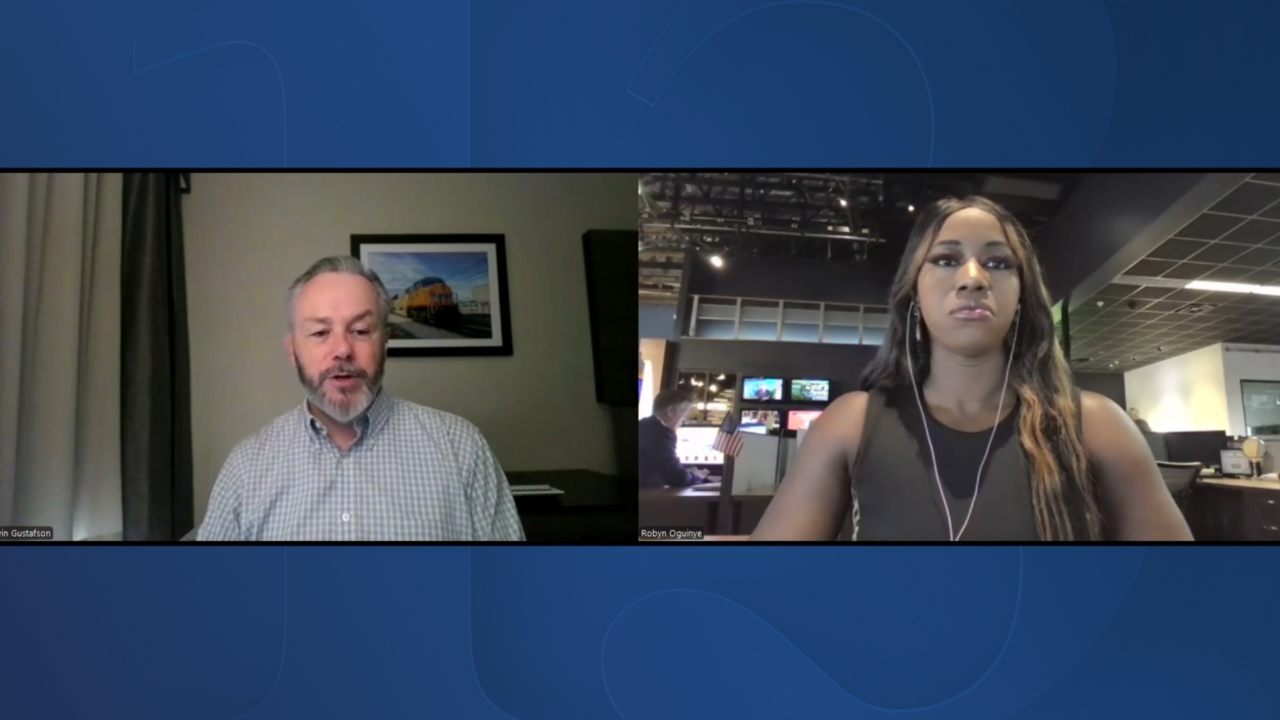
“We buy fuel in large bulk batches, so it’s quite possible that we’re using fuel that we bought six months ago," says Gavin Gustafson with Utah Transit Authority. "Nevertheless, eventually that is going to catch up with us all, so the pinch is coming one way or the other.”
It’s a bit of a different story for other big vehicles like UTA’s buses.
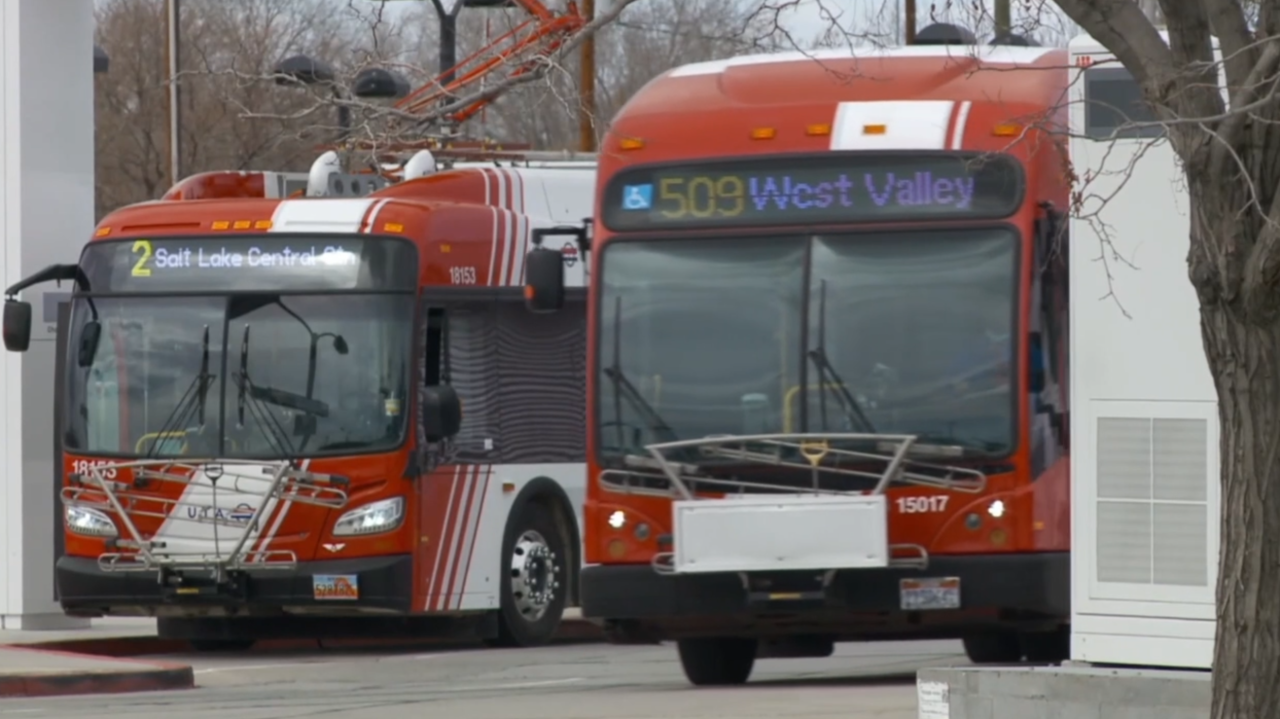
They keep their fuel on-hand and forecast in advance for fluctuations in the market to avoid upping fares for riders.
“If fuel prices really stayed at this level six months from now, a year from now, that would drastically change our forecasting that could in theory have an effect on our service and what we can and can’t provide," says Gustafson. "But for the immediate future and even looking ahead six months to a year from now, there are no anticipated changes or reduction in service.”
Though there’s no real way around the price of fuel for school districts, Weber says they are working to find ways to save.
Instead of using convenience store gas stations their drivers fill up at state stations.
“The finance office has also asked that if you’re out refueling a district vehicle that you use regular unleaded, you don’t use the high octane unless that vehicle requires it. Just trying to save money here and there and every little bit helps,” says Findlay.
Every little bit to help every little student get to school.
“Hopefully, we’ll see some relief in the future," Findlay said.