

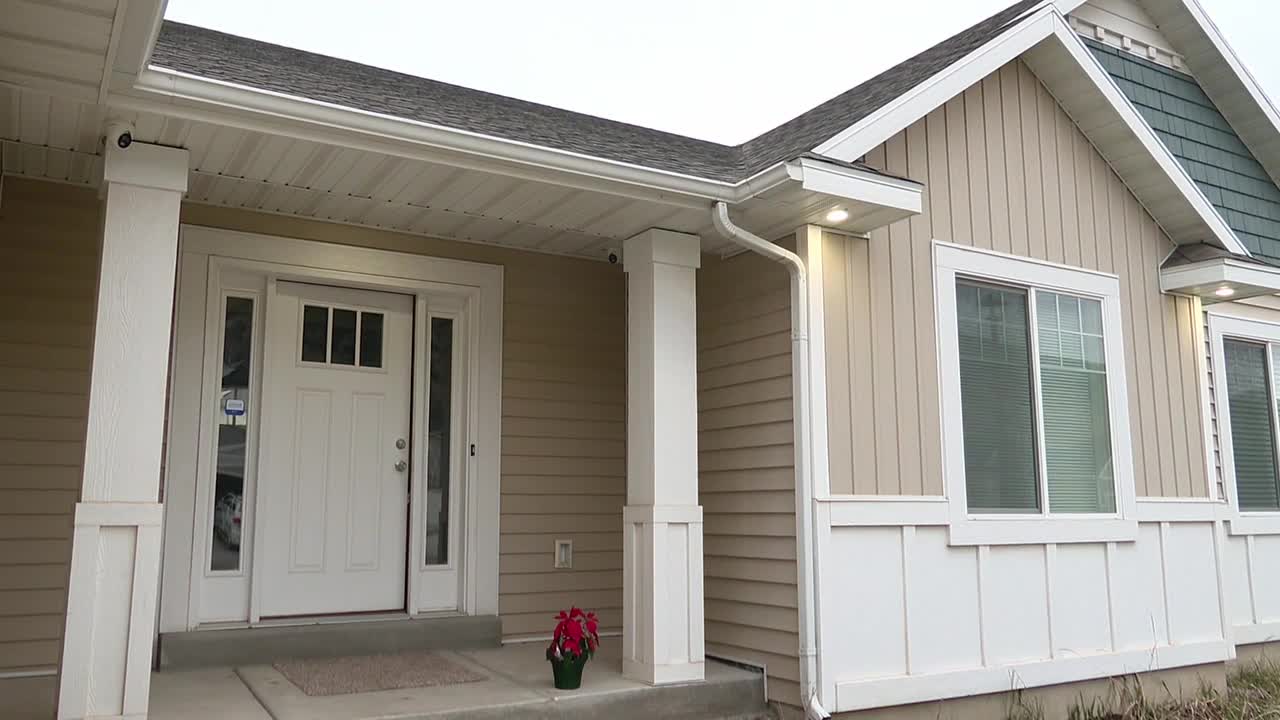


PROVIDENCE, Utah — A residential treatment facility for substance abuse recovery and mental health in Cache County had to move after litigation from neighbors.
While the owner is worried this could lead to hurdles for other residential treatment centers in the future, neighbors told FOX 13 News that they were just trying to enforce the code.
"It’s a scary dynamic in little Cache Valley. A lot of people don’t see it,” explained Jay Hymas, the CEO of Clear Recovery of Cache Valley and a recovering addict. "I’ve talked to many people in Cache Valley who don’t really understand the drug problem
For the past 10 years, Clear Recovery of Cache Valley has been helping people. A few months ago, they opened a residential treatment facility at a home in a neighborhood in Providence, but it faced pushback and had to close.
"I went into the group on Friday morning, and I told them and they just wept," Hymas said. "It makes me want to cry right now just remembering the sound of that room when I told them that we had to move... One of the first comments was, 'So, we're evicted?'"
A judge issued a preliminary injunction to stop services after a group of neighbors filed a lawsuit against the program, saying the house has a CC&R document (Covenants, Conditions and Restrictions) put in by the developer, basically saying what the property can and can't be used for.
The attorney representing the neighbors, Kiel Berry, shared in a statement the guidelines for this home, which read “[n]o lot shall be used except for residential purposes.” Berry also said that before the center opened, the residents let Hymas know about enforcing the CC&R placed on other homes in the subdivision as well. He said that since the facility opened, they pursued legal action.
Hymas said they got a business license approved by Providence City. But he said that without a path forward for reasonable accommodations for people with disabilities, the city went through a zoning variance process with the neighbors. The neighbors wanted the home to be used for residential purposes and to not allow more than four people who are not related to each other live there.
Hymas said they got a Department of Health and Human Services license, and the fire marshal visited, too.
“We had all the approvals, everything was go,” he said.
Hymas said he thought getting permits and accommodations under the Fair Housing Act and the Americans with Disabilities Act would override the zoning restrictions, and since this home would also be for residential use, that would be accepted.
"Which should pre-empt all the CC&Rs and zoning laws, with protections for people with disabilities,” Hymas said.
In the plaintiffs' statement, Berry also said: "The residents have no issue with the what or who of the property owner’s business— only the where. The residents’ desire is simply to preserve the residential character of the neighborhood as guaranteed by the limitations in place since the subdivision was founded."
Hymas moved the clients to a new house in Logan to continue treatment there. He said there are still legal steps to see if they can come back to this house or not. He said he hopes to prevent other residential recovery centers from being at risk because of zoning hurdles.
"The impact on residents is huge. The impact on me has been huge. The impact on this community — it just really rocks the community to have something like this where selective enforcement comes to play,” Hymas said.
