



SALT LAKE CITY, Utah — Utahns who need documents authenticated for use in another country will soon have a new option that could eliminate a trip to the State Capitol.
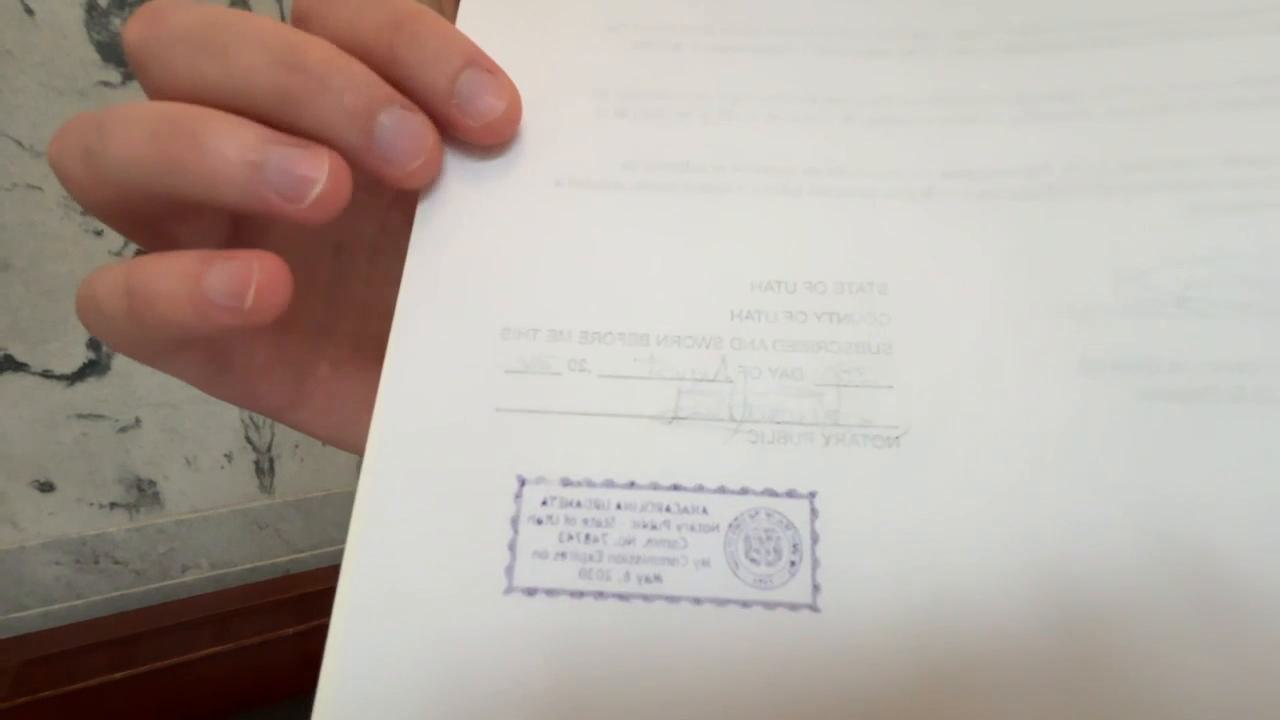
Beginning Thursday, Utah will allow eligible documents to be submitted electronically and returned with a digital apostille, creating what state officials say is the nation’s first fully digital apostille process.
An apostille is an internationally recognized certification that verifies the authenticity of a public document so it can be accepted in another country. Utahns use them for purposes including missionary service, marriage, adoption, education and international business.
For Dakota Harward, the process is personal.
Harward is returning to Guatemala next week, where his fiancée lives. Before leaving Utah, he came to the Capitol to have an employment verification letter authenticated for use there.
“I can either wait without her here or I can go down there and be with her,” Harward said.
Getting the paperwork completed, however, has not always been simple.
Harward said appointments can be difficult to secure, particularly for people who need a document quickly.
“You just can’t get an appointment unless you’re already there on the website at 10:01,” he said. “It’s like buying Taylor Swift tickets.”
The demand for apostilles and other authentications has increased sharply in Utah.
Lt. Gov. Deidre Henderson said her office handled about 18,000 apostilles and authentications in fiscal year 2020. That number climbed to more than 45,000 in fiscal year 2026 — an increase of about 250%.
The new system is intended to give those customers another way to complete the process.
“This digital service really will provide a seamless transaction, something that is convenient, that’s secure and just one more way for people to get served,” Henderson said.
Utah already allows customers to receive some apostille certificates digitally. Beginning Sept. 3, eligible documents can also be submitted electronically, allowing the process to be completed without bringing paperwork to the Capitol or sending it through the mail.
The digital service comes at an additional cost to the customer. Henderson said the state continues to collect its regular $5 apostille fee, while the additional digital service is paid for by the customer. That total comes out to $75.00.
She said the option is intended to give Utahns a choice between the cost of the digital service and the time and expense involved in traveling to Salt Lake City or mailing documents.
Not everyone is immediately sold on going digital.
Harward said he has encountered strict paperwork requirements while dealing with authorities overseas and wondered whether digital apostilles would be accepted everywhere they are needed.
“I think I would worry about these other countries like Guatemala that may not accept a digital apostille,” he said.
Utah officials said the state tested the technology by issuing more than 1,200 digital apostilles during an international pilot program and reported a 100% acceptance rate.
Harward said the digital option could become more appealing once he is outside the country.
“If I’m out of the country and I need something apostilled, that would be a great option because I’m not here to organize it all,” he said.
Utah partnered with government technology company @Gov to implement the system. State officials said the platform reduces processing time by approximately 80%.
Traditional apostille services will remain available for customers who prefer paper documents or whose documents are not eligible for the digital process.