

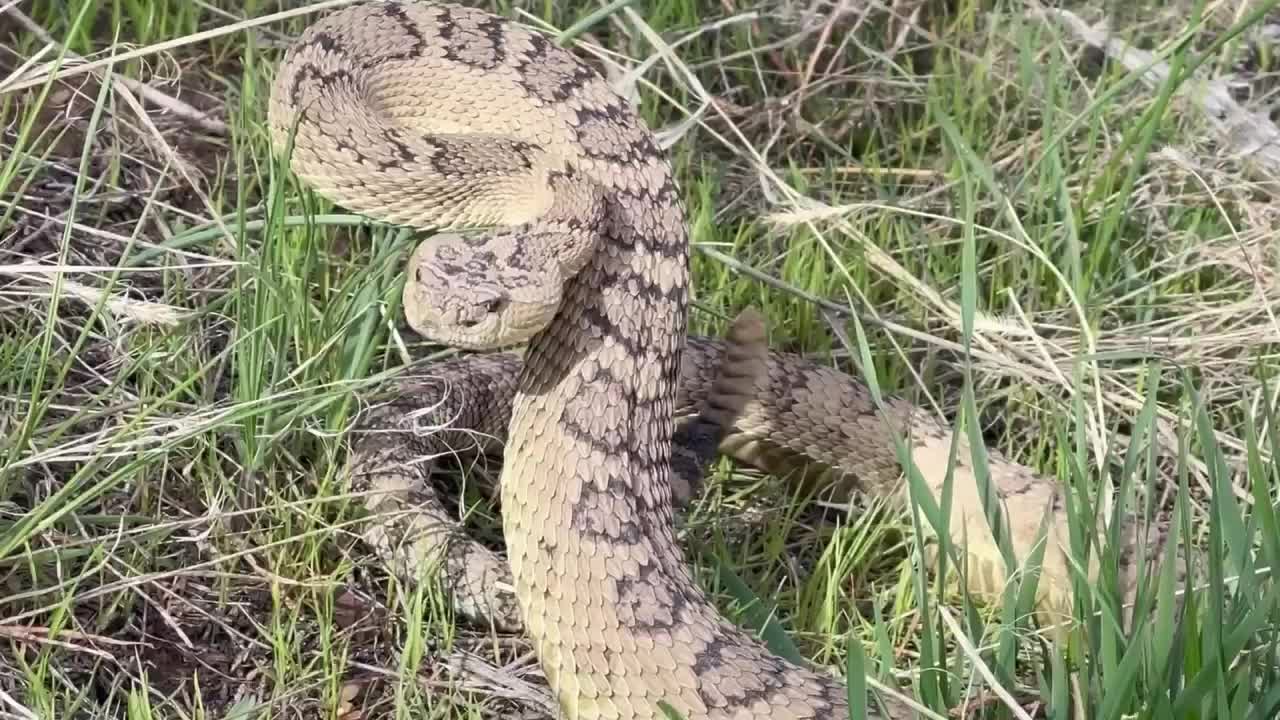


SALT LAKE CITY — Although they may be a bit scary to some, native snakes are an important part of Utah’s ecosystem. They help reduce the spread of disease by rodents.
Now that the weather is warming up, some of those snakes are coming out of their dens.
For runners and hikers in Salt Lake City’s foothills, it’s all about being aware of your surroundings.
“I’ve seen them on almost every single trail that we’ve talked about. So if you keep your eye out, what you really need to do is keep your ear open,” one hiker, Eric Dehaan said.
There are five different species of rattlesnakes in Utah. The most common is the Great Basin Rattlesnake.
Alyssa Hoekstra, the Native Herpetology Coordinator with the Utah Division of Wildlife Resources said if you see a rattlesnake, keep a safe distance of about 10 feet away.
“If you’re worried about it being in your backyard or in your yard, if you have rocks or brush pile, or wood piles, those are attractants for snakes to hide,” Hoekstra added.
She said it’s especially important to look out for shrub areas or rocks. If you don’t pay attention to where you put your hands and feet, you’re going to increase your chances of being bit.
During a drought, she said you’d expect the snakes to hunker down, but they could also be out more looking for food and water. So as people hit the trails, it’s important to stay vigilant especially late spring and early summer.
“Running around here comes with trials and tribulations of one, needing to catch your breath but looking out for rattlesnakes on the trail and making sure you don’t get bit. That would be really scary. Thankfully the U is right there if you need it,” a runner in the Salt Lake area, Montana Goodrich said.
Rattlesnakes are protected and it’s illegal to harass or kill them.
If you do get bit DWR said do not attempt to suck the venom from the wound, don’t apply heat, cold or a tourniquet, and instead remain calm and go to the nearest hospital.
For more information on rattlesnakes, you can check out the DWR website.