

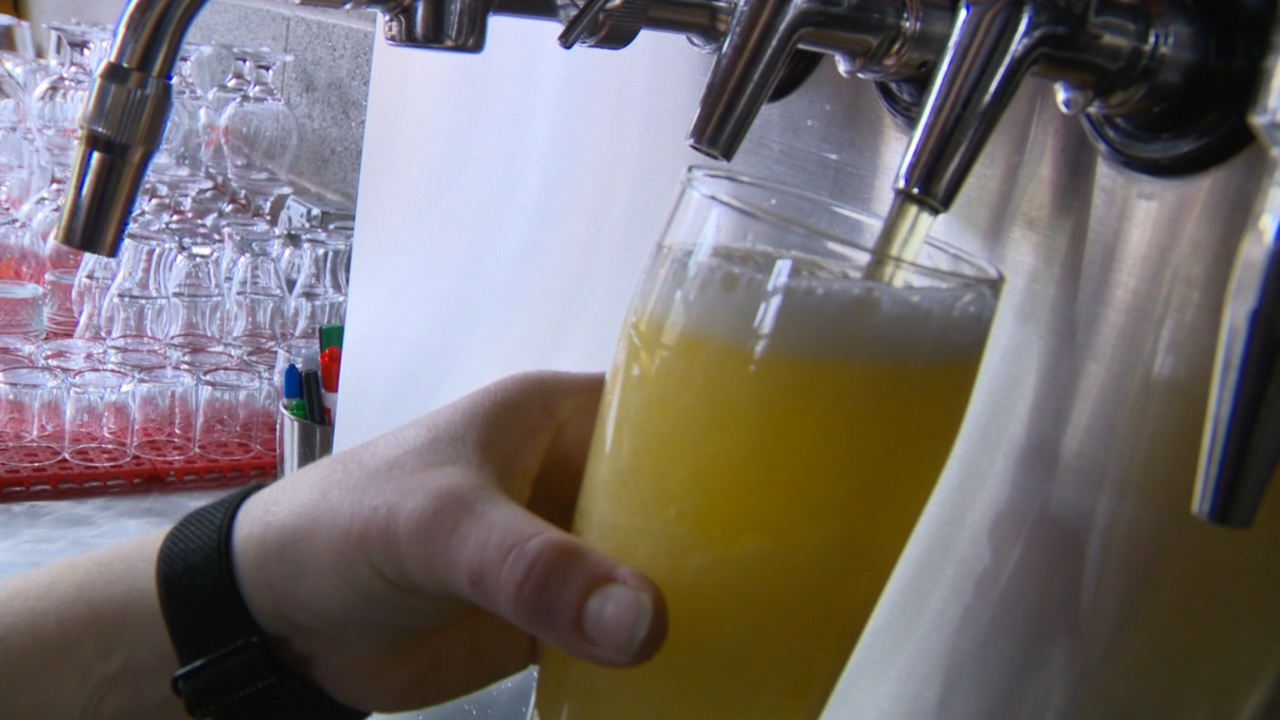


SALT LAKE CITY — Utah’s craft brewers, according to Utah Brewers Guild executive director Stephanie Biesecker, dread January.
“It hurts,” said Biesecker.
In recent years, imbibers compensate for holiday intakes – or just start the year healthier – by abstaining during a so-called Dry January.
“It’s incredibly difficult for us to lose that patronage so much in one month,” Biesecker said, noting it would be better for her industry if people paced their abstinence over 12 months.
Yes, microbreweries have food and non-alcoholic products for people not wanting to imbibe, but Biesecker points out many people practicing Dry January try to avoid places with booze.
This January arrives at a difficult time for the craft brewing industry. The Brewers Association, which advocates for microbrewers nationwide, noted 434 brewery closures in 2025 – the second consecutive year closures outpaced opening. One Utah brewery, Policy Kings, closed in September. For brewers, costs are increasing as consumption declines. Americans are drinking less.
In Utah, the Department of Alcoholic Beverage Services has recorded sales declines in each of the last two fiscal years.
Meanwhile, the costs of grains to brew the beer and the glass or aluminum to bottle or can the beer is increasing, Biesecker said. She said tariffs and other political pressures are factors in those extra costs.
“Those are things that we depend on,” Biesecker said, “and you just can’t get them in mass quantities in the United States.”
Even the big brewers are getting bitter beer face. Anheuser-Busch announced in December that it was selling one of its breweries and closing two others.
The news is better at Fisher Brewing Co. Brewer and co-owner Colby Frazier said 2025 was a good year, in part because Fisher now sells beer in local stores.
“We have long-term contracts for a lot of our raw materials,” Frazier said. “And hopefully, we just stay busy and people just keep drinking beer.”
The Utah Brewers Guild still lists about 60 beer and cider makers. Frazier believes the Utah market may not be as saturated as those in other parts of the country.
Frazier and Biesecker say a change in Utah law would help.
Utah breweries can’t serve beer from the tap that’s stronger than 5% alcohol – even if they brew it on site. Those brews have to be bottled or canned, sold to customers and then opened.
“Even if we’re making it in the same building,” Biesecker said, “we bring it to the other end of the building and we open it up and throw away the package.
“So, it’s a lot of waste and a lot of money that just sort of goes down the drain. We could save it if we could serve our beer on draft.”
“Fresh beer is better beer,” Frazier said, “and local beer is the best beer.”
