



SALT LAKE CITY — Utah higher education leaders approved a new regional framework Thursday meant to make the state’s public colleges and universities work more closely together.
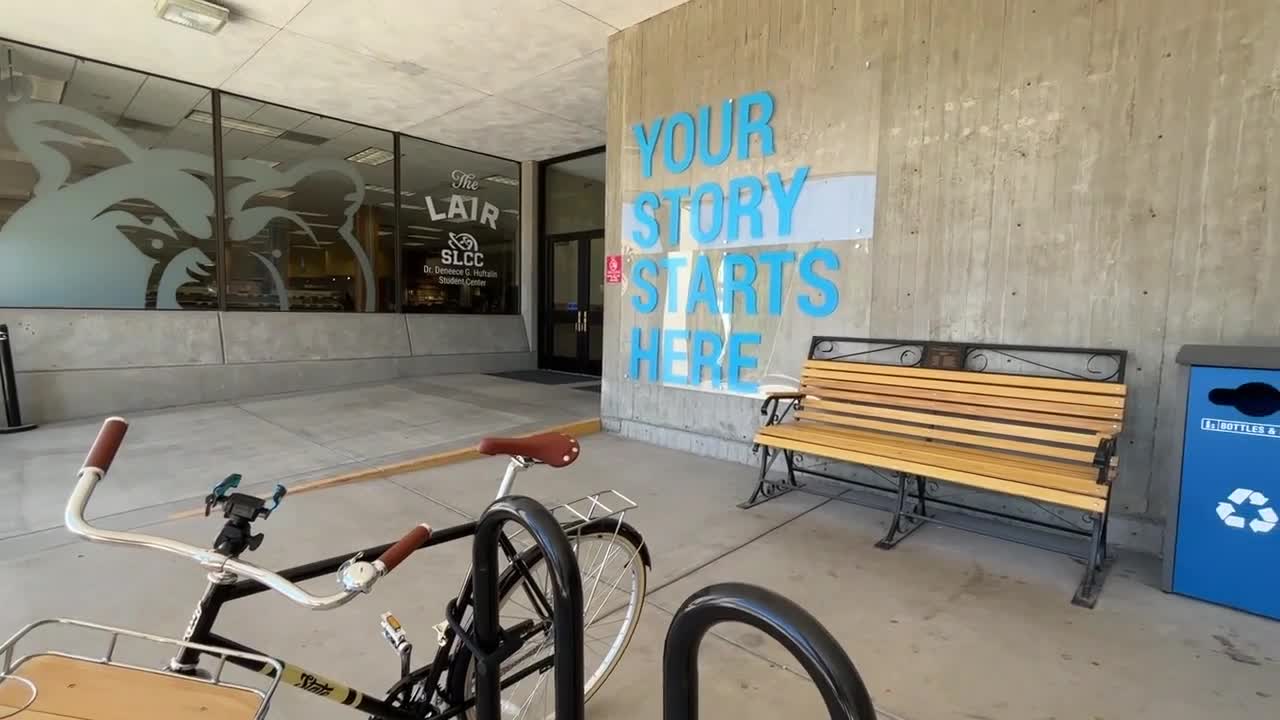
For students at Salt Lake Community College, one of the biggest local changes could be a closer connection with the University of Utah.
Under the plan approved by the Utah Board of Higher Education, SLCC and the university would be part of the same Wasatch Central Region. State leaders said the goal is to improve transfer pathways, reduce lost credits, and make it easier for students to move from one institution to another.
The framework reaches beyond Salt Lake County. It divides Utah’s public higher education system into five regions, pairing universities, community colleges, and technical colleges across the state. The goal is to build stronger pathways between schools, expand access in rural communities and reduce duplication in programs and services.
SLCC student PJ Tripp said transferring to the University of Utah is already on her mind during her first semester.
“It hasn’t been that easy of a process,” Tripp said. “In terms of knowing what credits I have to take, it’s been pretty difficult.”
Commissioner of Higher Education Geoffrey Landward told the board the framework is meant to create a more connected system statewide.
“First, we want to increase student mobility and transfer efficiency,” Landward explained.
The plan does not merge schools. Instead, it organizes institutions into regional hubs and encourages them to work more closely on advising, joint programs and clearer degree pathways.
For students, the hope is fewer lost credits, fewer classes to retake and less money spent on courses that do not move them closer to a degree.
Esmeralda Galvan said she also hopes to transfer from SLCC, but did not have a clear plan when she first started college.
“I wasn’t sure what to do, so now I’m kind of behind, but I’m getting there,” Galvan said.
According to state officials, the framework alone will not solve the more complicated parts of higher education alignment, including joint degrees, dual admissions and determining which credits count toward specific programs.
“This organizational structure is not intended to solve those problems on its own,” Landward said. “So this is just a framework. The real work now begins.”
The board’s approval starts the process of turning the regional plan into more detailed partnerships between schools.
For students at SLCC, the test will be whether the new framework creates a clearer path from community college to a four-year degree.