

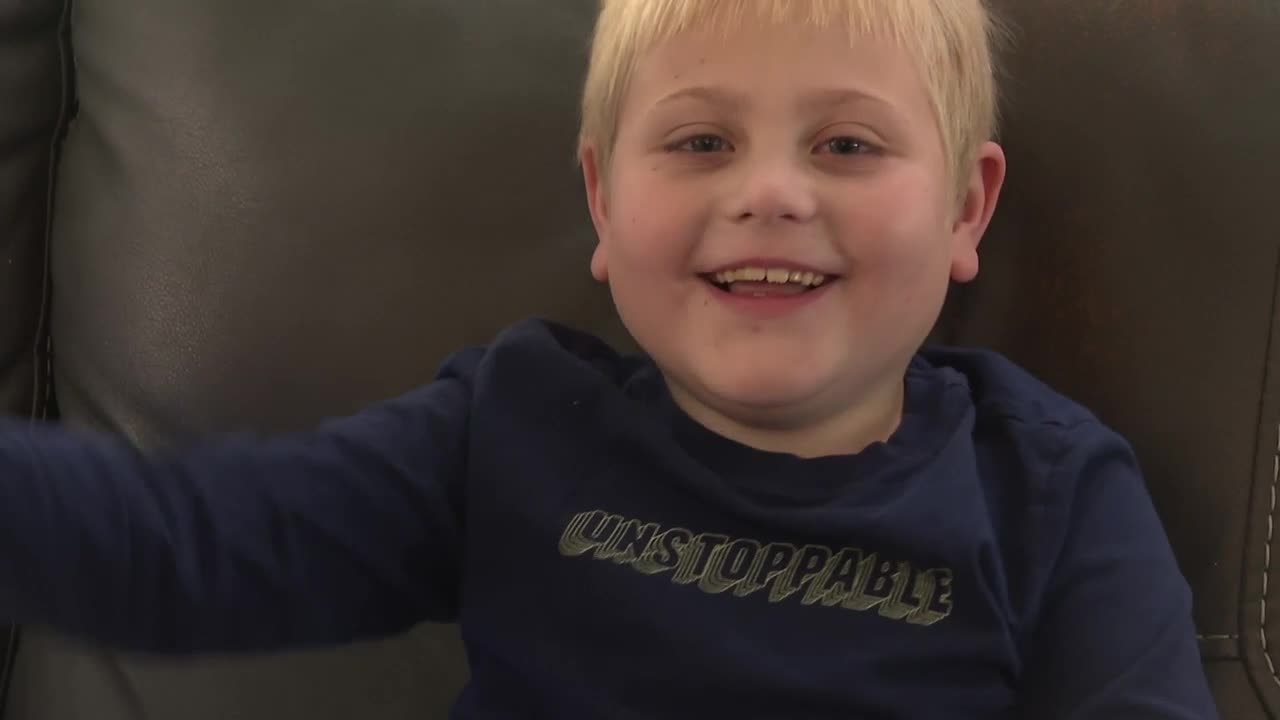


SOUTH JORDAN, Utah — Mornings at Ashley Christenson’s home revolve around her two kids — 11-year-old Carlie and 8-year-old Caiden.
About 18 months old, Caiden stopped talking, and a speech pathologist urged Ashley to get him tested for autism.
“I was in denial for a minute… really? As he’s spinning stuff and won’t respond to his name," Ashley explained.
Christenson reached out to Primary Children’s Hospital and the University of Utah, with both telling her it could take up to two years to get her son evaluated.
“It was frustrating because they say early intervention is the best thing… yet it takes two years to get a diagnosis,” said Christenson.
Not willing to wait, Ashley turned to a private provider and got answers in just a few months, but the school required its own evaluation.
Federal law requires that schools evaluate children for special education services, a process that can take 45 days.
“A delay in diagnosis can mean kids don’t get the services they need during those early years, and it can take longer for them to catch up with their peers," explained Dr. Marina Capella, Founder, Healing Arts Pediatrics.
Capella added that the first three years are critical for language, social and motor development.
For Ashley, the delays meant learning to adjust — not to the system, but to a different path forward.
“When you have a child with autism, you have to chill. You have to let stuff go and be like, it’s fine,” she said.
Her experience with Caiden inspired Ashley to write a book, helping other families better understand autism.
“Once you get through that grieving process and accept your child for who they are… it’s pretty great," she shared. "It’s pretty wonderful.”
