



WASHINGTON COUNTY, Utah — The construction of a controversial new highway in southern Utah has been approved by the federal government.
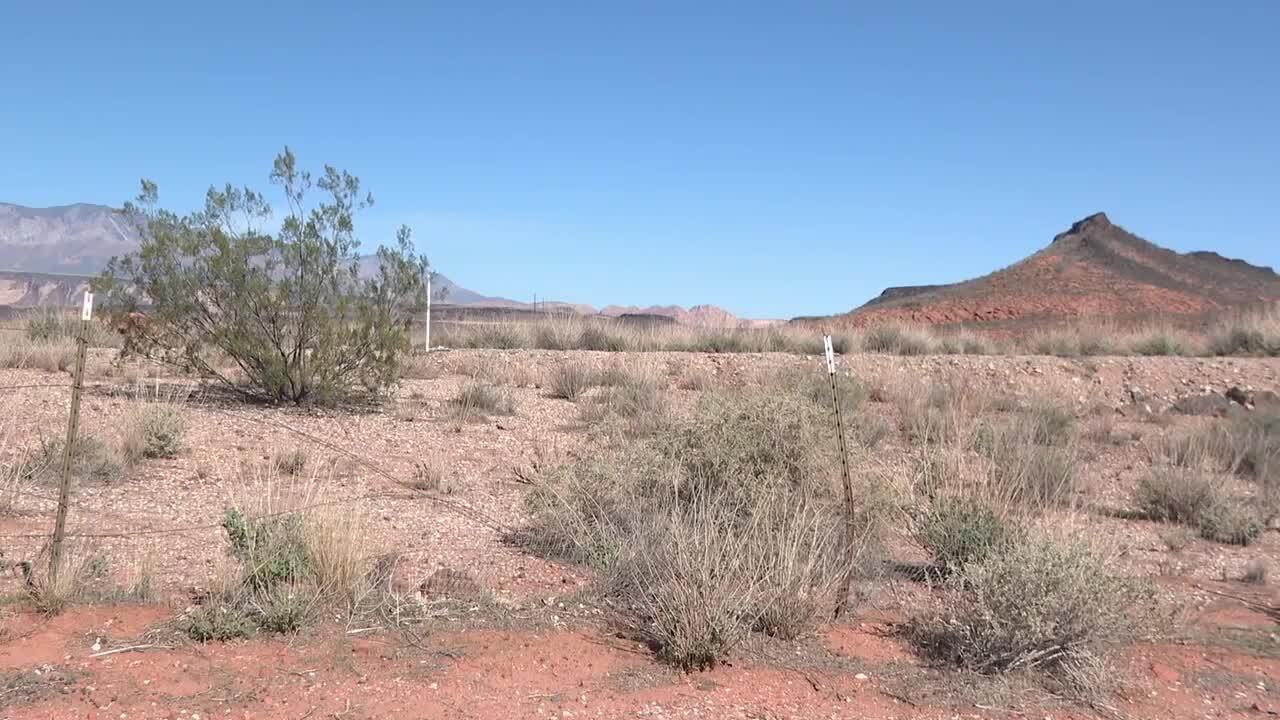
The Northern Corridor debate has divided southern Utah communities for nearly two decades. The proposed four-lane highway — connecting Red Hills Parkway on the west to Washington Parkway on the east — would cut through part of the Red Cliffs National Conservation Area, including protected desert tortoise habitat.
On Wednesday, the Bureau of Land Management announced that it approved the plan to build the highway. They also said a previously approved alternate plan to instead upgrade the Red Hills Parkway has been scrapped; the Utah Department of Transportation determined that it "would not be technically or economically feasible."
Officials in Washington County applauded the decision. They said it will allow traffic between the Ivins/Santa Clara areas and the Washington/Hurricane areas to bypass downtown St. George. The county also said the plan involved traffic engineers and wildlife biologists to figure out the best logistical option while also "minimizing environmental impact."
The county also said the decision includes adding environmental protections for nearly 7,000 acres, known as Zone 6. It includes the "Bear Claw Poppy" and "Zen" mountain bike trails, along with Moe's Valley Climbing Area.
WATCH: St. George climbers rally to save Moe's Valley from development
“While the corridor will require us to relocate 30-40 desert tortoises, the addition of Zone 6 to the Reserve protects more than 900 tortoises, making this a remarkable win for the tortoise and wildlife conservation overall," said Cameron Rognan, the administrator of the Washington County Tortoise Habitat Conservation Plan.
St. George Mayor Jimmie Hughes also supports the decision, calling it a "win-win."
However, the nonprofit Conserve Southwest Utah called the decision "deeply disappointing." They say the highway will "damage iconic red rock landscapes, disrupt treasured outdoor recreation opportunities, and set a dangerous precedent for Congressionally-protected public lands."
Conserve Southwest Utah accuses the BLM of going against its own scientific findings, citing the agency's environmental impact statement.
The highway was first proposed in 2006. The Red Cliffs National Conservation Area was established three years later in the same area. The first Trump administration approved the project in its final month, but the Biden administration reversed that decision after a lawsuit by Conserve Southwest Utah.
Additional details and data on the project can be found on the BLM's website HERE.