

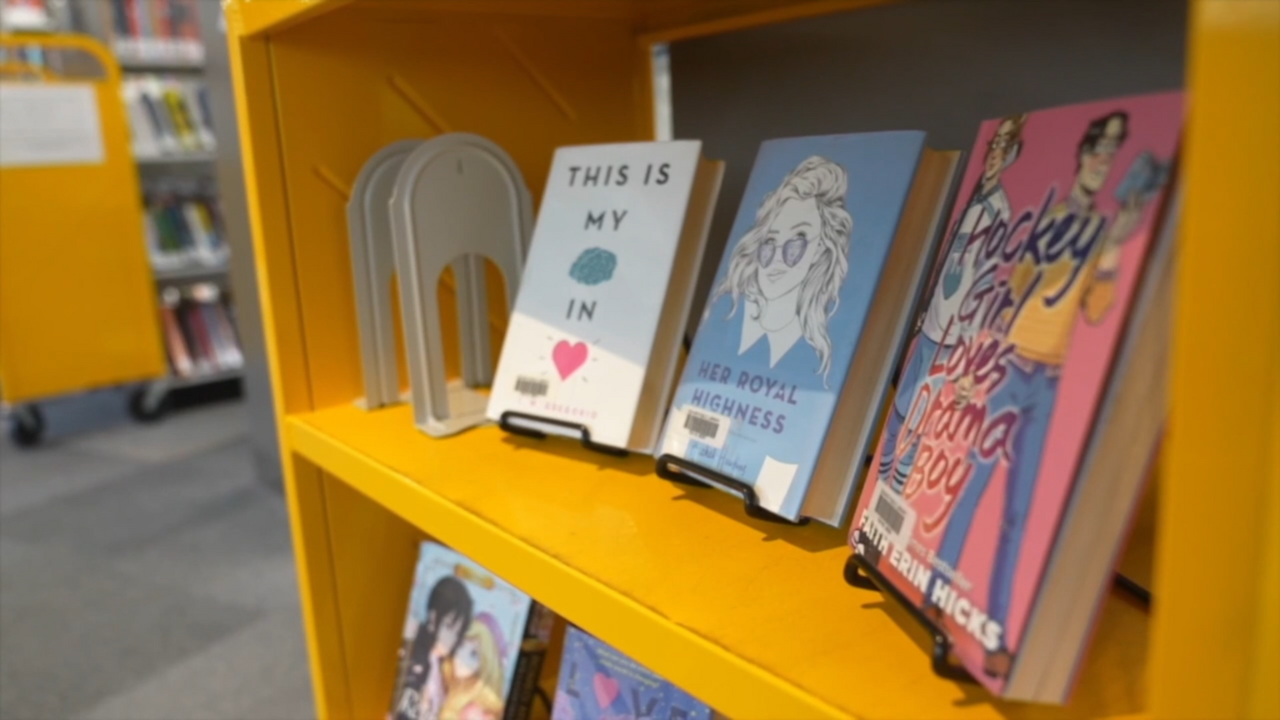


SALT LAKE CITY — Utah lawmakers are looking at making changes to how “sensitive materials” are designated and handled in schools.
House Bill 197 sponsored by Rep. Nicholeen Peck, R-Tooele, focuses on digital materials and online databases, and tries to take a proactive approach to what students are reading, before needing to pull them off shelves.
"Making sure that all school materials are vetted ahead of time, so that they are proactively selected, as opposed to schools just receiving materials and then going, do we want this or not?” said Peck. "This bill is all about putting the people that are at the schools, the teachers, the administrators, the LEA's, the librarians in the driver’s seat on selection of school materials."
"I don’t think this bill will help anything, I think it is a solution looking for a problem,” said Rebekah Cummings, co-founder of ‘Let Utah Read.’ She said we already have robust safeguards in place to keep the right content in front of kids, and this could have other implications.
"I think we've seen that with a lot of these bills, that there’s the overreach, and over compliance because people are so afraid of running afoul of the law,” said Cummings.
Rep. Peck said the guidelines in the bill mirror recommendations from a 2025 state audit. The bill is still being worked on, with changes expected to be made in the next few days.
Corinne Johnson, president of Utah Parents United, said they just want to see audit recommendations followed in the bill. "Parents can’t be there with their kids in a school library, so we're relying on the school to keep our children safe and ensure the reading materials are appropriate,” said Johnson.
Peck said the bill restricts how digital databases for content are handled, with more responsibility on the vendors to provide the right material and remove those that have been marked as violating standards.
She also had a provision to letting schools use AI to compare contents with state code and see if the material is allowed.
"There’s free tools out there, let’s use a free tool to help the teachers, it shouldn’t have to cost the state any more money and there’s quicker ways now with AI, there’s quicker ways we can do this,” Peck said.
The bill, in its current state, also requires some books to be academically rigorous.
"There will absolutely be fun books in the school, there’s no mandates about who can be the authors, who can’t be, what types of books, none of those things,” said Peck. “There just has to be rigor in there somewhere."
"There’s going to be some serious gaps in their K-12 experience,” said Cummings. “Right now, if this bill passes, it would not support our current literacy initiatives, it wouldn’t support rigorous academic research."
The bill is scheduled to be in the House Education Committee next week.
