

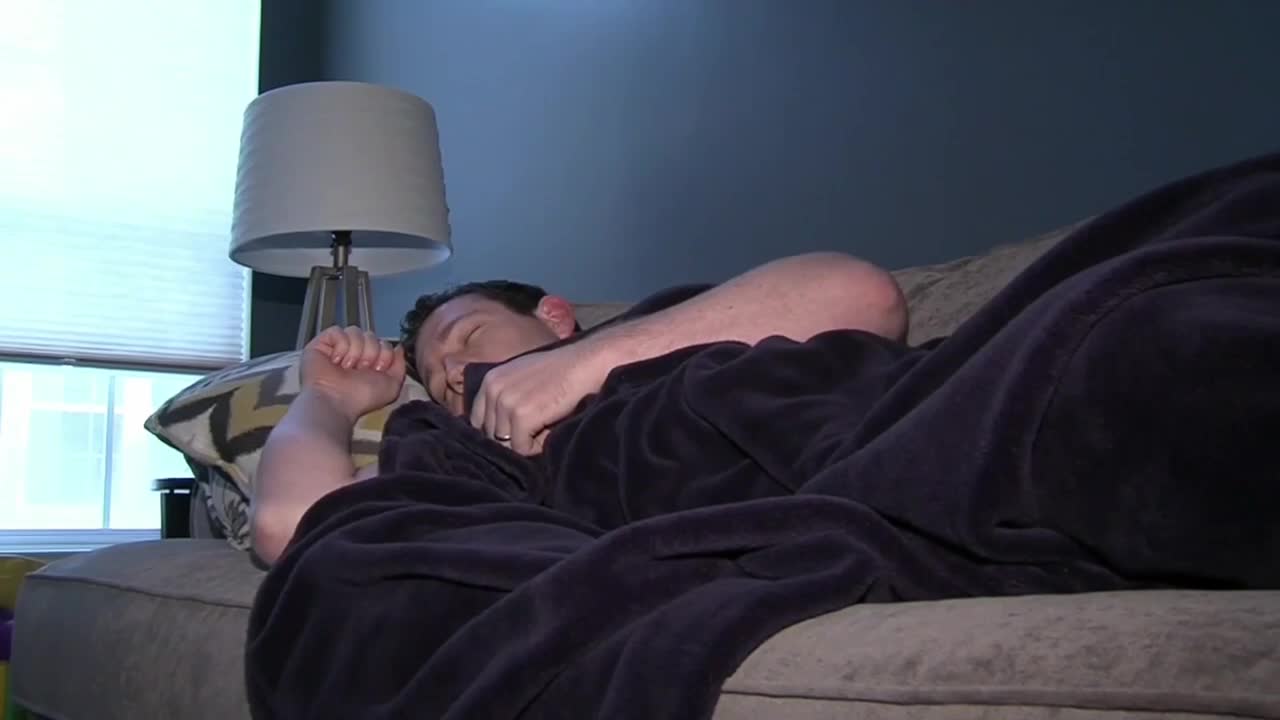


SALT LAKE CITY — The start of daylight saving time coincides with Sleep Awareness Week this year, and the effects of losing an hour of sleep go far beyond feeling groggy in the morning. Sleep deprivation can have serious — and even deadly — consequences on the road.
Kelly Baron, a professor at the University of Utah and director of the Behavioral Sleep Medicine Clinic, said roughly a third of the population already sleeps less than the recommended 7 hours per night. She said the sleep debt becomes especially pronounced around the time change.
"The number one thing is that people don't get enough sleep. And they don't make sleep a priority," Baron said.
Baron said the body cannot simply adjust to the time change overnight. "You can't just reset your sleep like a clock. It takes a few days, and falling asleep an hour earlier isn't; it is generally not something that people can do instantaneously," Baron said.
She said the consequences of that lost sleep show up quickly. "The consequences are, are seen immediately in terms of increased risk of heart attacks, you know, car accidents," Baron said.
Data from Zero Fatalities supports that trend. In 2025, there were 1,105 crashes statewide in the week following daylight saving time. Four of those crashes were fatal. The top contributing factor was aggressive driving, and the primary demographic involved was teens.
Jason Mettmann, communications manager for the Utah Highway Safety Office and Zero Fatalities, said the data points to a clear pattern among younger drivers.
"What that says to us is that those teens are maybe having a hard time getting out of bed in the morning to begin with, and then we add this time change on top of it, and they are much higher risk of getting into a crash," Mettmann said.
Mettmann said the combination of lost sleep and driving in the dark creates dangerous conditions for all drivers. "Losing an hour of sleep and driving in the dark, it impacts our focus. That data points to us is that folks are either not alert, or distracted, or just simply not slept enough or well rested, and ready for that task of driving," Mettmann said.
Baron said the effects of the time change are not simply a matter of willpower — they are biological. "Morning light is important for synchronizing our biological rhythm. That morning light helps wake us up in the morning, but it also kind of sets our rhythm for the day," Baron said.
She said the human body is naturally better suited to adjusting in one direction than the other.
"It's easier for us to stay up later than it is to get up earlier and kind of taking that back to the time changes that it's always easy, easier for us to travel west or to have the fall back versus the spring forward or travel east," Baron said.
To help your body adjust and stay safe, experts recommend winding down earlier in the evening, taking a 20-minute nap if needed, and never getting behind the wheel while feeling drowsy. Pedestrians can also help by making themselves more visible to drivers — wearing reflective gear or attaching a light to their clothing or backpack.
This story was reported on-air by a journalist and has been converted to this platform with the assistance of AI. Our editorial team verifies all reporting on all platforms for fairness and accuracy.

DRIVEN TO CHANGE
