

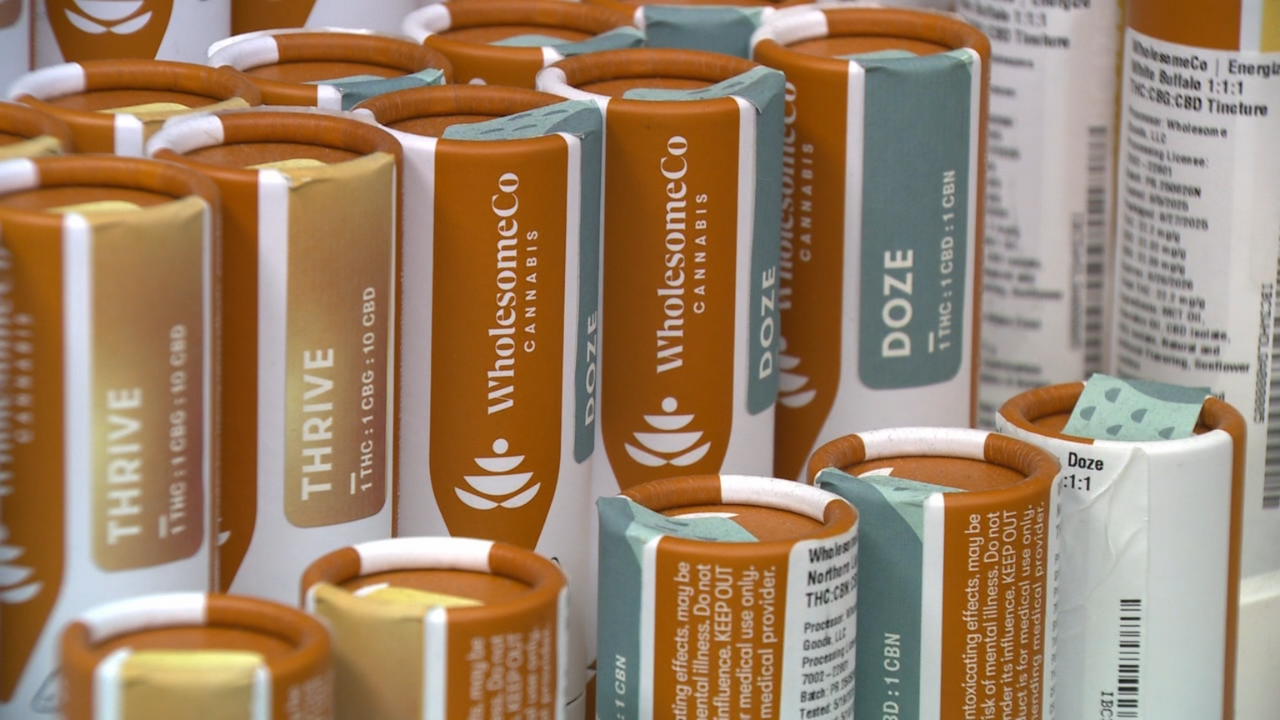


SALT LAKE CITY — Officials and local businesses feel optimistic for future after President Donald Trump signed an executive order to expedite marijuana reclassification. The order to reclassify marijuana from a Schedule I to Schedule III narcotic is the biggest federal policy change regarding cannabis in decades.
For Salt Lake County District Attorney Sim Gill, it was a move that comes better late than never.
“Think about marijuana as a Schedule I drug and think about fentanyl as a Schedule II, in spite of all the loss of life that we’ve had," he said.
For decades, marijuana had been lumped in with heavy drugs like LSD and heroin, which made it impossible for scientists to do legal research in the US.
The reclassification will change that.
But Gill says it will not change marijuana’s criminal classification in Utah.
“A simple possession of marijuana still is a Class B misdemeanor, and it will remain that way until we get direction from our legislators to do otherwise," he explained.
Utah medical community reacts to marijuana reclassification:
For Midvale farmer and herbal medicine store owner Steve Murdock, those effects on the hemp industry are less certain. Murdock opened his business, Farmer and Chemist, six years ago and keeps a strong customer base.
Murdock's products are completely legal and extremely low in THC as they’re designed to help with sleep, pain and anxiety. Murdock is excited that the executive order will allow more cannabis research, but he has some concerns.
“We don’t know how it’s going to affect the hemp industry as opposed to the cannabis industry," he shared, "but we’re encouraged by it because it allows people to be educated about our product."
“It’s a great step for patients all over the country, it’s a great step for research and a great way to consider cannabis as a medicine," added Scott Ericson, CEO of Standard Wellness and The Forest cannabis dispensary in Murray.
For Ericson, getting into the medical marijuana business was personal after his wife contracted terminal cancer six years ago.
“It metastasized in her bones, and cannabis is one of the things, along with her chemotherapy at Huntsman, that keeps her thriving and taking care of five kids," said Ericson. "So it’s a passion project.”
His products have higher levels of THC, and they require a medical referral card. The majority of his customers are law-abiding citizens looking for relief from pain, sleep disorders, or things like PTSD.
"It legitimizes medicine that the Utah Legislature saw five years ago was something that was beneficial to patients, and over 100,000 patients are using on a daily basis," said Ericson.